





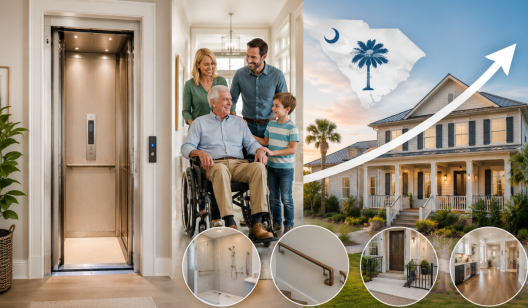
Homebuyers in South Carolina are placing greater importance on accessibility than ever before. As lifestyles change and more homeowners plan for long-term living, accessibility features are no longer viewed as optional upgrades—they are becoming valuable selling points that significantly increase property appeal and market value.
From modern homes in Columbia to luxury coastal properties in Charleston and retirement-friendly communities in Hilton Head Island, accessible home design is shaping the future of real estate across South Carolina.
Features such as residential elevators, wider doorways, smart home technology, and mobility solutions are not only improving quality of life but also helping homes stand out in competitive housing markets.
Growing Demand for Aging in Place
One of the biggest reasons accessibility features are increasing home values is the growing desire for aging in place. Many homeowners want to remain in their homes as they age rather than move into assisted living communities.
Accessibility upgrades allow homeowners to maintain independence while improving safety and convenience. Features such as:
- Residential elevators
- Walk-in showers
- Wider hallways and doorways
- Non-slip flooring
make homes more adaptable to changing mobility needs.
As South Carolina continues to attract retirees and long-term residents, homes designed for accessibility are becoming increasingly desirable.
Expanding the Buyer Pool
Homes with accessibility features appeal to a broader range of buyers. While traditional homes may primarily attract younger buyers, accessible homes are attractive to:
- Seniors
- Multi-generational families
- Buyers with mobility limitations
- Families planning for the future
This expanded buyer pool often results in higher demand and stronger resale potential.
In competitive real estate markets, properties that accommodate a variety of lifestyles tend to sell faster and at higher prices.
Increased Demand in Coastal and Luxury Markets
South Carolina’s coastal real estate market has experienced significant growth in recent years. Multi-story homes are common in beachfront areas due to flood zone construction requirements, making accessibility an important consideration.
Luxury buyers increasingly expect homes to include features that combine comfort and practicality. Residential elevators, accessible entrances, and smart mobility systems are becoming standard amenities in upscale properties.
These features not only improve functionality but also enhance the overall luxury appeal of the home.
Accessibility as a Long-Term Investment
Accessibility upgrades are often viewed as long-term investments rather than simple renovations. Homeowners understand that adding these features now can help avoid expensive modifications later.
For example, installing a residential elevator during construction is generally more cost-effective than retrofitting one after mobility challenges arise.
Similarly, adding accessible bathrooms or wider hallways early on can increase the home’s long-term usability while improving resale value.
Improving Safety and Reducing Risks
Safety is another major factor driving the popularity of accessibility features. Falls and mobility-related injuries are common concerns, especially in multi-story homes.
Features that improve safety include
- Handrails and grab bars
- Slip-resistant flooring
- Improved lighting
- Residential elevators and mobility systems
Some homeowners also explore alternatives such as a stair lift for homes to improve mobility on staircases. While stair lifts can be effective in certain situations, many buyers see full accessibility upgrades as more valuable and versatile long-term solutions.
By reducing risks and improving ease of movement, accessible homes become more attractive to buyers of all ages.
Smart Home Technology and Accessibility
Modern smart home technology has also contributed to the growing value of accessibility features. Automated systems allow homeowners to control lighting, security, climate, and even mobility systems with minimal effort.
Popular smart accessibility features include
- Voice-controlled lighting
- Smart door locks
- Automated blinds
- Elevator controls integrated with home automation systems
These innovations create a more convenient and user-friendly living environment while increasing the property’s appeal to tech-savvy buyers.
Enhancing Daily Convenience
Accessibility upgrades are not just for individuals with mobility limitations—they also improve daily life for families and homeowners in general.
For example
- Wider doorways make moving furniture easier
- Elevators simplify carrying groceries and laundry
- Accessible layouts improve movement throughout the home
These conveniences add practical value that appeals to a broad audience, making the home more desirable in the marketplace.
Residential Elevators and Property Value
Residential elevators are among the most impactful accessibility upgrades in terms of property value. In multi-story homes, elevators improve convenience, support aging in place, and create a sense of luxury.
As demand for accessible housing grows, homes with elevators often command higher prices and attract more interest from buyers.
Regular residential elevator service also plays an important role in maintaining long-term value. Proper maintenance ensures reliability, safety, and performance, which helps preserve the investment over time.
Multi-Generational Living Trends
Multi-generational living is becoming increasingly common across South Carolina. Families are choosing homes that can comfortably accommodate grandparents, parents, and children under one roof.
Accessibility features make these arrangements more practical by ensuring that all family members can navigate the home safely and comfortably.
This trend has increased demand for homes that offer flexible and inclusive living environments.
Future-Proofing Homes for Changing Needs
Homebuyers today are thinking more strategically about long-term living. Accessibility upgrades help future-proof homes by ensuring they remain functional and adaptable as needs evolve.
Rather than viewing accessibility as a niche concern, many buyers now see it as a smart investment that improves:
- Lifestyle flexibility
- Long-term comfort
- Property marketability
- Overall home functionality
As awareness continues to grow, accessible homes are likely to become even more valuable in the years ahead.
Conclusion
Accessibility features are transforming the South Carolina housing market by increasing home value, improving functionality, and expanding buyer appeal. From residential elevators and smart technology to safer layouts and mobility solutions, these upgrades offer benefits that extend far beyond convenience.
As more homeowners prioritize aging in place, safety, and long-term usability, accessible homes are becoming highly desirable in both suburban and coastal markets. Whether through advanced mobility systems or practical solutions like a stair lift for homes, accessibility improvements help properties stand out in an increasingly competitive market.
Combined with proper upkeep and professional residential elevator service, these features provide lasting value that enhances both everyday living and future resale potential.

