







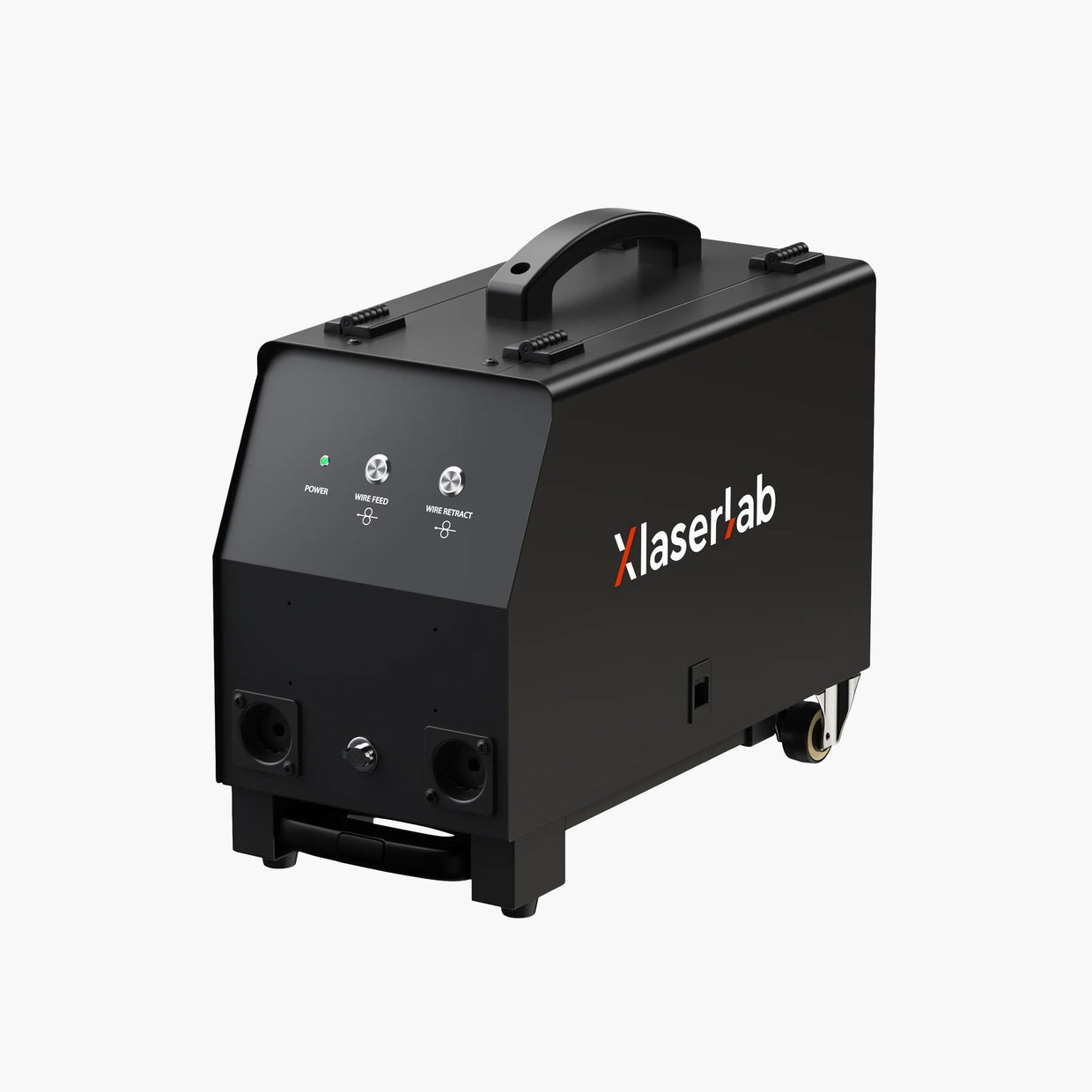
A laser welder is only as capable as the consumables and add-ons paired with it. Nozzles that don’t match your beam profile, worn protective lenses, or a shielding gas hose that keeps kinking will slow production and leave inconsistent seams. For small fabrication shops, jewelry studios, and mobile repair technicians, choosing the correct laser welder accessories is what separates a machine that runs eight predictable hours a day from one that spends most of its time being troubleshot.
This guide walks through the accessory categories that matter most, how to match them to the work you actually do, and the practical steps to keep them performing over time. It focuses on the parts you replace, upgrade, or swap between jobs, so you can build a kit that reflects your material mix rather than a generic bundle. By the end, you will have a working framework to evaluate anything from wire feeders to safety enclosures without over-buying or being caught short.
Start by Mapping Your Welder Accessories to Real Jobs
The first mistake buyers make is shopping by product name rather than by job. Before comparing brands, list the materials you weld, the thicknesses you handle, and how often each job repeats. A shop that mostly repairs stainless kitchen equipment needs different laser welder accessories than a studio joining thin aluminum enclosures for prototypes. Once you have that list, group your accessories into four buckets: consumables, optics, guiding hardware, and safety gear. This structure keeps purchasing decisions traceable and stops the drift toward parts that look useful in a catalog but sit unused on a shelf.

Consumables That Wear Out Predictably
Nozzles, ceramic tips, and copper contact parts degrade with every arc. Track their lifespan the way a machinist tracks tooling: log the hours or piece count between replacements, and note the failure mode when they go. If a nozzle warps rather than pits, the beam alignment or focal distance is likely off, not the part quality. Keeping two to three shift-worths of spares for each welding mode you run avoids emergency orders that stall production.
Filler Wire and Feeding Hardware
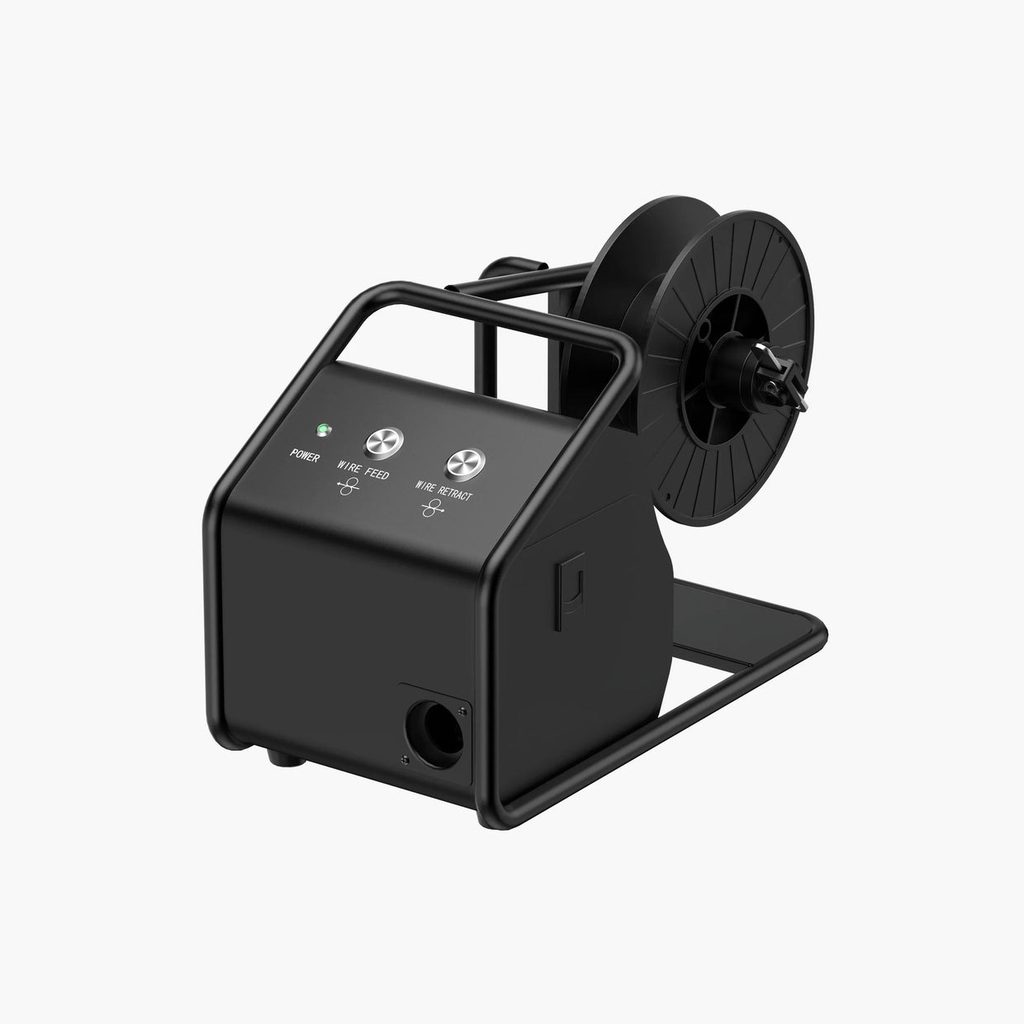
Wire diameter, alloy grade, and spool tension all influence weld quality more than most operators expect. A feeder rated for stainless will drag on aluminum because the softer wire deforms under the same roller pressure. Match feed rollers to wire type, check drive tension weekly, and store spools in a sealed cabinet so surface oxides do not travel into the joint.
Optics and Protective Windows Deserve Their Own Routine
Protective lenses and cover glass are among the cheapest accessories but the ones most often ignored. A single spatter hit on a protective window scatters the beam and drops power density at the workpiece. Instead of waiting for weld quality to degrade, inspect the protective window at the start and end of every shift under angled light. Replace it the moment you see pitting or cloudy fogging, and log the swap so you can trace back if a batch of welds fails inspection later.
For focal lenses, follow a stricter protocol. Clean only with laser-grade wipes and optical solvent, and never dry-wipe with shop rags. Buyers of Xlaserlab welders often keep a dedicated cleaning station near the machine so lens handling never happens over a dusty bench. That small habit extends optic life by months.
Cover Slides Versus Focus Lenses
Cover slides are meant to be sacrificial. Focus lenses are not. If you find yourself replacing focus lenses more than once a quarter on a single-shift schedule, the cover slide is either missing, cracked, or being reused past its useful life. Enforce a rule that cover slides get replaced on a schedule, not on visual judgement alone.
Shielding Gas, Hoses, and Torch Ergonomics
Shielding gas delivery is often treated as plumbing rather than an accessory, and that is where quality erodes. A cracked hose or a loose fitting introduces air into the shielding stream, causing porosity that no amount of parameter tuning will fix. Walk the gas line from the regulator to the torch head monthly, feel each fitting for hiss, and swap any hose showing surface cracks. Keep a spare gas diffuser in the same drawer as your nozzles so a swap takes minutes, not a service call.

Torch ergonomics matter more on long jobs than on short ones. If operators run beads for hours, a lighter torch head or a longer cable extension can meaningfully reduce fatigue and steady the hand. Try before you commit: many suppliers will ship a demo cable or handle for a fitment check.
Safety Gear Is Non-Negotiable
Laser safety goggles rated for your specific wavelength, welding gloves with adequate cuff length, and enclosure curtains rated for the beam class are not optional accessories. Store them where operators grab them without effort, and inspect strap wear and lens integrity monthly. A pair of goggles with a scratched inner coating is worse than none because it gives false confidence.

Build a Reorder System Before You Need It
Every shop reaches the moment when a critical accessory runs out mid-shift. Prevent it by setting reorder thresholds tied to actual usage rather than gut feeling. Track how many nozzles, cover slides, and lengths of wire you consume per hundred parts, then set the reorder point at two weeks of typical demand. A shared spreadsheet or a simple bin-tag system works; the point is to remove the memory dependence.

When you evaluate new suppliers, ask for lead time in days rather than weeks, and confirm which parts are stocked domestically versus made to order. That distinction changes your safety stock math significantly.
Turning Accessory Choices Into Consistent Welds
Choosing accessories well is less about finding a single best part and more about aligning every consumable, optic, and safety item with the actual work moving through your shop. Map jobs to categories, replace sacrificial parts on schedule, treat optics with a real cleaning protocol, and build a reorder system that runs without heroics. Do those four things and your welder will spend more time producing and less time waiting on a small part. Xlaserlab supports operators who take this systematic approach, and the payoff shows up in weld consistency, uptime, and the quiet confidence of a shop that is never caught short.

