





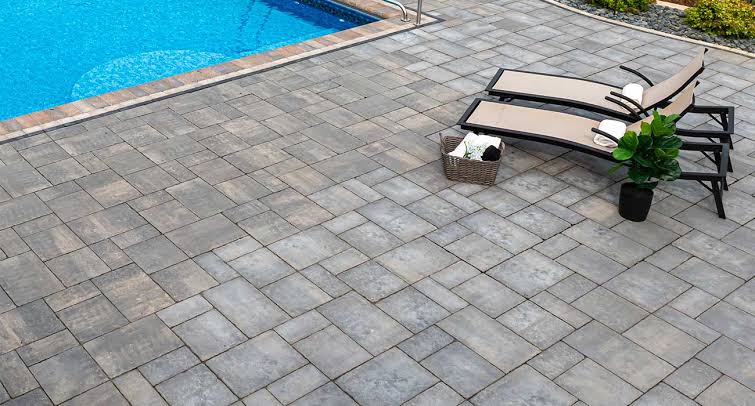
Efflorescence mars paver patios with chalky white salt deposits from moisture-carrying minerals to the surface. Penetrating sealers block this process at its source for clear, durable outdoor surfaces. Homeowners maintain flawless stonework through targeted protection methods.
What Causes Efflorescence
Water moves through porous pavers, dissolving internal salts from cement, soil, or groundwater, then deposits them as crusty residue upon evaporation. Rain, sprinklers, or poor drainage trigger cycles that etch surfaces and erode joints over time. Walkways and patios accumulate layers fastest in humid or wet climates.
How Sealers Stop It
Penetrating treatments lock salts deep within the material before they reach the surface, while repelling further liquid ingress. Breathable designs let vapor escape, helping prevent blistering or delamination common with non-porous coatings. Matte formulas preserve natural color and texture on unsealed concrete or stone.
Surface Preparation Essentials
Remove loose deposits with a stiff brush and mild cleaners, avoiding acids that can damage the matrix. Test absorption by sprinkling water—quick uptake signals porosity and requires up to 125 square feet of coverage per gallon. Ensure full dryness for 24-48 hours post-clean to reveal true needs.
Application Best Practices
Deploy pump sprayers for even flood coats on cloudless days between 40°F and 80°F, applying a minimum of 2 saturating layers. Wait one hour between coats, allowing the liquid to penetrate until the surface refuses more liquid. Concentrates mix at 1:7 or 1:19 with water to cut packaging and costs effectively.
Natural Finish Key Benefits
Invisible barriers from water-based penetrants fend off oils, mildew, and freeze damage without gloss, yellowing, or slip hazards. They suit indoor floors or exterior paths equally well, with zero odor and plant-safe traits. Rainguard water based patio sealer matches these qualities in low-VOC form.
Extra Protection from Stains
Spilled fuels, food residues, or leaf stains wipe clean from treated faces, whereas untreated ones absorb them permanently. Deicer salts bounce off, too, preventing pitting in winter zones. Joint stabilization follows sealing to lock sand and block weed growth.
Coverage Calculation Tips
Porous pavers drink more sealer, yielding 100-150 square feet per gallon, typically. Denser ones stretch further. Factor slopes and textures for accuracy during planning. Multi-coat builds ensure uniform defense across varied installations.
Ongoing Maintenance Routine
Weekly brooms clear sand-trapping debris that breeds moisture. Gentle seasonal rinses dissolve pollen without joint erosion from pressures over 1500 PSI. Inspect annually, resealing every 3 to 5 years based on wear patterns for sustained clarity.
These steps yield pavers that resist weathering indefinitely. Patios stay sharp amid relentless exposure. Simple diligence creates enduring outdoor value.

