






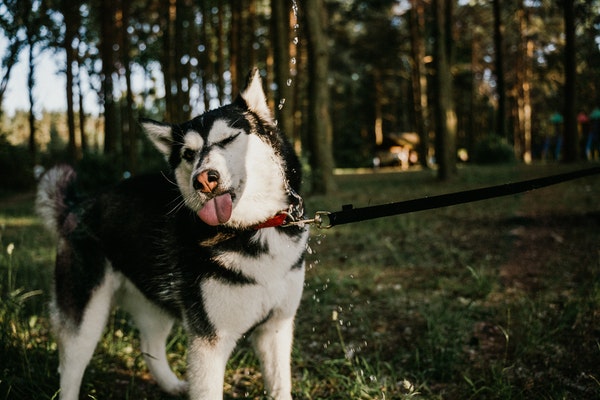
According to a 2016 study by the American Kennel Club, pulling your dog on a leash can cause severe damages to its larynx, cornea, and trachea. However, most dog owners enjoy pulling their dogs on the leash, mainly because most dogs appear excited about it. The problem with this act is that your dog might not stop pulling even after reaching the end of the leash. Below are the effects of pulling your dog on the leash and how to stop your dog from pulling anytime, anywhere.
Damaging Effects of Pulling a Dog on the Leash
Mostly, leashes and collars cut through as the pulling force increases, especially when the leash reaches its end and the dog or you extends pulling. Like humans, dogs’ necks have the same sensitivity and strength, cutting and hurting quickly under extended pressure. Consistent pulling of your dog on the leash has effects including:
Hurting Eyes and Ears
When either you or your dog pulls firmly, your dog’s eyes and ears blood flow is restricted, cutting the regular blood circulation in those areas. Limited blood flow causes swelling, which damages organs and appendages. Besides, regular pulling of your dog on the leash causes cuts, bruises, and neck lacerations. Also, minimal blood flow leads to health deterioration and traumatic effects on your dog, which can be expensive and bothersome to manage.
Causes Strangulation and Choking
Like dog choke and prong collars made for punishing purposes, pulling your dog on the leash also inflicts pain and discomfort, resulting in choking and strangulation. According to studies, pulling on leashes, chokes, and prong collars injures approximately over seventy dogs daily.
Pulling your dog on the leash can cause fainting, spinal injury, and paralysis when excessively practiced, mainly due to tracheal crushing or unconsciousness. It can also lead to broken and dislocating bones, bruising, and damage of the esophagus, leading to your dog’s physical and emotional suffering. Ultimately, this will affect the dog’s ability to participate in daily activities actively or worse when not promptly attended to.
It Causes a Decrease in Your Dog’s Thyroid Hormones
Regular pulling of your dog on the leash causes trauma leading to inflammation of the thyroid gland and other surrounding organs, adversely affecting the secretion of the gland hormones. If leash pulling and pressure exceed, your dog starts to fight back through its thyroid gland by secreting excess hormones to boost its immunity.
Likewise, hypothyroidism leads to loss of fur, insignificant weight gain, and potential organ failure and skin problems. Your dog’s reduced thyroid hormones can mostly lead to mental dullness, inability to participate at work actively, hunting, or playing, and a lack of enthusiasm.
It Can Completely Damage Your Dog’s Nervous System
Whether your dog is a k-9 or a typical pet, its vagus nerve is essential for allowing it to relax after work and exercises. Ultimately, according to studies, the higher your dog’s vagus nerve tone, the better and quicker the relaxation. Additionally, your dog’s vagus nerve assists it in regulating blood vessel tensions for proper lung, stomach, and heart functions.
Unfortunately, excess and regular pulling of your dog on the leash affects the vagus nerve, leading to fainting or entirely damaging the nerve and reducing the dog’s lifespan. Also, excessive pulling of your dog on the leash results in your dog’s extreme reflexes on most of its body, especially on its legs. Uncontrolled reflexes lead to tremors and epileptic-like symptoms. In addition, you’ll notice your dog’s vagus nerve damage when the dog regularly sniffs and licks its paws while looking confused.
What to Do to Avoid Hurting Your Dog By Pulling on the Leash
When it’s hard to avoid and stop your dog from pulling on the leash, the following can incredibly help you prevent hurting your pet:
- Training on Proper Leash Use
Once your dog knows how to prevent firm pulling, the odds of hurting itself reduce. Teach the dog when to move and stop by implementing standard and most effective leash training techniques like heeling or using clickers.
- Changing Your Walking Direction Immediately Pulling Exceeds
Once your dog hits the end and keeps pulling, turn in the other direction. Avoid allowing the dog to move forward; instead, changing direction will push the dog backward, thus reducing the force. Also, keep walking in one direction once the leash makes a J or C shape.
There are many effects of pulling your dog on the leash, from hurting its neck to damaging internal organs. To avoid these and more effects, train your dog on the proper use of leashes, like when to stop and move through effective techniques like heeling.

