





If you’ve spent any time in fashion circles—online or in the real world—there’s a good chance you’ve come across the name Comme des Garçons check at https://commedesgarcon.fr/. Maybe you’ve seen the iconic heart logo with the googly eyes on a pair of sneakers. Maybe you’ve walked past one of their conceptual stores that look more like art installations than retail spaces. Or maybe you’ve just heard whispers about how this Japanese brand turned high fashion upside down decades before “avant-garde” became a mainstream buzzword. But what exactly is Comme des Garçons, and why does it inspire this level of fascination?
Let’s dive in.
A Brand Born Out of Rebellion
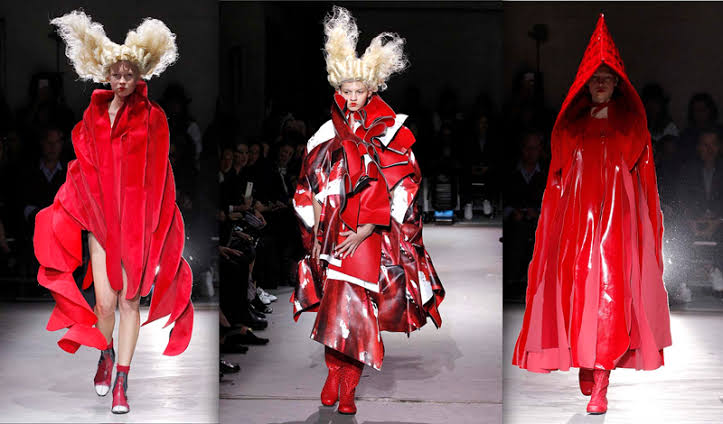
Comme des Garçons—French for “Like Boys”—was founded in Tokyo in 1969 by Rei Kawakubo. And honestly, that name sums up the entire ethos of the brand. Kawakubo came into the fashion world like someone flipping a table at a polite dinner. At a time when the womenswear landscape leaned heavily on elegance, femininity, and neat silhouettes, she introduced shapeless garments, frayed edges, dark palettes, and a kind of poetic destruction that felt almost confrontational.
When the brand debuted in Paris in the early 1980s, critics were… let’s just say confused. Words like “poverty chic” and “post-atomic” got thrown around, and not necessarily as compliments. But Kawakubo wasn’t interested in pleasing anyone anyway. She was busy using clothing as a medium for philosophical questions: What is beauty? Why do we value symmetry? Why must clothes flatter the body?
And here’s the thing—her questions hit hard enough that they eventually changed fashion. Fast forward to today and Comme des Garçons is frequently credited as one of the most influential forces in modern design.
More Than Just Clothes (Seriously)
One of the most fascinating things about Comme des Garçons is that it’s not just a label selling garments visit at https://commedesgarcon.pl/—it’s almost like a thought experiment that happens to produce clothes. Kawakubo has famously said she’s not interested in fashion per se, but in creating something that didn’t exist before. That mindset explains why runway pieces often look sculptural or deconstructed or straight-up alien, and why critics describe her shows like performances rather than product showcases.
So, if you’re wondering why you don’t see many people on the street wearing some of the more extreme Comme des Garçons runway looks—well, that’s by design. The runway is where Rei Kawakubo imagines freely, without the burden of commercial expectations. Meanwhile, the brand’s more wearable pieces show up in its many sub-lines and collaborations.
You Probably Know the Heart Logo
Here’s where things get interesting for the wider public: Comme des Garçons isn’t just one brand, it’s a universe. And in that universe are sub-labels, including the wildly popular Comme des Garçons PLAY line. This is the line behind the heart-with-eyes logo created by artist Filip Pagowski. If you’ve seen Converse sneakers with that little heart peeking out from the midsole, congrats—you’ve been introduced to PLAY.
PLAY is designed to be simple, casual, and instantly recognizable. Think t-shirts, cardigans, striped long sleeves, and lightweight outerwear. It’s the entry point many people take into the world of Comme des Garçons, like a gateway drug into avant-garde fashion.
Collaborations That Actually Make Sense
Comme des Garçons has one of the most interesting collaboration histories in the industry. From Hermès to Nike, the brand has teamed up with everyone from luxury houses to sportswear giants. And unlike many modern collabs that seem to exist purely for hype, Kawakubo’s collaborations often bring meaningful reinterpretations to traditional silhouettes.
Take the Converse collaboration again: at first glance it’s “just” a Chuck Taylor with a heart on it. But there’s something about the simplicity and playfulness that resonates globally. The shoes are fun, recognizable, and slightly quirky—three qualities that mirror the brand’s personality perfectly.
The Stores Are Part of the Art
Walk into a Comme des Garçons store and you might feel like you’ve stepped into another dimension check at https://www.commedesgarcons.it/. Many are designed like installations, with unconventional layouts, strange materials, and architectural experimentation. Even the brand’s flagship retail concept Dover Street Market—a multi-brand department store—functions like an art gallery with merchandising. Designers build and rebuild spaces every season, as if the store itself is alive.
It’s retail, but it’s also storytelling.
A Brand That Refuses to Be Boxed In
One of the reasons Comme des Garçons remains so compelling is that it refuses to become predictable. In a world of fast trends, TikTok cores, and seasonal churn, Kawakubo has stayed laser-focused on originality. She once described creation as “not for a desire to be different, but for a desire to be new.” That’s a subtle but important distinction. Being different is reactionary. Being new is visionary.
And that’s the magic of Comme des Garçons: it feels like it exists just slightly ahead of the present moment.
So… Why Does It Matter?
At the end of the day, Comme des Garçons isn’t just a clothing brand—it’s a challenge to complacency. It forces you to question what fashion is supposed to be, what beauty is supposed to look like, and why creativity should have limits at all. Whether you’ve seen a runway show, worn a PLAY t-shirt, or just passed someone wearing CDG Converse on the street, you’ve brushed against one of the most influential design movements of the past half-century.

