






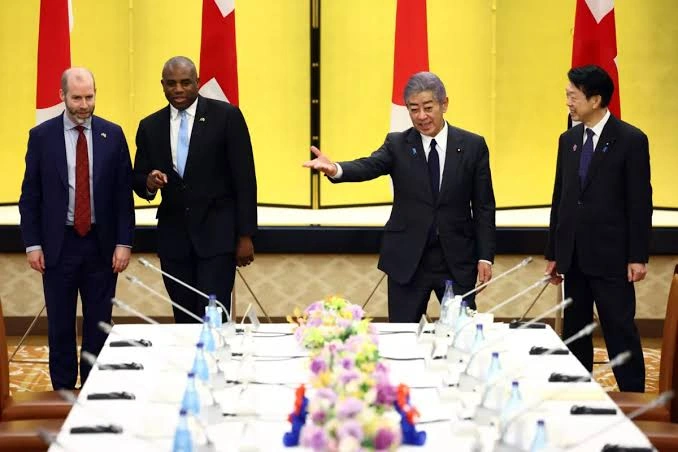
The UK and Japan have strong trade connections under the Comprehensive and Progressive Agreement for Trans-Pacific Partnership, known as CPTPP. The agreement gives UK businesses access to the Japanese market under agreed trade rules. Exporters still need to manage documentation, product requirements, customs procedures, and communication with Japanese businesses.
Translation often becomes part of this process.
A UK company entering Japan might need to prepare product information, contracts, technical manuals, certificates, packaging details, safety documents, and business materials. Some documents need Japanese versions for customers, distributors, business partners, or relevant authorities.
The cost depends on the type of document, word count, technical complexity, formatting, deadline, and review requirements. Understanding these factors before entering the market helps exporters prepare a more accurate budget.
japanese translation services also help businesses maintain consistent terminology across their export documents. This matters when the same product, company, component, or process appears in several files.
Why Translation Matters for UK Exporters
English is widely used in international trade, but Japanese businesses often need product and business information in Japanese. The exact requirements depend on the industry, product, customer, and purpose of each document.
A manufacturer exporting industrial equipment might need detailed technical manuals. A food company might need ingredient and packaging information. A software company might need user guides and support materials.
Common documents include:
- Product specifications
- User manuals
- Safety instructions
- Product labels
- Commercial contracts
- Certificates
- Compliance documents
- Company profiles
- Marketing materials
- Warranty information
- Supplier documents
- Installation instructions
Each document requires a different translation approach. A general company profile needs a different style from a technical safety manual.
Product Documentation Can Increase Costs
Product documentation often contains technical terms, measurements, tables, diagrams, and detailed instructions. Translators need to understand the product before translating these materials.
For example, an engineering manual might contain hundreds of component names. Those terms need consistent Japanese equivalents throughout the document.
A translation provider might also need to review existing terminology from the manufacturer’s Japanese distributor or headquarters. This reduces the risk of using different terms for the same component.
The number of pages also does not always determine the total workload. A short technical document might require more specialist work than a longer general business document.
Exporters should provide the complete source file when requesting a quote. This gives the translation team enough information to assess the project accurately.
Food Exporters Have Specific Documentation Needs
Food and beverage companies entering Japan often need detailed product information. Labels, ingredient lists, allergen information, nutritional details, storage instructions, and product descriptions all require careful handling.
A food exporter might need translation for:
- Ingredient names
- Allergen statements
- Nutrition information
- Preparation instructions
- Storage conditions
- Product descriptions
- Manufacturer details
- Packaging information
- Country of origin
- Product specifications
Food terminology requires accuracy. A translator should understand the product and the context before selecting Japanese terms.
Packaging also creates a formatting challenge. Japanese text might require different spacing and layout from the original English version. If translated text needs to fit within an existing label, additional design work might be required.
Legal Documents Need Specialist Attention
UK exporters often work with Japanese distributors, agents, suppliers, and customers. Business relationships involve contracts and other legal documents.
These documents might include payment terms, delivery conditions, warranties, intellectual property provisions, liability clauses, and dispute resolution terms.
Legal translation requires consistency. A defined term used in one section should have the same meaning throughout the agreement.
A direct word for word translation might produce wording that sounds unnatural or changes the intended meaning. Professional japanese translation services provide translators who understand Japanese business language and legal terminology.
For important agreements, exporters should also consider legal review by an appropriate professional.
Certificates and Compliance Documents
Many products require supporting certificates or compliance documents. The exact documents depend on the product and industry.
Possible documents include:
- Product safety certificates
- Testing reports
- Quality certificates
- Manufacturing records
- Certificates of origin
- Ingredient declarations
- Environmental documents
- Industry certifications
- Product conformity documents
Some certificates contain technical terminology, registration numbers, dates, company names, and specific conditions. These details need careful checking during translation.
The translated version should match the original document. Numbers, dates, product codes, and certification details should receive a final review before submission.
Technical Manuals Require More Than Language Skills
Technical translation requires subject knowledge. A translator working on machinery, electronics, automotive products, or industrial equipment needs to understand the relevant terminology.
A technical manual might explain how to install equipment, operate machinery, identify faults, perform maintenance, or follow safety procedures.
The translation should preserve the exact instructions.
For example, instructions involving temperature, pressure, voltage, weight, or timing need accurate numbers and units. A translation error in these areas might create operational problems.
Exporters should provide product specifications, existing glossaries, previous translations, and reference materials where available. These resources help translators maintain consistency.
Formatting Also Affects Translation Costs
Translation costs sometimes include additional work for document formatting.
A simple Word document requires less formatting work than a product catalog with images, charts, tables, and technical diagrams.
Documents requiring additional layout work might include:
- Brochures
- Product catalogs
- Technical manuals
- Packaging files
- Training materials
- Presentations
- Certificates
- Product labels
Japanese text may occupy a different amount of space from English text. The translated version might therefore require changes to font size, spacing, tables, or page layouts.
Ask your translation provider whether formatting is included in the quoted price.
Urgent Translation Projects May Cost More
Export schedules often involve fixed deadlines. A shipment might already be planned while product documentation is still being prepared.
Urgent translation projects require faster allocation of translators and reviewers. Some providers charge additional fees for short deadlines.
Early planning helps avoid these costs.
If you know your company will export to Japan, identify translation requirements before the shipping date. Give the translation team enough time for translation, editing, formatting, and final review.
Repeated Content Can Reduce Future Work
Exporters often use the same information across multiple documents. Company names, product names, technical terms, warranty statements, and standard instructions might appear repeatedly.
A professional translation workflow can maintain a terminology database and translation memory.
These resources record approved translations for recurring content. When similar content appears in future projects, translators have an established reference.
This improves consistency and reduces repeated work.
For companies exporting several products to Japan, terminology management becomes increasingly useful.
Marketing Content Needs Local Adaptation
Marketing materials require a different approach from technical documents.
A UK company might use a slogan or promotional phrase designed for British customers. A direct translation might sound unnatural to Japanese readers.
Marketing content should communicate the intended message while fitting Japanese communication standards.
Materials such as product brochures, websites, advertisements, and company profiles often require adaptation rather than direct word replacement.
A translation team should understand your target audience before working on promotional content.
How Exporters Should Prepare
Before requesting translation, create a list of all documents required for your Japanese market entry.
Separate the documents into categories such as:
- Product information
- Technical documents
- Legal documents
- Compliance documents
- Marketing materials
- Customer support materials
Then identify which documents need Japanese versions.
Check each source document for outdated information, inconsistent product names, missing sections, and incorrect figures. A clean source document makes the translation process easier.
Provide previous approved translations where available. These files help maintain consistent terminology.
Choose a Translation Provider Carefully
Price matters, but quality also matters when preparing documents for an international market.
Ask the provider about experience with your industry. A company translating industrial manuals needs different expertise from a provider working mainly on general business content.
Before selecting a provider, review:
- Japanese translation experience
- Industry knowledge
- Technical expertise
- Editing and proofreading process
- Terminology management
- Formatting support
- Confidentiality procedures
- Turnaround time
- Revision policy
Professional japanese translation services should provide a clear process from source document review through final delivery.
Plan Translation Costs From the Start
Translation should form part of your export budget from the beginning.
Do not wait until your shipment is ready. Identify document requirements early and request quotes based on complete source files.
Consider the following cost factors:
- Total word count
- Technical terminology
- Document format
- Number of files
- Required deadline
- Editing requirements
- Formatting work
- Certification needs
- Subject matter expertise
This approach gives you a clearer estimate before the project starts.
UK exporters entering Japan need to consider more than trade rules. Clear documentation supports communication with Japanese customers, distributors, suppliers, and business partners.
CPTPP provides a framework for trade, while accurate documentation helps businesses operate within practical market requirements. Translation forms an important part of this preparation.
By planning early, maintaining consistent terminology, choosing suitable japanese translation services, and reviewing documents before release, UK exporters can manage translation costs while preparing clearer materials for the Japanese market.

