






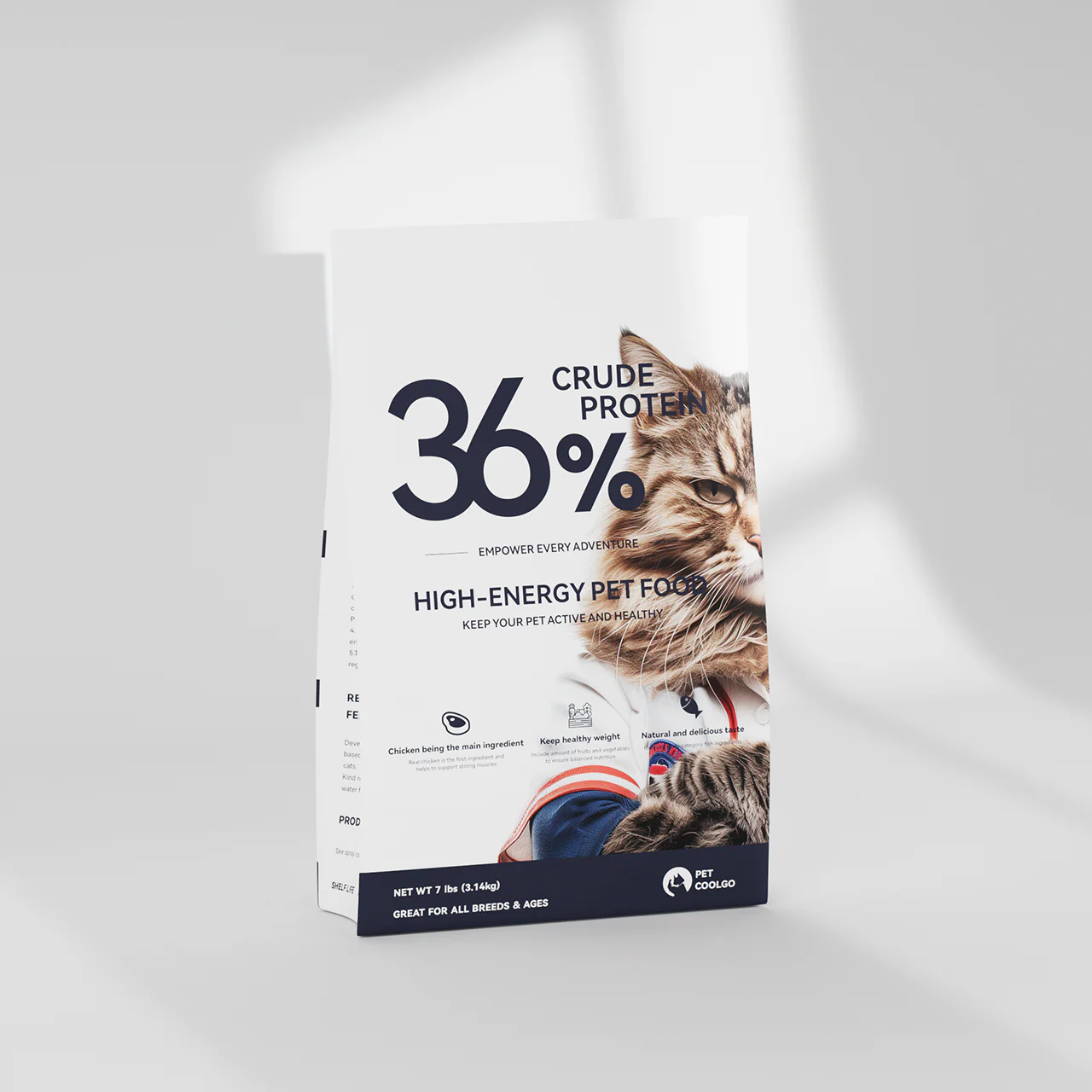
Cats are obligate carnivores, meaning their bodies are designed to thrive on meat-based diets rich in protein. For active cats who spend their days climbing, playing, and exploring, high-protein cat food becomes even more crucial. These energetic felines require adequate protein to maintain lean muscle mass, support their metabolism, and sustain their activity levels throughout the day. Without sufficient protein intake, active cats may experience muscle loss, decreased energy, and compromised immune function.
Beyond selecting quality high-protein food, cat owners face practical challenges in daily feeding management. Determining the right portion sizes based on your cat’s weight and activity level prevents both underfeeding and obesity. For households with multiple cats, the complexity increases significantly. Each cat may have different dietary needs, eating speeds, and food preferences, making mealtime a potential source of stress and competition. Understanding proper feeding amounts and establishing effective management strategies ensures every cat receives optimal nutrition while maintaining harmony in multi-cat households.
Understanding High-Protein Cat Food
High-protein cat food typically contains 40% or more protein on a dry matter basis, derived primarily from animal sources like chicken, turkey, fish, or beef. This protein-rich formulation aligns with a cat’s natural carnivorous physiology, providing essential amino acids that their bodies cannot synthesize independently. Unlike dogs or humans, cats require specific nutrients like taurine, arginine, and arachidonic acid found exclusively in animal proteins, making meat-based diets not just beneficial but biologically necessary.
Active cats demand significantly more protein than their sedentary counterparts. During vigorous play, hunting behaviors, and exploration, their muscles undergo constant breakdown and repair cycles. Protein supplies the building blocks for this regeneration while fueling their elevated metabolic rates. Additionally, protein supports enzyme production, hormone regulation, and immune system function—all working overtime in energetic felines. Active cats burning extra calories through movement need protein to maintain stable blood sugar levels and prevent muscle catabolism, where the body breaks down its own tissue for energy. A high-protein diet ensures these dynamic cats receive adequate nutrition without excessive carbohydrates that can lead to weight gain and energy crashes throughout the day.
Benefits of High-Protein Diet
High-protein cat food directly supports lean muscle development and maintenance, which is particularly vital for active cats constantly engaging their physical capabilities. The amino acids from quality protein sources facilitate muscle fiber repair after exercise and play, preventing the muscle wasting that can occur when dietary protein falls short. This muscle preservation translates to sustained strength, agility, and coordination—essential qualities for cats who love to jump, climb, and chase.
Beyond muscle health, protein-rich diets provide consistent, long-lasting energy without the blood sugar spikes associated with carbohydrate-heavy foods. Cats metabolize protein efficiently for fuel, maintaining steady activity levels throughout the day. Surprisingly, high-protein diets also aid weight management by increasing satiety—cats feel fuller longer, reducing constant begging and overeating. The thermic effect of protein means cats burn more calories simply digesting their food compared to processing fats or carbohydrates, supporting healthy body composition even in less active periods.
Choosing the Right High-Protein Cat Food
Selecting quality high-protein cat food requires examining the ingredient list carefully, with the first three to five ingredients revealing the food’s true nutritional foundation. Look for named animal proteins like “chicken,” “salmon,” or “turkey” as the primary ingredient rather than vague terms like “meat meal” or “poultry by-product.” The best formulations list multiple animal protein sources within the top ingredients, ensuring diverse amino acid profiles. Whole ingredients such as chicken breast, fish, or organ meats provide superior nutrition compared to rendered meals, though quality meat meals can still offer concentrated protein when properly processed.
Avoid foods with excessive fillers like corn, wheat, and soy that inflate carbohydrate content without nutritional benefit for carnivores. Artificial preservatives (BHA, BHT, ethoxyquin), artificial colors, and generic “animal fat” indicate lower quality manufacturing. Instead, seek natural preservatives like mixed tocopherols (vitamin E) and foods preserved through proper packaging. Beneficial additions include omega-3 fatty acids from fish oil for coat health, probiotics for digestion, and taurine supplementation to guarantee adequate levels of this critical amino acid.
Trusted brands consistently delivering high-protein formulations include Wellness CORE, known for grain-free recipes with 40-45% protein; Orijen, offering biologically appropriate foods with 85% animal ingredients; and Taste of the Wild, providing affordable high-protein options with novel protein sources. Blue Buffalo Wilderness caters to various life stages with protein-focused formulas, while Instinct by Nature’s Variety offers raw-inspired options. For budget-conscious owners, Rachael Ray Nutrish Zero Grain and Natural Balance Limited Ingredient diets provide respectable protein levels without premium pricing. Always transition gradually between foods over 7-10 days to prevent digestive upset, regardless of quality.
Reading Labels and Making Informed Choices
Cat food labels follow standardized formats regulated by AAFCO (Association of American Feed Control Officials), but understanding the terminology requires some decoding. The guaranteed analysis shows minimum protein and fat percentages alongside maximum fiber and moisture levels, but these figures can mislead when comparing wet and dry foods. Converting to “dry matter basis” provides accurate comparisons—subtract the moisture percentage from 100, then divide the protein percentage by this number and multiply by 100. A wet food showing 10% protein with 78% moisture actually contains 45% protein on a dry matter basis, comparable to many adult dry cat food options.
Ingredient lists appear in descending order by weight before processing, which manufacturers sometimes exploit through “splitting.” A food might list chicken first, followed by ground corn, corn gluten meal, and corn bran—collectively, corn outweighs the chicken. Watch for this tactic with any ingredient appearing multiple times in different forms. The “complete and balanced” statement indicates the food meets AAFCO standards for specific life stages, verified either through feeding trials (more reliable) or formulation calculations. Avoid foods stating “for intermittent or supplemental feeding only” as primary diets.
Common pitfalls include falling for marketing buzzwords like “natural,” “premium,” or “gourmet,” which carry no regulated meaning. “Grain-free” doesn’t automatically mean high-protein if replaced with potatoes or peas. Price doesn’t always correlate with quality—examine ingredients rather than packaging claims. Making informed choices involves comparing several brands’ dry matter protein content, verifying animal proteins dominate the ingredient list, and checking for AAFCO feeding trial statements rather than just formulation standards. When uncertain, consult your veterinarian, especially for cats with specific health conditions requiring dietary modifications.
Feeding Guide for Active Cats
Determining appropriate feeding amounts for active cats requires balancing their weight, activity level, and metabolic rate. As a baseline, adult cats need approximately 20 calories per pound of body weight daily for maintenance, but active cats typically require 25-35 calories per pound depending on their energy expenditure. A moderately active 10-pound cat needs roughly 250-280 calories daily, while highly active cats of the same weight may need 300-350 calories. Check your cat food packaging for caloric density—high-protein foods generally contain 350-500 calories per cup for dry food and 70-100 calories per 3-ounce serving for wet food.
Portion control prevents obesity even with quality high-protein food, as overfeeding any diet leads to weight gain. Divide daily calories into two or three meals rather than free-feeding, which encourages overeating and makes monitoring intake impossible. For a 10-pound active cat eating food with 400 calories per cup, provide approximately 5/8 to 7/8 cup daily, split between meals. Adjust portions based on body condition—you should feel ribs easily without seeing them prominently, and your cat should have a visible waist when viewed from above.
Sample daily feeding amounts for active cats using high-protein dry food (400 cal/cup): 8-pound cat receives 1/2 to 2/3 cup; 10-pound cat receives 5/8 to 7/8 cup; 12-pound cat receives 3/4 to 1 cup; 15-pound cat receives 7/8 to 1-1/4 cups. For wet food (80 cal per 3-oz serving): 8-pound cat needs 2.5-3.5 servings; 10-pound cat needs 3-4 servings; 12-pound cat needs 3.5-5 servings; 15-pound cat needs 4.5-6 servings. These ranges account for varying activity levels—use lower amounts for moderately active cats and higher amounts for extremely active ones. Monitor weight weekly during the first month, adjusting portions by 10% if your cat gains or loses weight unexpectedly. Active outdoor cats, nursing mothers, and young adults under two years typically need the upper range or beyond.
Feeding Multiple Cats
Managing multiple cats with different dietary needs presents challenges including food stealing, competitive eating, and difficulty monitoring individual intake. Dominant cats often consume more than their share while timid cats may not eat enough, leading to weight imbalances and nutritional deficiencies. Some cats eat quickly and then invade slower eaters’ bowls, while others graze throughout the day, making scheduled feeding complicated.
Establish separate feeding stations in different rooms or elevated locations to reduce competition and allow each cat their own space. For cats requiring different foods—such as one needing high-protein for activity while another needs weight management—physical separation during meals becomes essential. Microchip-activated feeders offer technological solutions, opening only for the designated cat and preventing food theft. These devices work particularly well for special diets or when one cat needs medication mixed with food. Pet management tools like PetCoolGo’s feeding accessories can help organize multiple feeding stations and maintain consistent schedules across different areas of your home.
Implement scheduled feeding times rather than free-feeding, placing each cat’s portion in their designated area simultaneously. Supervise meals for 20-30 minutes, removing uneaten food afterward to prevent grazing and theft. This routine allows you to monitor each cat’s appetite and detect health issues early. For households where separation isn’t feasible, feed cats in carriers or crates during mealtimes, gradually conditioning them to associate these spaces with positive experiences. Maintain consistency with feeding times—cats thrive on routine, and regular schedules reduce anxiety and food-related aggression. If one cat consistently steals food despite interventions, consult your veterinarian about whether that cat’s portions are adequate or if behavioral modification is needed.
Optimizing Your Active Cat’s Nutrition
High-protein cat food provides essential nutrition that active cats need to thrive, supporting muscle maintenance, sustained energy levels, and overall vitality. By choosing quality formulations with animal-based proteins as primary ingredients and avoiding unnecessary fillers, you ensure your energetic feline receives biologically appropriate nutrition that aligns with their carnivorous nature. The investment in premium high-protein food pays dividends through improved health, reduced veterinary costs, and a more vibrant, playful companion.
Proper feeding management transforms nutrition from theory into practice. Calculating appropriate portions based on your cat’s weight and activity level prevents both undernourishment and obesity, while establishing consistent feeding routines creates structure that cats instinctively appreciate. For multi-cat households, implementing separate feeding stations and scheduled mealtimes eliminates competition and ensures each cat receives their required nutrition. By combining quality high-protein food with thoughtful feeding strategies, you create an environment where every cat can flourish physically and behaviorally, maintaining the health and happiness that makes the human-feline bond so rewarding.

