






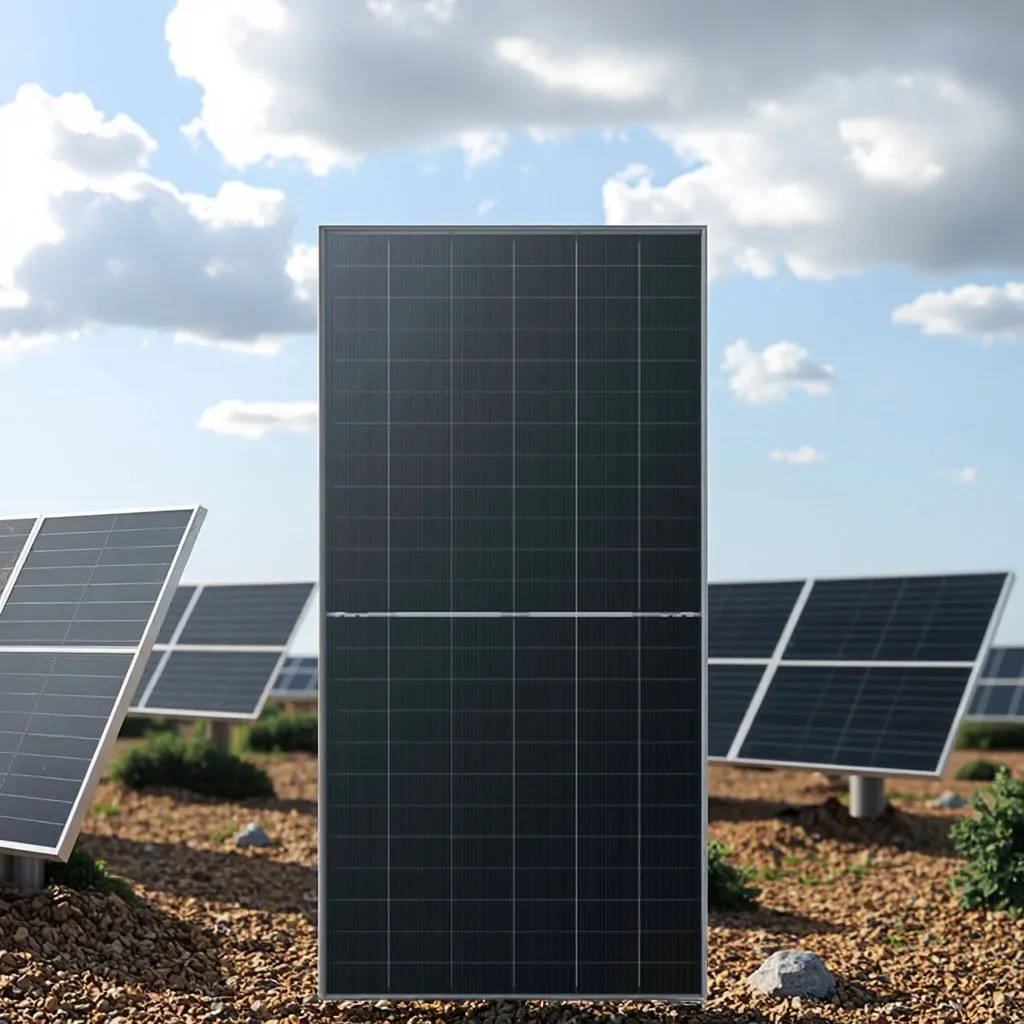
A Solar Container involves photovoltaic generation, electrical elements, and in some cases batteries in an integrated containerized system. Rather than constructing a conventional solar plant in a piecemeal fashion on the job site, the components of such an installation can be designed and assembled prior to delivery.
Such an option is especially applicable when working in remote areas, temporary job sites, telecommunication installations, mines, emergency situations, and other places where access to conventional electricity is constrained or prohibitively expensive.
Not all solar containers operate under the same principle, however, with some concentrating exclusively on PV generation and others incorporating PV generation, batteries, electrical components, and smart energy management within a single integrated solution. Such knowledge is vital before making any comparisons or requesting quotes.
What Is a Solar Container?
A solar container refers to a packaged solar power generation system which is meant to make it easy to set up solar power. Based on its design, it may consist of either folding or deployable photovoltaic panels, inverters or power conversion systems (PCS), batteries, protection equipment, monitoring, and energy management system (EMS).
It is used to protect and carry the equipment to its destination and later, the solar panels will be put in place and connected to the power grid at the site. An example of a solar container is the HJ Solar Container which is a one-stop shop for a containerized PV that includes N-Type TOPCon photovoltaic arrays, high-efficient PCS, energy storage, intelligent management, ISO/CSC certification, and IP55 protection.
Such a system makes installation easier than when the different parts are acquired separately.
How Does a Solar Container Work?
The operating principle is simple: photovoltaic panels harvest the sun’s rays and generate electrical energy. The power electronics equipment conditions this power for delivery to the loads of the installation or storage in an integral battery system.
If energy storage is present, any surplus energy generated by the sun can be stored and later discharged. This is made possible through the use of an EMS, which controls the entire generation, storage, loads, and any other power resources as per system configuration.
This would mean that a typical solar storage configuration would be:
- Photovoltaic panels
- Battery energy storage system (BESS)
- Inverter or PCS
- Battery management system (BMS)
- Energy Management System
- Electrical protection and distribution
- Thermal management
- Monitoring and communication
- Grid or generator interfacing
Depending on the purpose of the project, different combinations would be used.
Types of Solar Container Systems
The term solar container covers several different system architectures. Identifying the type is important because two products with similar container dimensions can have very different capabilities and costs.
Foldable Solar Containers
The folding designs fold the photovoltaic module inside or outside the shipping container during transportation. When unfolded, the modules spread out to cover more surface area for production.
For example, the HJ-FBESS includes modular solutions in roof mounting as well as 8-foot, 10-foot, 20-foot, and 40-foot container sizes. Published specifications include 9 kWp to 136 kWp for photovoltaic power systems and 15 kWh to 482 kWh for energy storage systems.
Solar-Plus-Storage Containers
Such systems use a combination of photovoltaic power production and battery storage. These are helpful where electricity is needed even after dusk or where the site requires a buffer between power generation and power consumption.
Hybrid Solar Containers
The hybrid system is capable of integrating solar energy and batteries with yet another form of power generation, including diesel generator or grid power. Such an option can decrease generator operation time while preserving the presence of backup power when the sun does not generate enough power.
Where Are Solar Containers Used?
The portability of containerized renewable energy makes it useful in situations where permanent infrastructure is difficult to justify.
Mining Operations
These mines are distant from electricity and might depend highly on their own diesel generators for power supply. A solar-storage container will assist in cutting down the diesel consumption.
The system can support lighting, communications, pumps, workshops, accommodation facilities, monitoring equipment, and other site loads, depending on its electrical capacity.
Construction Sites
Construction projects frequently need temporary electricity before permanent utility infrastructure is available. A containerized solar system can provide renewable generation without requiring the same permanent installation footprint as a conventional solar plant.
Emergency Power
After a disaster like floods, storms, earthquakes, etc., the grid infrastructure can get damaged. The use of a portable solar power storage system would provide energy for various important gadgets like the communication network, shelters, medical instruments, lighting, etc.
Telecommunications
Reliable power is required by remote telecom sites where utility service may not be accessible. Solar power combined with battery storage will provide power to communication equipment, thus cutting down on fuel delivery frequency.
Remote Camps and Facilities
Field camps, eco-lodges, rural facilities, and isolated industrial sites can use containerized solar systems to provide electricity without building extensive grid infrastructure.
What Determines Solar Container Price?
The solar container price cannot be accurately determined from the container size alone. A 20-foot system with a modest PV array and limited storage is fundamentally different from a 20-foot unit containing hundreds of kilowatt-hours of battery capacity.
The main cost drivers include:
- PV capacity in kWp
- Battery capacity in kWh
- Inverter or PCS rating
- Battery chemistry and configuration
- Cooling and thermal management
- Energy management controls
- Grid-forming or grid-following capability
- Generator integration
- Electrical protection
- Certifications and testing
- Container size and design
- Shipping destination
- Installation and commissioning
- Civil works and site preparation
- Taxes, duties, insurance, and local handling
This is because these variables can vary considerably. A more misleading comparison can be conducted based on a single figure, where, for instance, one supplier’s quotation is cheaper due to the exclusion of transportation and batteries.
Solar Container Price in 2026
Published 2026 benchmarks illustrate why there is no single universal solar container price.
For instance, the Solar Container Kit reference purchasing benchmarks published mid-2026 include a number of reference configurations. For example, a 10 foot configuration including 24 kWp of PV, 40 kWh of storage, and 20 kW inverter is listed in the range of about $60,000-$80,000 FOB Shanghai. The 20 foot configuration with 57 kWp of PV, 241 kWh of storage and 50 kW inverter is estimated to be in the order of $110,000 – $140,000 FOB Shanghai. The 40 foot high cube configuration with 136 kWp of PV, 482 kWh of storage and 120 kW inverter is estimated in the order of $200,000 – $260
The figures demonstrate an important point: system capacity and configuration matter far more than container dimensions alone.
Why Battery Capacity Has a Major Impact on Price
Battery storage capacity often forms a crucial component of the solar power system with battery storage.
The solar panel capacity is responsible for the maximum energy generation capacity during the day. Conversely, the capacity of the battery, which is measured in kilowatt hours (kWh), is responsible for the storage capacity.
In the case of two systems having an inverter with 50 kW capacity, one may have battery storage that is adequate for a few hours of peak shaving, while another will have battery storage for several hours of energy independence.
This is why comparing systems only on a price-per-kW basis is often unreliable. Storage duration, battery chemistry, cooling, operating conditions, and control capabilities need to be considered alongside power output.
Solar Container Price: Equipment Cost vs. Total Project Cost
When requesting a quotation, distinguish between the equipment price and the total installed project cost.
A supplier’s equipment quotation may cover the containerized system but exclude several expenses associated with getting it operational at the destination.
A realistic project budget may include:
Equipment → Transport → Insurance → Duties → Port charges → Inland transport → Craning/unloading → Site preparation → Electrical work → Commissioning → Permitting/inspection
Specific division of responsibilities, expenses and risks associated with transportation will be determined by the nature of commercial agreement and conditions of delivery. Incoterms might define how some transportation-related responsibilities, costs and risks should be shared between buyer and seller, but they would not define all customs/tax liabilities.
It means that two suppliers can propose different total prices even for similar technical equipment only due to the difference in commercial scopes of their offers.
How to Compare Solar Container Quotes
Before deciding which solar container offers the best value, put competing quotations on the same technical and commercial basis.
Start with the core specifications:
| Specification | What to Compare |
| PV capacity | kWp of installed solar generation |
| Battery capacity | Total usable and nominal kWh |
| Power rating | Inverter/PCS continuous and peak output |
| Storage duration | Hours at the specified load |
| Battery chemistry | LFP or other specified chemistry |
| Cooling | Air-cooled or liquid-cooled |
| EMS | Monitoring, control, and optimization functions |
| Deployment | Transport, unfolding, and commissioning requirements |
| Certifications | Applicable safety and product standards |
| Warranty | PV, battery, inverter, and system coverage |
| Delivery scope | FOB, CIF, DDP, or another defined basis |
A quotation becomes much easier to evaluate once every supplier is answering the same questions.
Is a Solar Container Worth the Investment?
This is highly dependent upon the energy profile of the project and its alternatives.
In the case of a remote location, the extension of the electrical grid may entail costly infrastructure investments. On the other hand, the use of diesel generators entails ongoing fuel, transport, maintenance, and pollution costs.
These variables will be altered through the implementation of a solar container that utilizes solar energy to generate electricity and in the presence of batteries, move this energy to periods where no solar energy is present.
There is a stronger business justification for the implementation of such system where there is high solar potential, high generator fuel costs, many hours of operation, and long deployment period.
Otherwise, the shorter project duration with low sunlight will not justify the large up-front investment.
Solar Container vs. Traditional Solar Installation
Traditionally, engineering works for any ground-based solar installation require individual engineering efforts for the foundation, mount, PV modules, inverters, cables, protection devices, etc.
A containerized installation approach intends to bring all of the above-mentioned components into one integrated package.
It is not always important that a containerized installation is cheaper compared to traditional engineering; it has a different advantage in terms of deployment flexibility and ease of transportability.
A containerized installation may prove to be extremely useful for temporary and/or remote installations, where building permanent solar infrastructure makes no sense.
Weather and Site Conditions Matter
In order for a solar enclosure to be successfully designed, its operational environment should be taken into consideration, as elements such as wind, snow, temperature, humidity, dust, and solar radiation may affect performance and design.
It should be mentioned that a device may not necessarily have the same environmental specifications under different operational conditions. Each of them requires a certain type of design approach.
Prior to purchase, ask the manufacturer to provide you with data regarding wind and snow load ratings, test criteria, limitations under specific operational states, and anchorage.
Temperature also bears consideration since battery technology and power electronic devices require thermal control to perform optimally in either hot or cold temperatures.
What Should You Ask a Solar Container Supplier?
A good supplier quotation should answer technical questions before you compare the final number.
Ask for:
- What PV capacity is included?
- How much battery storage is provided?
- What is the usable battery capacity?
- What continuous and peak power can the PCS deliver?
- Is the system AC-coupled or DC-coupled?
- What cooling system is used?
- Can the system operate off-grid?
- Can a diesel generator be integrated?
- What certifications and testing apply?
- What exactly is included in the quoted delivery scope?
- What are the warranty terms?
- What site preparation and lifting equipment are required?
For battery-based systems, additional questions about thermal management, fire protection, BMS integration, deployment requirements, and safety testing are particularly important.
How to Get an Accurate Solar Container Price
The most reliable way to obtain a solar container price is to provide the supplier with a clear project brief rather than simply asking, “How much is a solar container?”
Include your location, daily energy consumption, peak load, critical loads, desired battery autonomy, solar resource, operating schedule, grid availability, backup generator requirements, and expected deployment period.
For example, a useful request might specify:
“We need approximately 50 kW continuous power, 200 kWh of battery storage, solar generation for a remote industrial site, generator integration, remote monitoring, and delivery to our project location.”
That gives an engineering team enough information to develop a meaningful configuration instead of returning a generic product price.
For project-specific configurations, specifications, and quotation requests, you can explore Solar Container Kit. Its published product range includes integrated PV systems and foldable solar-storage configurations designed for different power and storage requirements.
Final Thoughts
The solar shipping container should be considered an energy delivery system that has more applications beyond the simple installation of photovoltaic panels on a conventional shipping container. Depending on the type of design, the container may incorporate PV generation, batteries, conversion devices, monitoring and thermal control among other functions.
When evaluating the solar container price, look beyond the initial equipment figure. PV capacity, battery duration, inverter power, cooling, certifications, logistics, installation, and site conditions can all affect the final investment.
The smartest comparison is therefore not “Which supplier has the lowest price?” but “Which supplier is offering the same technical scope, delivery scope, performance, and lifecycle value?” Once those factors are normalized, it becomes much easier to identify a containerized solar solution that fits the project’s actual energy requirements and budget.

