






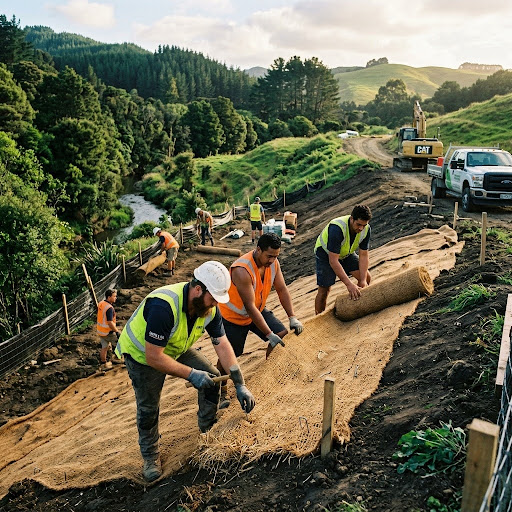
Soil erosion is a silent threat that creeps up on property owners long before the damage becomes obvious. A little runoff here, a small washout there—and before you know it, your yard, foundation, or commercial site is facing serious structural and aesthetic problems. Whether you’re managing a sprawling residential lot or a bustling construction site, protecting your land from erosion isn’t just a nice-to-have. It’s essential to preserving your investment.
At Cypress Edge Construction, we’ve seen firsthand how quickly unchecked erosion can turn a beautiful landscape into a costly headache. Water doesn’t discriminate—it will find the path of least resistance, carving through soil, undermining foundations, and washing away the very ground your property sits on. The good news? With the right approach, erosion is entirely preventable.
This post breaks down what causes erosion, why it matters more than most property owners realize, and how proactive planning can save you thousands in future repairs.
What Causes Soil Erosion on Residential and Commercial Properties?
Erosion happens when soil is displaced by natural forces like water, wind, or gravity, and it’s rarely caused by just one factor. Several conditions typically work together to accelerate the problem:
- Steep slopes: Properties with significant grade changes are especially vulnerable to water runoff during heavy rains.
- Poor drainage systems: When water has nowhere to go, it pools and eventually finds its own destructive path.
- Sparse vegetation: Grass, shrubs, and trees anchor soil in place. Without adequate ground cover, soil becomes loose and easily displaced.
- Construction activity: Excavation and grading disturb natural soil structures, leaving exposed dirt susceptible to erosion until proper stabilization is in place.
Understanding these root causes is the first step toward building a property that can withstand the elements year after year.
Why Erosion Control Matters More Than You Think
It’s easy to underestimate erosion until it starts affecting your property in visible ways—cracked driveways, sinking foundations, or a yard that turns into a muddy mess every time it rains. But the consequences run deeper than curb appeal.
Left unaddressed, erosion can compromise the structural integrity of retaining walls, driveways, and even home foundations. It can also lead to sediment runoff that clogs storm drains and pollutes nearby waterways, creating regulatory headaches for commercial property owners. For anyone investing in new construction or land development, erosion control isn’t a box to check off. It’s a critical part of protecting the long-term value of the property.
The financial argument alone makes a compelling case. Repairing foundation damage or re-grading a washed-out yard costs significantly more than investing in preventative measures from the start.
Proven Methods for Managing Soil and Water Runoff
Effective erosion management typically involves a combination of strategies tailored to the specific characteristics of a property. Some of the most reliable methods include:
Retaining Walls
Retaining walls hold back soil on sloped properties, preventing gravity and water from pulling loose dirt downhill. They’re particularly effective on properties with dramatic elevation changes.
Strategic Grading
Proper grading directs water away from structures and toward designated drainage areas, reducing the risk of pooling and runoff-related soil displacement.
Vegetative Cover
Planting grass, native shrubs, and deep-rooted plants helps stabilize soil naturally. Root systems act like a net, holding soil particles in place even during heavy rainfall.
Drainage Systems
French drains, catch basins, and properly installed gutters all play a role in managing where water goes once it hits the ground, keeping it from accumulating in vulnerable areas.
Each of these solutions works best when customized to the property’s terrain, soil type, and climate conditions. A one-size-fits-all approach rarely delivers lasting results.
How Cypress Edge Construction Builds Land That Withstands the Elements
Erosion Control solutions are most effective when they’re tailored to each property’s unique combination of slope, soil composition, and drainage challenges, rather than relying on cookie-cutter approaches that may not hold up over time. A long-term strategy for preventing soil loss and safeguarding your property’s foundation begins with a thorough site assessment—something we prioritize on every project we take on.
Our team evaluates the specific conditions of your land before recommending a plan, whether that means installing retaining walls, regrading for better water flow, or integrating vegetative solutions that blend seamlessly into the surrounding landscape. We believe erosion prevention should work with your property’s natural features, not against them.
Because we handle everything from initial excavation to final grading, we’re able to build erosion prevention into the construction process from day one rather than treating it as an afterthought. That proactive mindset has helped countless property owners avoid the costly repairs that come with reactive fixes.
If you’re planning new construction, renovating an existing property, or simply noticing early signs of soil displacement, addressing the issue now will save you significant time and money down the road.
Protect Your Investment Before Erosion Takes Its Toll
Soil erosion doesn’t wait for a convenient time to strike, and the damage often accumulates gradually until it becomes a major problem. Taking action early—whether through better drainage, retaining walls, or strategic landscaping—puts you ahead of the curve and protects the long-term value of your property.
Cypress Edge Construction has helped property owners across the region build stronger, more resilient landscapes that stand up to the elements. If you’re ready to discuss a customized plan for your property, reach out to our team today. We’ll assess your site’s specific needs and help you build a foundation that lasts.

