







Climate is one of the biggest factors in how long your roof lasts — and how much it costs to maintain. In hot regions, UV rays quickly break down materials. In rainy climates, even small leaks can turn into big problems. And in windy areas, your roof needs to stay put under constant pressure. Everything — from the covering to the slope and fasteners — has to match your local conditions. Otherwise, cheap choices lead to expensive repairs.
Each type of weather presents its own risks: heat degrades bitumen, rain causes rust, wind tears off panels. Choosing the right roof helps you avoid most of that. Building codes may suggest the basics, but the final call is yours — and you’ll want a roof that won’t fail the moment the weather changes.

How to Start Off on the Right Foot
If you’re choosing roofing material to suit your local climate — whether it’s heat, wind, or heavy rain — you shouldn’t rely only on advice from a hardware store. A much smarter move is to study real specs, comparisons, and what other homeowners say. For example, on https://kompaqroofing.com.au/ you can find curated material comparisons by climate type, with an emphasis on durability, corrosion protection, and UV resistance. This isn’t marketing talk — spending an hour reviewing such resources can save you tens of thousands in repairs in a few years. Especially now, when the weather is getting less predictable, and your roof must handle change. These sources give you a clear idea before you commit to anything.

Heat: How It Impacts Roofing Materials
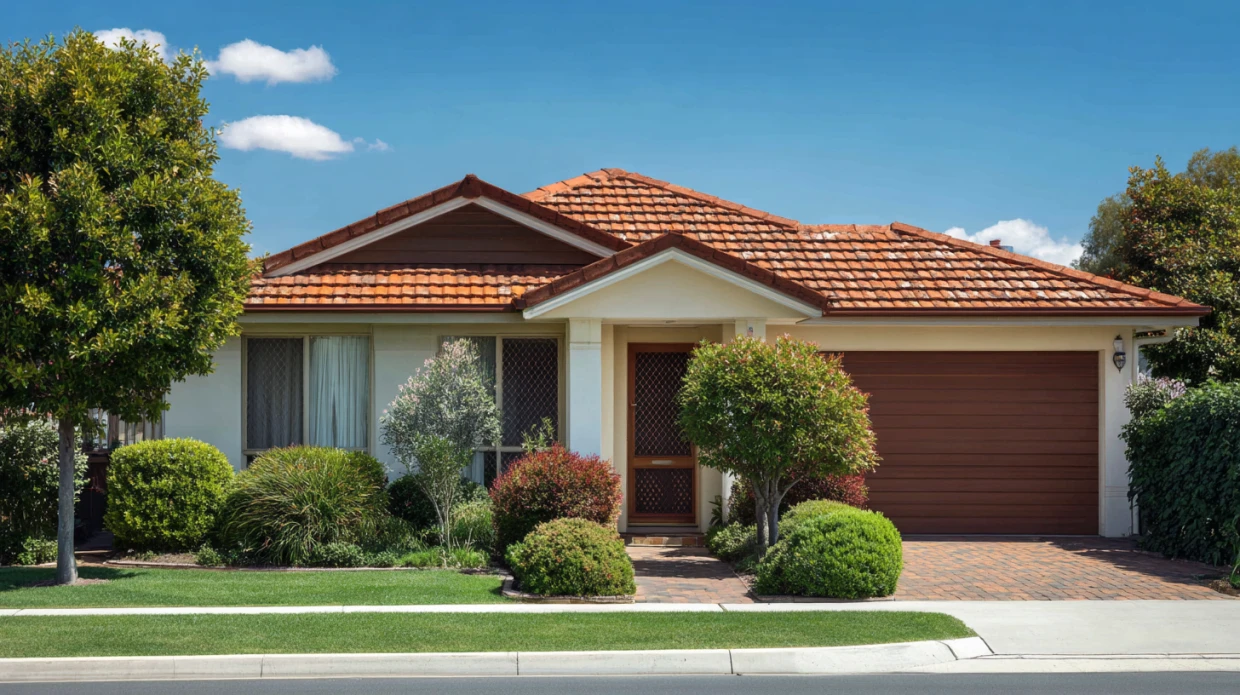
Heat causes expansion and deformation in materials, especially in bitumen or soft coverings, leading to surface cracks. Metal sheets get hot, reflect some heat, but without thermal insulation, the attic becomes an oven. Clay or ceramic tiles resist strong sun well, but they’re heavy and require reinforced rafter systems. Light-colored coverings reduce heat — they reflect much of the solar energy, reducing heat load on the house. In hot climates, ventilation is vital: it helps expel trapped heat and moisture, reducing risk of condensation. Materials with UV protection or polymer layers keep their color and structure longer under harsh sunlight.
Best materials for hot climates:
- Metal with heat-reflective coating
- Light composite shingles
- Clay or ceramic tile
- Light-colored membrane roofs (PVC, TPO)
- Roofs with reflective or pearly surface finishes
These materials tend to last longer and perform better under scorching sun, reducing maintenance and discomfort inside.

Roof Restoration with Climate in Mind
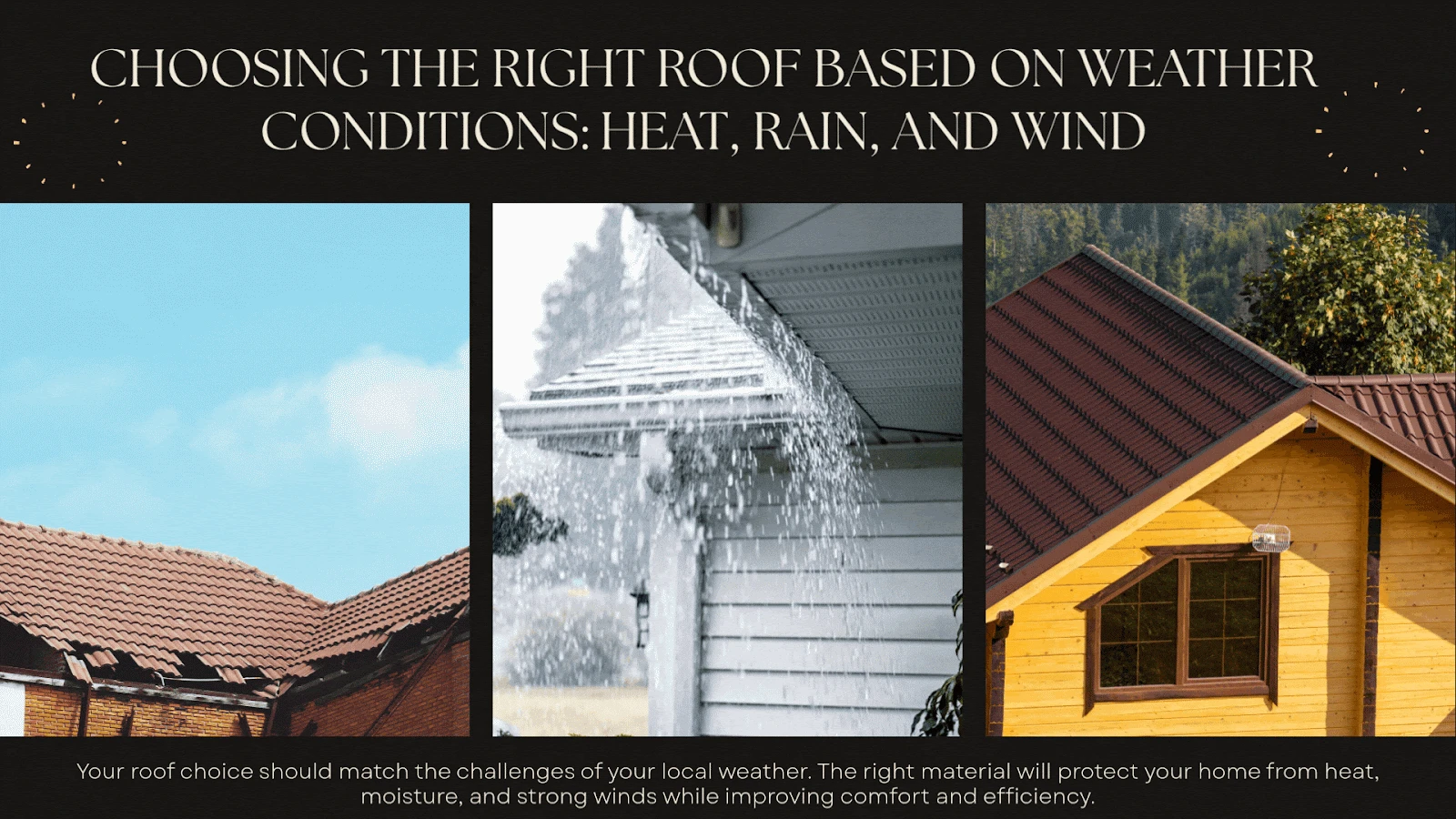
A new roof isn’t always about building new — often it’s part of restoring an old house. Here, you need to understand: if the old covering failed, maybe it never suited your climate. Or the climate has shifted, and the old system can’t cope anymore. When restoring, it makes sense not just to replace the surface, but to re-evaluate the whole system: do you need better ventilation, can the rafters support modern materials, what about wind loads? It’s especially important in wooden structures — moisture, rot, or weakened joints may already have done damage. Also, many old roofs lack proper insulation or airflow. So restoration https://kompaqroofing.com.au/roofing/ is your chance not just to refresh, but to rebuild wisely with current climate realities in mind. Otherwise, you risk repeating old mistakes, just faster.

Rain and Humidity: What Happens to a Roof
Rain and humidity impose constant, sneaky stress: water seeps into seams, under shingles, into coating pores. Wood beneath the roofing begins to rot, mold and mildew appear, weakening the structural frame. Metal components rust, especially if protective layers are substandard or missing. Poorly sealed joints or low-quality caulking allow water to force its way inside — slope might be steep or shallow; it doesn’t matter if sealing’s bad. In areas with frequent rains, metal or plastic gutters and quality downspouts are essential. Outdoor moisture, dew overnight — all this leads to condensation that builds up under the roofing and within insulation. And if the roof doesn’t drain water — it will absorb it; leaks become not just a nuisance but a structural threat. Regular inspections, resealing, cleaning vent gaps — these are nonnegotiables in humid climate zones.

Wind and Its Effects on Your Roof
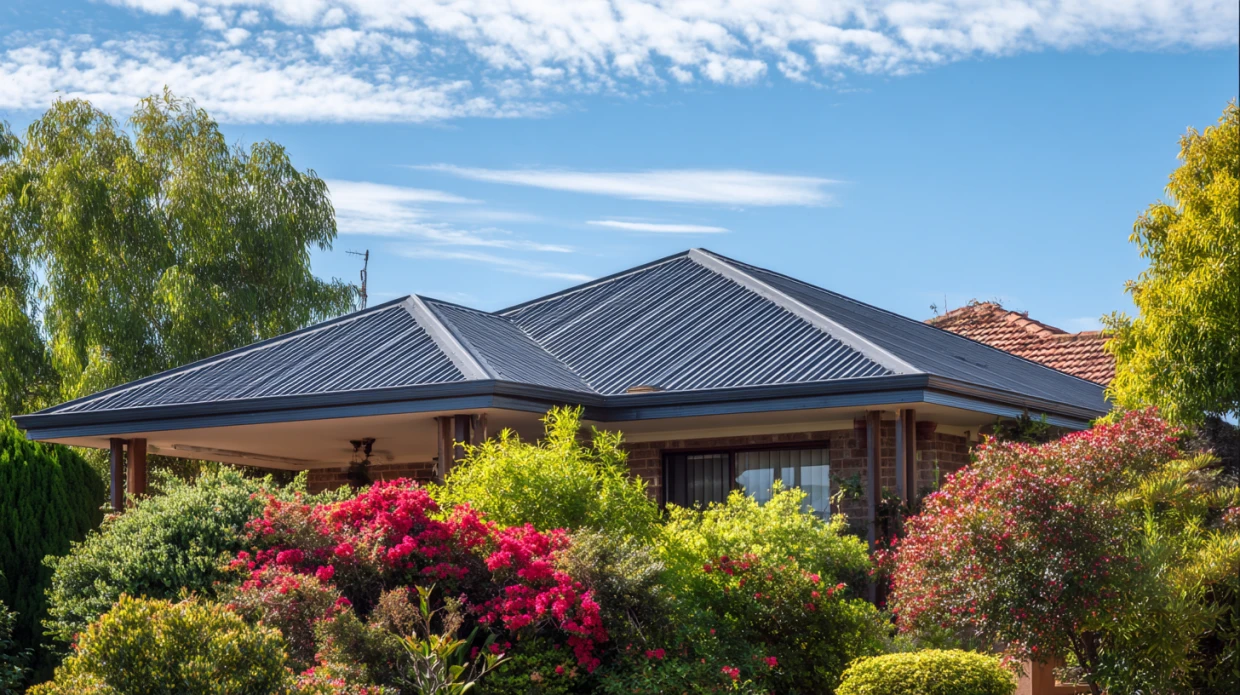
Wind exerts not just sideways force, but upward lift, especially around roof edges and ridges. Light materials under gusts can rip off — underestimating fasteners leads to surprising damage, like shingles tearing off with the eaves. High-wind areas require stronger roof framing, more fasteners, special seam designs, and locking systems. Wind load depends on your building’s height and how exposed the site is: a house on a hill feels more force than one sheltered by trees or other buildings. Profiled metal panels with locking seams, modular shingles with overlapping layers, standing seam steel roofs — all help resist wind damage. Also, vents, ridge caps, and other protrusions need protection, because those are often weak points attacked by wind uplift. Smooth surfaces can vibrate in wind, loosening fasteners or sealants over time. If you build in a margin of safety for wind, repairs will be much less frequent and less costly.

Roof Shape and Climate — Finding the Right Balance
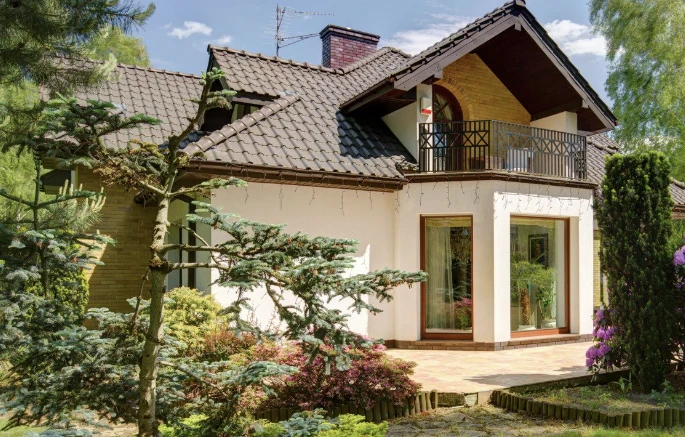
The shape of your roof should mirror your region’s climate: a steep-sloped roof excels in snowy and rainy places because snow and water slide off fast. In places with rare snow, a gentle pitch or even near-flat roof may be more practical — it simplifies the use of roof terrace or living space under the roof. Single-slope roofs work well where wind comes mostly from one direction; they’re lighter and cheaper to build, though demand careful framing. Flat roofs can suit warm areas and modern architectural styles, but only if drainage and waterproofing are done excellently. Gable (double-pitched) roofs are versatile for many climates: they shed water and snow, and provide attic space.
7 key rules for selecting roof by climate:
- Study both average and extreme temperatures in your region
- Determine typical humidity and how often heavy precipitation occurs
- Check wind maps and maximum expected gusts
- Choose materials with protections (anti-corrosion, UV resistance, waterproofing)
- Plan roof slope and shape suitable for snow, rain, and wind exposure
- Ensure good ventilation and water drainage systems
- Design fasteners and rafter framework with margin for durability
Following these guidelines leads to a roof that works with your climate, not against it, minimizing surprises and costs.

Climate isn’t optional when planning a roof — it shapes everything. Heat, rain, wind each impose different demands, and ignoring them sets you up for frequent repairs. It’s much better to invest once in the right material, roof shape, and fastening system than pay repeatedly for mistakes. With the right choices, your roof will last longer, keep your home comfortable and safe, and lower upkeep costs. And if you accurately assess your climate upfront — you avoid surprises like leaks, rot, or parts blowing off. Price alone should never be your guide: a cheap roof without climate consideration often ends up costing more.

