






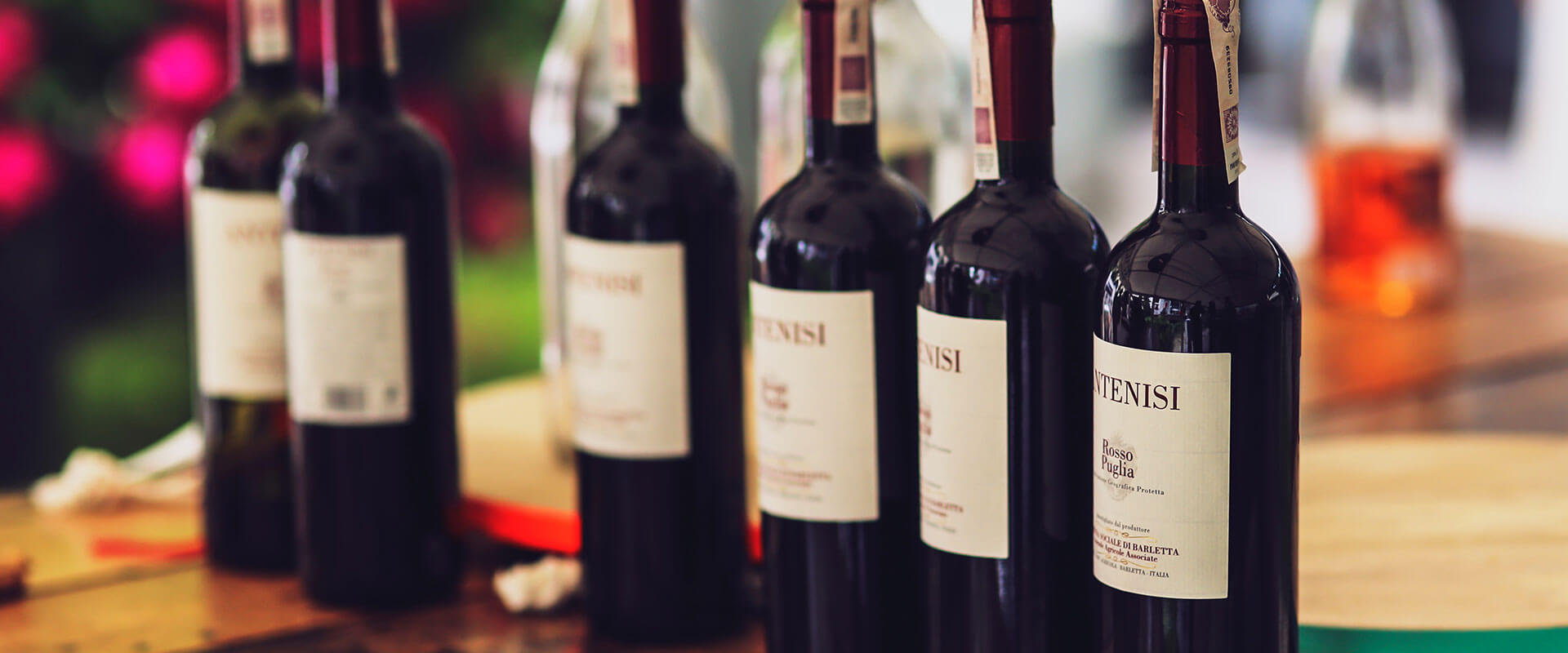
Wine is a timeless staple in the hospitality industry, and offering it in the most efficient, profitable, and customer-friendly way is crucial for any business. Whether you run a high-end restaurant, a casual wine bar, or a luxury hotel lounge, selecting the right commercial wine dispenser can enhance your service, reduce waste, and improve customer satisfaction.
With the rise of automated and temperature-controlled wine dispensing systems, businesses now have more options than ever. But with so many features, brands, and models available, how do you choose the best wine dispenser for your needs?
In this comprehensive guide, we’ll explore the different types of wine dispensers, key features to look for, and how to select the best solution based on your business type and goals.
The Importance of a Wine Dispensing Solution
A commercial wine dispenser is more than just a serving tool—it’s an investment in efficiency, quality control, and profitability. Here’s why businesses should consider integrating one into their operations:
- Preserves Wine Freshness – Properly sealed dispensers prevent oxidation, maintaining the quality and taste of each pour.
- Reduces Waste – By controlling portion sizes, dispensers minimize over-pouring and spoilage.
- Enhances Customer Experience – Customers can enjoy fresh wine by the glass without concerns about deterioration.
- Boosts Sales – Automated systems can encourage customers to try premium wines they wouldn’t normally purchase.
Now, let’s dive into the different types of wine dispensing solutions available on the market.
Types of Wine Dispensing Solutions
Several types of wine dispensers exist, each catering to different business needs. Understanding these options will help you make an informed decision.
1. Automated Wine Dispensing Machines
Automated wine dispensers allow customers to serve themselves with a simple push of a button or a prepaid card system. These machines offer precise pour sizes (tastings, half glasses, or full glasses), making them ideal for:
- Wine bars
- Tasting rooms
- Self-serve wine lounges
Pros:
✔ Reduces labor costs
✔ Encourages customer interaction and engagement
✔ Allows businesses to offer premium wines by the glass
Cons:
✘ Higher initial investment
✘ Requires routine maintenance
2. Countertop Wine Dispensers
Compact and easy to install, countertop dispensers are perfect for businesses with limited space. These units maintain wine freshness and are ideal for:
- Small restaurants
- Hotel lounges
- Coffee shops offering wine service
Pros:
✔ Space-saving design
✔ Affordable compared to larger systems
✔ Great for small-batch wine service
Cons:
✘ Limited bottle capacity
✘ May not be suitable for high-volume establishments
3. Under-Counter Wine Systems
Under-counter dispensers are built into bars and allow servers to quickly pour wine while maintaining optimal serving temperatures. They’re a popular choice for:
- High-end restaurants
- Luxury hotel bars
- Upscale event venues
Pros:
✔ Maintains a sleek and elegant look
✔ Preserves multiple wines at different temperatures
✔ Reduces bottle handling and waste
Cons:
✘ Requires installation and adequate bar space
✘ Can be more expensive than countertop units
4. Keg Wine Dispensing Systems
Wine-on-tap is becoming increasingly popular, especially for businesses that serve large volumes of wine. These systems use stainless steel kegs to store and dispense wine efficiently.
Ideal for:
- Wine bars
- Breweries and taprooms
- Restaurants with high wine sales
Pros:
✔ Reduces bottle waste and corkage issues
✔ Keeps wine fresh for months
✔ Faster service with less handling
Cons:
✘ Requires keg-compatible wine suppliers
✘ Initial setup costs can be high
Key Features to Consider When Choosing a Commercial Wine Dispenser
Now that you’re familiar with different types of wine dispensers, it’s time to evaluate the key features that make a dispenser the right fit for your business.
1. Capacity & Bottle Compatibility
Consider how many bottles the dispenser can hold at one time. A small dispenser may be suitable for a boutique café, while a large-volume restaurant may require multiple units. Also, check if the dispenser accommodates standard 750ml bottles, magnums, or even boxed wines.
2. Preservation System
Wine dispensers use different preservation methods to maintain freshness:
- Vacuum Sealing – Removes oxygen to slow down oxidation.
- Nitrogen or Argon Gas Injection – Creates a protective layer to prevent spoilage.
- Temperature Control – Ensures wine is stored at the optimal serving temperature.
For high-end wines, opt for a system with nitrogen or argon gas preservation for maximum longevity.
3. Temperature Control
White and red wines require different storage temperatures. Some dispensers have separate temperature zones, allowing businesses to serve multiple wine types at their ideal conditions.
- Red wine: 55-65°F (13-18°C)
- White wine: 40-50°F (4-10°C)
4. Portion Control & Customization
A commercial wine dispenser should allow businesses to pre-set portion sizes to minimize waste and optimize profitability. Look for models that offer different serving sizes, such as:
- Tasting pour (2 oz.)
- Half glass (4 oz.)
- Full glass (6 oz.)
Automated dispensers with customizable portions let you control costs while offering customers flexible options.
5. User-Friendliness & Maintenance
Ease of use is essential for both customers and staff. Choose a system with intuitive controls, simple loading mechanisms, and minimal maintenance requirements.
Also, check for features like:
✔ Self-cleaning systems
✔ Easy-to-replace gas canisters
✔ Low maintenance costs
6. Aesthetic & Space Considerations
Your wine dispenser should complement the ambiance of your establishment. Sleek, modern dispensers enhance the look of high-end venues, while rustic or vintage designs may suit traditional wine bars.
Additionally, ensure the dispenser fits within your available space without disrupting workflow.
Selecting the Right Wine Dispenser Based on Business Type
🍷 Restaurants & Fine Dining
- Best Choice: Under-counter dispensers or countertop units
- Why? These options offer seamless service and maintain wine quality for premium selections.
🍷 Wine Bars & Tasting Rooms
- Best Choice: Automated wine dispensers or keg systems
- Why? Self-service options attract customers, and keg wine reduces costs.
🍷 Hotels & Lounges
- Best Choice: Countertop or under-counter dispensers
- Why? These provide an elegant, space-efficient solution for high-end service.
🍷 Casual Dining & Cafés
- Best Choice: Small countertop dispensers
- Why? They’re cost-effective and easy to manage for limited wine service.
🍷 Events & Catering Services
- Best Choice: Portable wine dispensers or keg systems
- Why? These allow for flexible wine service in different locations.
Conclusion
Choosing the right commercial wine dispenser can revolutionize your wine service, improving efficiency, customer experience, and overall profitability. By considering factors like capacity, preservation method, temperature control, and ease of use, you can find a system that aligns perfectly with your business needs.
Whether you’re looking to reduce waste, offer a high-end experience, or streamline service, investing in the right wine dispensing solution is a step toward a more profitable and enjoyable wine program.
Ready to elevate your wine service? Start exploring the best commercial wine dispensers on the market today!

