




For decades, the standard tripod looked the same: three straight, telescoping legs and a head on top. It works well on flat ground and gives you height, but it assumes the world will cooperate. Anyone who has tried to set one up on a rocky slope, a crowded café table, or a narrow balcony rail knows that it often does not.
Flexible tripods took a different approach. Instead of asking you to find level ground, they bend to fit whatever is available. Segmented legs can stand on uneven terrain, wrap around a fence post, or grip a tree branch. That simple idea has made them a fixture in camera bags, from casual travelers to professional content creators.
This article compares flexible and rigid designs honestly, looks at where bendable legs clearly win, where traditional tripods still make sense, and how to get stable, professional results from a flexible model. If you have wondered whether the bendy option is a gimmick or a genuine tool, the answer is below.
Rigid Legs Versus Flexible Legs
A rigid tripod is built for height and repeatability. Extend the legs, level the head, and you have a stable platform at eye level. That makes it a strong choice for studio portraits, long exposures on flat ground, and heavy telephoto lenses.
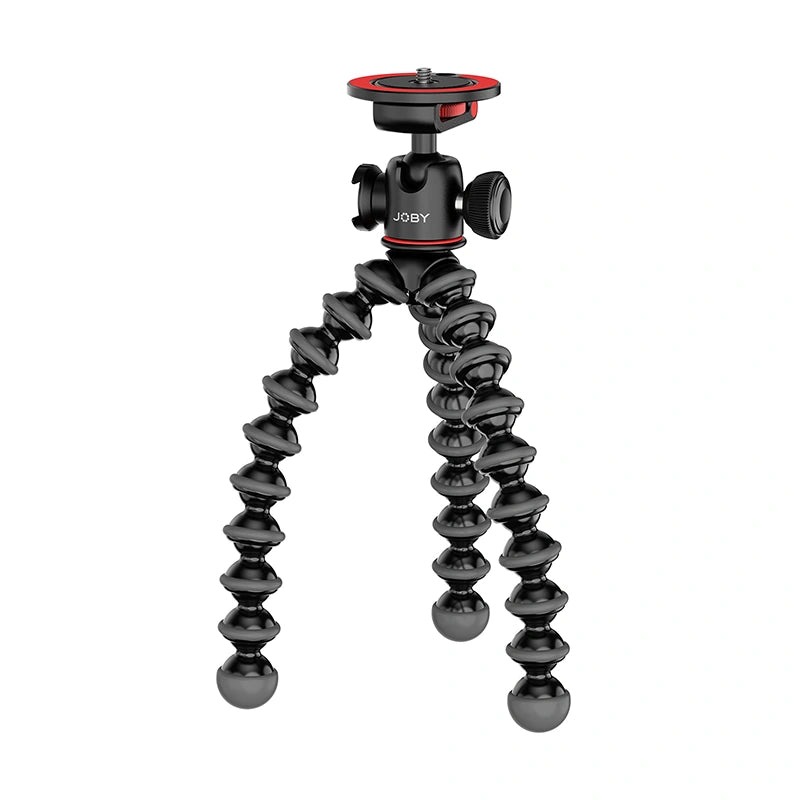
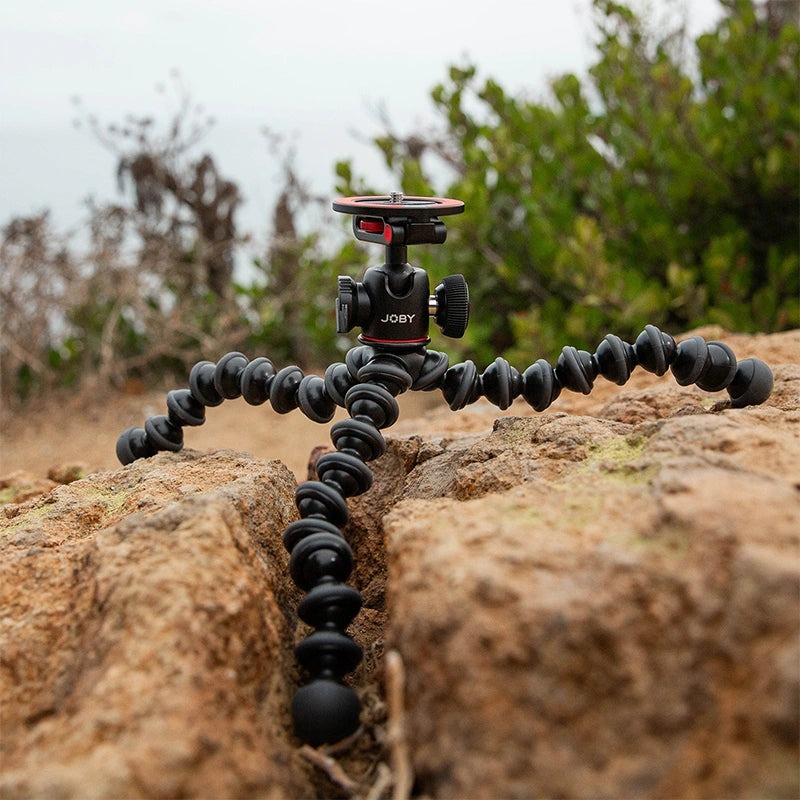
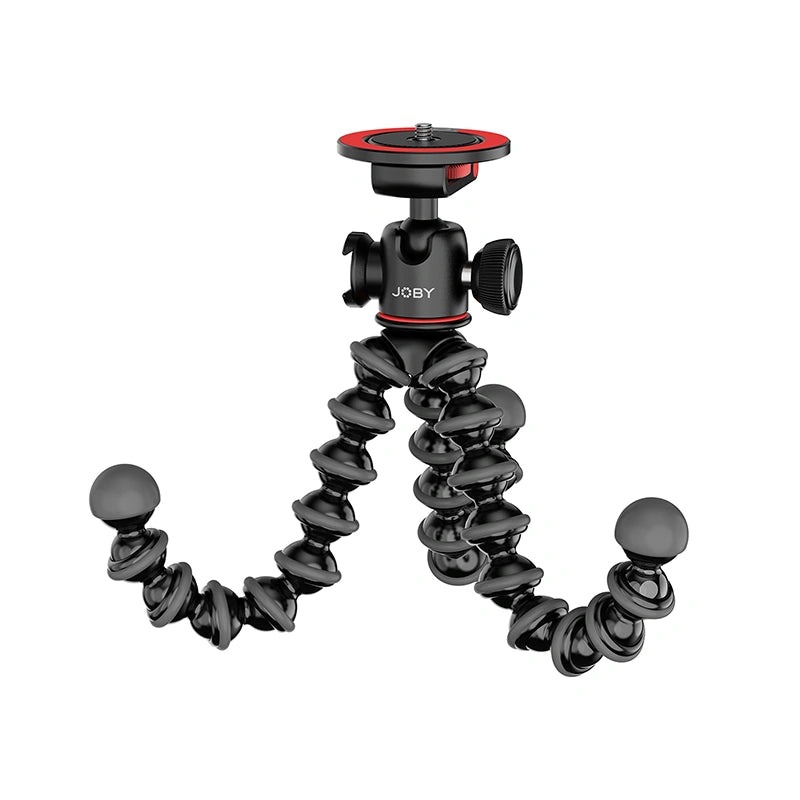
The trade-off is flexibility, literally. Rigid legs need space to spread, a reasonably even surface, and time to adjust. They are also bulky to carry. A gorillapod tripod trades height for adaptability. Its ball-and-socket leg segments bend into almost any shape, letting it balance on uneven rocks or wrap around objects where a rigid tripod could never stand.
In practice, the question is not which design is better overall, but which one fits the shots you take most often. For many photographers and videographers, the answer turns out to be the flexible one.
Where Bendable Legs Clearly Win
Flexible tripods shine in exactly the places traditional tripods struggle. Recognizing those situations helps you reach for the right tool without hesitation.
Travel and Urban Shooting
Cities rarely offer open, level ground. Railings, lamp posts, benches, and bike racks are everywhere, and a flexible tripod turns all of them into mounting points. It also packs small enough to clip to a backpack, so you are more likely to carry it on a long day of sightseeing.
Hiking and Outdoor Adventures
On a trail, rocks and roots make rigid legs awkward. Bendable legs can hug a boulder or grip a branch, giving you a stable platform for group photos, time-lapses of moving clouds, or night sky shots without adding much weight to your pack.
Vlogging and Content Creation
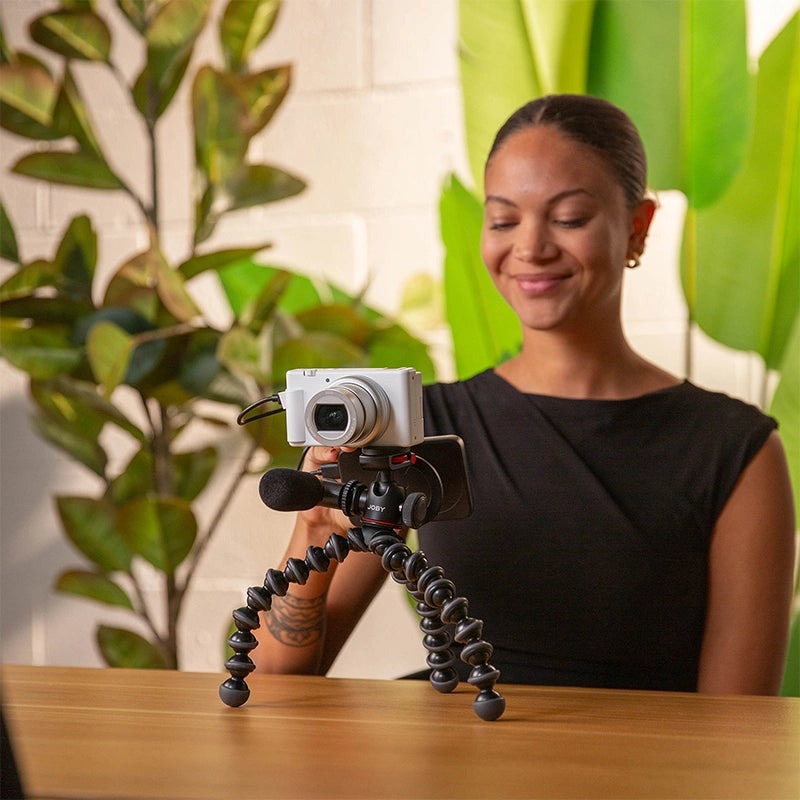
Creators often need a tripod that doubles as a handheld grip. Fold the legs together and you have a short handle for walk-and-talk footage. Spread them apart and you have a tabletop stand for sit-down clips. That constant switching is where flexible designs save real time.
Tight Indoor Spaces
In small apartments, restaurants, and event venues, there is rarely room for full tripod legs. A flexible model can sit on a shelf, wrap around a chair back, or perch on a windowsill without blocking walkways.
When a Traditional Tripod Still Makes Sense
Flexible tripods are not the answer to everything, and pretending otherwise leads to frustration. If you regularly need eye-level height without a nearby object to wrap around, rigid legs remain the simpler option. The same applies to very heavy camera and lens combinations that exceed what a flexible model is rated to carry, and to precise architectural or panoramic work where a perfectly level base matters.
Many photographers end up owning both: a full-size tripod for planned, static shoots and a flexible one for everything else. If you can only choose one, think about the last several times you wished you had a tripod. If most of those moments happened on the move, flexible is likely the better fit.
Getting Stable Results From a Flexible Tripod
Bendable legs are forgiving, but technique still matters. A few habits turn a good setup into a rock-solid one.
- Wrap legs with as much contact as possible rather than using just the tips.
- Keep the camera’s weight centered above the base so the tripod does not tip.
- Match the model to your gear; heavier cameras need a model rated for that load.
- Use a remote, timer, or app trigger to avoid shaking the camera when you press record.
- Test stability with a gentle tap before you walk away from the setup.
When wrapping around a pole or branch, twist two legs around the object and use the third as a brace against it. This triangle of support resists both slipping and rotation, which is especially helpful in wind.
Creative Shots Only Bendable Legs Can Reach
Beyond practicality, flexible legs unlock compositions that are simply hard to achieve any other way. Because the tripod can attach almost anywhere, your choice of viewpoint is no longer limited by where three rigid legs can stand.
Try wrapping the tripod around a tree branch above a trail to capture hikers walking beneath. Clip it to a stair railing to shoot straight down a spiral staircase. Rest it low against a curb for a dramatic street-level view of passing bikes, or curl it around a car headrest to record a conversation from the back seat. Each of these angles gives footage a distinct look that viewers notice, even if they cannot say why.
Flexible legs also make low-angle photography far easier. Many striking landscape and macro images are taken just above the ground, where rigid tripods need awkward leg spreads. Bend the legs outward, keep the camera close to the surface, and you can frame flowers, puddle reflections, or pebble textures with minimal effort. Pair these low shots with a remote trigger to avoid disturbing the setup when you press the shutter.
Caring for Ball-and-Socket Legs
The joints that make flexible tripods so versatile also need a little attention to stay firm. Sand, dust, and grit can work their way between segments, gradually reducing grip. After a beach or desert trip, brush the legs off, rinse them lightly if the manufacturer allows it, and let them dry fully before storing.
Avoid forcing joints into extreme bends repeatedly, and store the tripod in a relaxed shape rather than twisted tightly around an object. Over time, you will develop a feel for how much tension each leg holds. If one begins to feel loose, check the maker’s guidance before continuing to trust it with heavier gear.
Choosing the Right Flexible Model
Flexible tripods come in several sizes. Smaller versions are ideal for phones and compact cameras, while larger ones support mirrorless cameras and even some DSLRs with modest lenses. The most important step is to match the tripod’s load rating to your heaviest setup, including accessories like a microphone or light.
JOBY introduced the bendable-leg design that popularized this category, and its range now spans from pocket-sized phone models to sturdier versions for interchangeable-lens cameras. Some models pair with a ball head, which makes it easier to level the camera once the legs are shaped.
Think about how you will attach your camera as well. A quick-release plate lets you move between the tripod and a handheld grip in seconds, while a phone clamp adapter extends the same tripod to your smartphone. Planning these small details upfront means your tripod adapts as your gear changes.
Flexibility That Earns Its Place in Your Bag
Rigid tripods still have a role, especially for tall, level, or very heavy setups. For most everyday shooting, though, flexibility wins. Bendable legs handle uneven ground, wrap around railings and branches, fit on crowded tables, and fold into a handheld grip, all while staying light enough to carry every day.
The key is using the design well. Maximize leg contact, keep weight centered, respect load ratings, and trigger the shutter without touching the camera. Choose a size that matches your heaviest gear, and consider a ball head or quick-release plate for faster adjustments.
If your best shots tend to happen on the move rather than in a studio, a flexible tripod is less a novelty and more an essential tool. It lets you say yes to angles and locations that would otherwise be out of reach.

