






There’s a specific moment that pushes people toward self-hosting: a price hike on a subscription they’d come to depend on, or a news story about how a provider handles user data. That moment is happening more often as AI tools become part of daily routines, and it’s driving renewed interest in the personal ai server as a category, rather than a niche hobbyist pursuit.
This piece is for people asking a practical question: is it actually feasible to run meaningful AI workloads on hardware I own, without a data center or a computer science degree? Home lab enthusiasts already comfortable with self-hosted services, privacy-focused professionals who want AI without the data exposure, and small business owners tired of unpredictable software bills are the ones most likely to find a real answer here. We’ll cover what a personal AI server needs to actually deliver, how it differs from a general home server, and how to set expectations correctly before diving in.
What Makes a Server “Personal AI Ready”
Not every home server can handle AI workloads gracefully. Running language models, image generation, or voice assistants requires enough memory and processing headroom to keep response times reasonable, along with storage architecture that can handle the read patterns AI applications generate. A server built for file storage or media streaming often struggles once AI inference gets added to the mix, because the resource profile is fundamentally different.
This is why purpose-built personal AI hardware has become its own category rather than a repurposed general-purpose server. Devices designed from the start for this use case allocate memory and processing power with AI workloads specifically in mind, rather than treating them as an afterthought bolted onto a NAS.
Balancing Power Consumption With Capability
A server that runs 24/7 needs to justify its power draw, especially in a home environment where every watt shows up on a utility bill. The sweet spot for most personal AI use cases isn’t the most powerful hardware available, but the most efficient hardware that still comfortably handles the workloads you actually run. Overbuying capacity that sits idle most of the time is a common and avoidable expense.
Setting Up Without the Steep Learning Curve
The biggest historical barrier to personal AI servers wasn’t hardware cost, it was complexity. Configuring inference engines, managing model files, and building an accessible interface used to require real systems administration skill. Platforms designed specifically for this purpose have closed much of that gap by bundling the model runtime, storage, and application layer into a single coherent system.
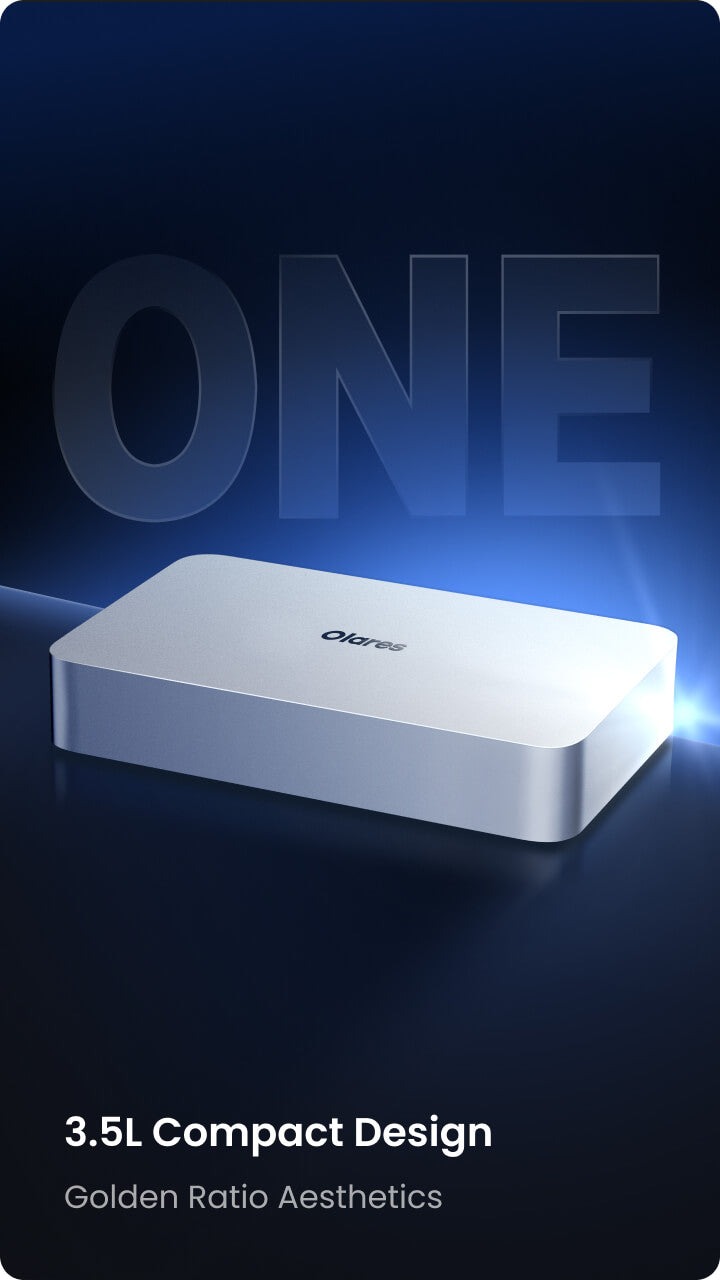
Olares One is built around this idea, offering hardware designed specifically to run a private AI cloud at home, so the setup process focuses on configuring what you want to do rather than assembling the underlying pieces from scratch. That distinction matters most in the first week of ownership, when frustration with setup is what usually causes people to abandon self-hosting altogether.
What Day-to-Day Use Actually Looks Like
Once running, a personal AI server should feel less like a technical project and more like an appliance. Access through a phone or laptop should work whether you’re on the home network or away from it, and routine maintenance like updates should happen with minimal manual intervention. If daily use still feels like operating a server, the setup hasn’t achieved what it’s meant to.

Weighing the Real Tradeoffs
Owning a personal AI server isn’t strictly better than using cloud services in every dimension. You take on responsibility for hardware failures, and you’re limited by the compute you’ve purchased rather than being able to scale instantly. What you gain in exchange is predictable costs, full control over your data, and independence from a provider’s pricing or policy changes.
For small business owners specifically, this tradeoff often favors ownership once usage reaches a certain volume, since a one-time hardware cost frequently undercuts the long-run total of a growing subscription. The break-even point varies by use case, but it’s worth calculating honestly rather than assuming either option is automatically cheaper.
Deciding If Home-Hosted AI Fits Your Needs
A personal ai server isn’t a magic fix for every AI use case, but for the people it fits, it solves real problems: unpredictable subscription costs, data leaving your control, and dependence on services that can change terms without warning. The technology has matured enough that setup no longer requires deep technical expertise, just a willingness to learn a new system.
If you’re weighing whether this is worth pursuing, start by identifying the AI tasks you currently pay for or worry about, and evaluate whether running them locally actually solves a problem you have. That answer will tell you more than any spec sheet.

