







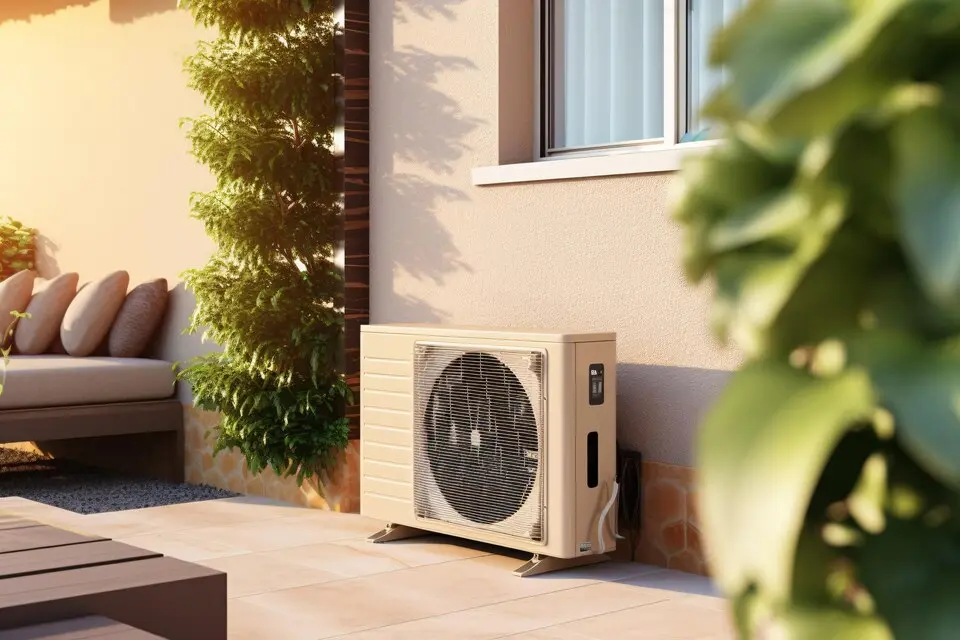
Heat pumps are an essential part of many modern homes, providing both heating and cooling throughout the year. Over time, however, even well-maintained systems begin to lose efficiency and performance. Knowing when to consider a heat pump replacement can help homeowners avoid rising energy costs and unexpected system failures.
Many homeowners continue using aging systems without realizing how much efficiency has declined. As components wear down, the system must work harder to maintain indoor temperatures, leading to increased energy consumption and reduced comfort. Recognizing the need for a heat pump replacement early allows for a more cost-effective and timely upgrade.
A properly installed heat pump replacement can significantly improve performance, reduce energy bills, and create a more consistent indoor environment. Understanding the process helps homeowners make informed decisions about upgrading their HVAC systems.
Signs That Indicate a Heat Pump Replacement Is Needed
Heat pumps typically last between 10 to 15 years, depending on usage and maintenance. As systems age, they often begin to show signs that a heat pump replacement may be more practical than continued repairs.
One common indicator is frequent breakdowns. If repairs become more frequent or costly, investing in a heat pump replacement often provides better long-term value. Another sign is inconsistent temperature control, where some areas of the home feel too warm or too cool.
Rising energy bills without a clear explanation can also signal declining efficiency. When a system consumes more energy to deliver the same performance, it is often time to consider a heat pump replacement.
Declining Efficiency and Increased Operating Costs
Older systems often struggle to maintain efficiency due to worn components and outdated technology. This inefficiency can lead to noticeable increases in energy usage over time.
As systems lose efficiency, they must run longer cycles to maintain the desired temperature. This extended operation not only raises utility costs but also accelerates wear on internal components, making heat pump replacement a more practical option.
Choosing a modern heat pump replacement in Bellevue allows homeowners to benefit from improved efficiency and lower operating costs.
Comparing Older Systems With Modern Heat Pump Replacement Options
Advancements in HVAC technology have significantly improved modern systems. A heat pump replacement today often includes features such as variable-speed compressors and advanced temperature control.
These systems adjust output based on demand, resulting in more consistent comfort and reduced energy consumption. Older units lack these capabilities, which is why heat pump replacement often leads to noticeable performance improvements.
Upgrading provides better control over indoor conditions while reducing long-term energy expenses.
Inconsistent Heating and Cooling Performance
A properly functioning system should maintain even temperatures throughout the home. When performance becomes inconsistent, it may indicate that a heat pump replacement is necessary.
Hot and cold spots can result from reduced airflow or failing components. These issues often worsen over time and cannot always be resolved with simple repairs.
A heat pump replacement restores consistent temperature control and improves overall comfort. New systems are designed to distribute air more effectively and maintain stable indoor conditions.
Frequent Repairs and Maintenance Concerns
As systems age, the need for repairs increases. While occasional maintenance is expected, repeated service calls can become both inconvenient and costly.
If repairs are becoming more frequent, it may be more cost-effective to move forward with a heat pump replacement. This eliminates ongoing repair expenses and provides a more reliable solution.
When Heat Pump Replacement Becomes the Better Investment
Homeowners often struggle with deciding between repair and replacement. A common guideline is that if repair costs continue to rise, heat pump replacement offers better long-term value.
A new system reduces uncertainty and provides improved efficiency, helping homeowners avoid recurring issues. Making the decision at the right time ensures better performance and cost savings.
The Heat Pump Replacement Process Explained
A heat pump replacement involves several steps to ensure the new system operates correctly. The process typically begins with an evaluation of the home’s heating and cooling needs.
Proper sizing is essential for effective performance. An incorrectly sized system can lead to inefficiency and uneven temperatures, which defeats the purpose of a heat pump replacement.
Installation includes removing the old unit, preparing the space, and installing the new system according to proper standards. A well-executed heat pump replacement ensures long-term reliability.
Importance of Proper Installation During Replacement
Even the best equipment will not perform well if installed incorrectly. Proper installation is a critical part of a successful heat pump replacement.
Technicians ensure that all components are correctly connected and calibrated. This includes refrigerant levels, electrical systems, and airflow adjustments.
Attention to detail during a heat pump replacement helps prevent future problems and ensures optimal system performance.
Energy Efficiency and Environmental Advantages
Modern systems are designed with energy efficiency in mind. A heat pump replacement can significantly reduce energy consumption while maintaining consistent indoor temperatures.
Lower energy usage translates into reduced utility bills and a smaller environmental footprint. Newer systems operate more efficiently and require less energy to deliver the same level of comfort.
Upgrading through heat pump replacement supports both financial savings and environmental responsibility.
Improved Comfort and Indoor Air Quality
A new system provides better temperature regulation and improved humidity control. Heat pump replacement helps eliminate fluctuations that can make indoor spaces uncomfortable.
Enhanced airflow and filtration also improve indoor air quality. Removing dust and allergens creates a healthier environment for occupants.
These improvements make heat pump replacement a valuable upgrade for overall home comfort.
Long Term Benefits of Heat Pump Replacement
Investing in heat pump replacement provides lasting benefits for homeowners. New systems offer improved efficiency, reduced maintenance needs, and greater reliability.
Fewer breakdowns and lower repair costs make the system easier to manage over time. This reliability ensures consistent performance without unexpected disruptions.
Most importantly, heat pump replacement adds long-term value to the home. With better performance and energy efficiency, it becomes a smart investment that supports comfort and cost savings for years to come.

