


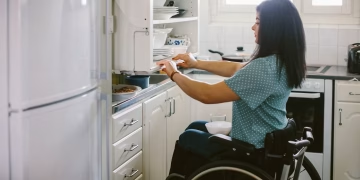




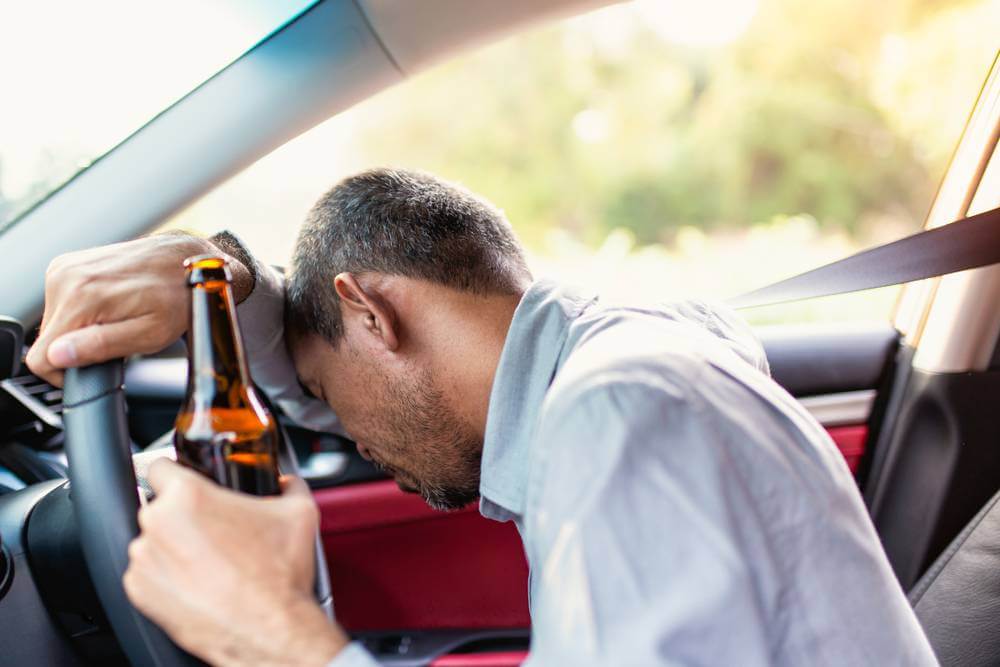
You do everything right on the road that day. You follow all the speed limits and obey the signals. Your attention is always focused ahead. Then another driver makes a reckless choice and your life changes in seconds.
Alcohol turns an ordinary crash into something far more serious. In such scenarios:
- Injuries tend to be worse
- Recovery will take longer
- Financial consequences grow faster than expected
- Questions about responsibility and compensation begin almost immediately
In New Jersey, drunk driving accidents are more than simple insurance claims. The law allows injured people to seek compensation for many types of losses. But those categories are not always obvious at first. Understanding what compensation may cover helps you plan ahead. This knowledge also helps you avoid costly mistakes during recovery.
Medical Treatment and Ongoing Care
Medical expenses are one of the largest parts of a drunk driving accident claim. Emergency room care will come first. Diagnostic tests, imaging and hospital stays may follow.
You may also need additional visits with specialists. Physical therapy may become part of your recovery process. Some injuries require a cast or surgery before improvement begins. Other injuries need extended treatment plans. Prescription medications often add to overall medical costs. Medical equipment may also increase your expenses.
Compensation can cover your past medical bills and future treatment needs. Future care will need medical opinions that explain expected recovery and limitations. Clear records can help this process.
Rehabilitation and Therapy Costs
Recovery does not always end after your initial treatment. Many people may need rehabilitation services that can go on for months. Physical therapy helps you focus on your mobility and strength. Occupational therapy will address your daily task limitations.
Cognitive therapy may be necessary if you suffer from head injuries. These services carry high costs over time. Compensation may include therapy already completed and therapy expected later.
Tracking appointments and progress can help show how your recovery is happening.
Lost Income During Recovery
Time away from work can create financial strain. You may miss workdays while attending medical appointments. Some injuries can also limit your ability to return to previous duties.
Compensation may cover wages lost during recovery. This includes sick days, vacation days or unpaid leave. Documentation from employers can help establish missed income.
If your injuries prevent a return to the same type of work – compensation may also address your reduced earning capacity. This calculation will look at how injuries affect long-term income.
Future Income Limitations
Some drunk driving accidents can cause lasting physical immobility. These limits may affect your career paths. You may no longer be able to perform physically demanding tasks or follow prior schedules.
Your compensation may include projected income loss over time. This calculation will consider your age, skills and work history. Expert opinions can also support these projections.
Property Damage and Replacement Costs
Vehicle damage usually accompanies every drunk driving accident. Sometimes repairs can also take time. In some cases, vehicles are declared total losses.
Your compensation may cover repair costs or replacement value. You can also include rental vehicle expenses during repairs. Personal property damaged inside the vehicle can also qualify.
Photos, estimates and receipts will help support these claims.
Pain and Physical Impact
Drunk driving accidents can cause serious injuries. Your physical pain can last well beyond initial treatment. Your daily activities can also become difficult or limited.
Compensation may address physical suffering linked to the injuries. This category will depend on injury severity, duration and treatment intensity. Medical records play a key role here.
Pain-related compensation can vary widely between cases.
Emotional and Psychological Effects
Physical injuries can invoke emotional challenges. You may develop anxiety around driving. Sleep issues may arise. Counseling may also become part of recovery.
Compensation can include psychological treatment costs. Emotional impact may also factor into non-economic damages.
Clear documentation from healthcare providers will support these claims.
Scarring and Permanent Changes
Some injuries can leave visible scars. Others can cause permanent mobility or nerve damage. These changes may affect your confidence and daily interactions.
Compensation may reflect the lasting nature of these injuries. Age and injury location will influence your evaluation.
Permanent changes can ideally increase your claim value.
Punitive Damages in Drunk Driving Cases
New Jersey law allows punitive damages in some drunk driving cases. These damages differ from compensation that is meant to repay losses.
Punitive damages aim to punish reckless behavior and discourage disorderly conduct. Courts apply strict standards before they award them.
Alcohol-related crashes may qualify under specific circumstances. Evidence of intoxication is very critical in these cases.
How Criminal Charges Affect Civil Compensation
Drunk driving accidents mostly involve criminal charges against the impaired driver. These charges proceed separately from injury claims.
Criminal convictions can strengthen civil cases. Police reports, breath test results and court records can support injury claims.
Civil compensation does not depend on criminal outcomes. But criminal findings can influence your negotiations.
Insurance Coverage and Policy Limits
Insurance coverage plays a major role in compensation outcomes. Drunk drivers may carry limited coverage. Serious injuries may exceed the existing limits.
In some cases, additional policies may apply. This may include employer coverage or vehicle owner policies. Underinsured motorist coverage may also be relevant.
Understanding coverage layers takes careful review.
New Jersey–Specific Factors That Affect Compensation
New Jersey uses a comparative negligence system. Alcohol involvement will shift the fault clearly, but each case still requires analysis.
Local courts examine medical evidence closely. Your documentation timing matters. Treatment gaps may raise questions.
New Jersey traffic density also affects injury severity. Urban areas such as Fort Lee, Hackensack and nearby corridors see higher impact collisions due to congestion.
Local knowledge can help interpret how claims develop within the state.
Why Documentation Matters More Than People Expect
Compensation depends on proof. Medical records can establish injury timelines. Employment records can show income loss. Photos can preserve damaged evidence.
Delays in treatment can weaken your claims. Missing records can create big gaps. Consistent documentation will support your credibility.
Organized records will simplify claim evaluation.
When to Get Legal Guidance
Drunk driving accident claims involve complex compensation issues. Medical costs, income loss, and future limitations will require careful calculation.
Speaking with a fort lee drunk driving accident lawyer will help clarify which compensation categories apply and how documentation will support each one.
Guidance mostly focuses on your evidence review and claim structure rather than immediate litigation.
Steps That Support Full Compensation
Several actions support accurate compensation evaluation:
- Seek medical care promptly after the crash
- Follow treatment recommendations consistently
- Keep records of expenses and appointments
- Track missed workdays and income changes
- Save repair estimates and receipts
- Avoid informal discussions about claim value
These steps will protect your options later.
Why Compensation Takes Time in Drunk Driving Cases
Drunk driving cases involve serious injuries and multiple damage categories. Evaluating long-term impact takes time.
Insurers review records carefully. Courts apply strict standards for punitive damages. Medical recovery timelines influence resolution speed.
Patience will support better outcomes.
Final Thoughts
Compensation after a drunk driving accident in New Jersey may cover far more than immediate medical bills. Treatment costs, income loss, future limitations and emotional effects all play roles.
Understanding these categories can help you plan recovery with clearer expectations. Strong documentation and timely action support full evaluation.
While the process takes time, understanding what compensation may include puts you in a stronger position moving forward.

