





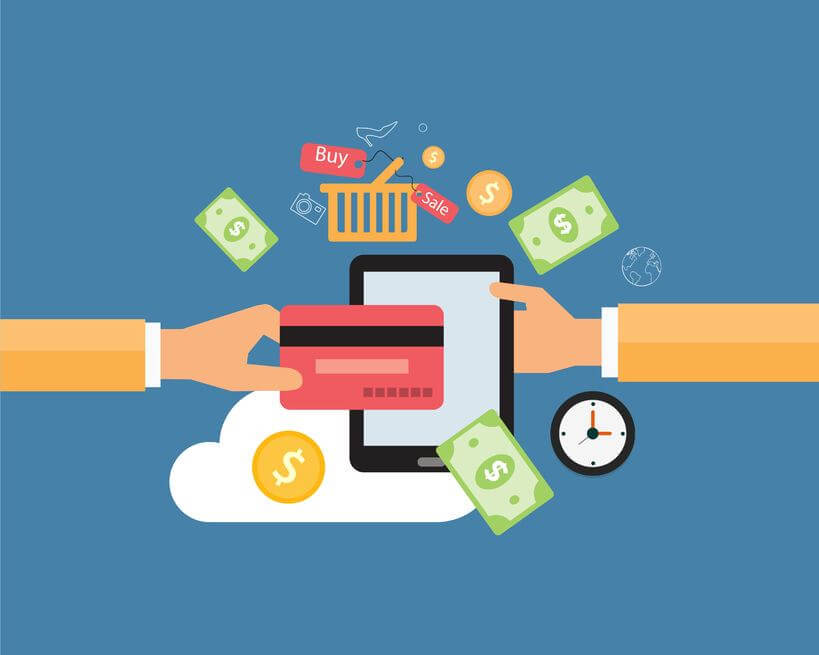
Today our digital world is changing how we engage in transactions. Since the first days of credit cards to the proliferation of sophisticated digital wallets, online payments have changed e-commerce and the relationship between businesses and their customers. This post tells the equally fascinating story of internet payments, tracking its evolution from a quaint oddity into an extraordinary suite of technologies revolutionizing payments today.
Understanding Online Payment Methods
An online payment is an electronic transaction that transmits money over the Internet. This form of payment does away with physical cash or checks, allowing both consumers and businesses to purchase goods or services over the internet using a website, a mobile app, or another digital service. Businesses need to be able to accept online payments through a payment system in order to be paid by their customers.
Types of Online Payment Solutions
The online payment area is a broad and varied package, covering a number of online payments to suit different users’ demands. Such techniques typically encompass, but are not limited to:
- Card payment methods such as credit cards and debit cards.
- Secure payment services that hold your payment information.
- Wire transfers for those who want funds deposited directly into a bank account.
- Alternative Payment Solutions and regionalized payment methods.
Companies that want to get paid online have a lot of options for payment processing.
How Online Payments Work
The online payment procedure consists of a series of steps synchronized to provide a well-protected online payment system. A customer’s payment details (e.g., card numbers or debit/credit card details) are sent to a payment processor when a customer makes a payment request at checkout. The processor confirms the availability of the funds with the card network and issuing bank, and the issuing bank will charge them the amount of the business purchase.
Securely take payments with a payment gateway that ensures customer payment data is stored and handled in a manner that meets their expectations and keeps your business PCI compliant for recurring charges. A secure payment gateway is a common and often necessary component for most e-commerce businesses, though some may use alternative integrations provided by their payment processors.
The Rise of E-Commerce and Online Payments
E-commerce has changed the way online payments work and it is believed that there is no stopping it from such advancements. With every day that passes, more transactions move online and the demand is growing for an array of reliable and secure online payment solutions. This has resulted in new card payment systems, digital wallets, and alternative ways for people to pay, providing an ideal checkout experience for consumers and opening up more options for businesses to accept payments online. And if that were even possible, the advent of mobile payment services has only thickened the plot when it comes to online shopping.
Accepting Payments Online: A Necessity for Businesses
In today’s economy, it’s not enough to be able to process online payments, it’s a necessity. It is a given that you can manage to pay your bills online. Providing a range of online payment methods (credit cards, debit cards, and digital wallets) will ensure high customer satisfaction and can drive more sales. Businesses require a stable payment gateway that can safely accept payments and handle subscriptions. Bills are frequently processed through an online payment site such as https://carteza.com/.
Seamless Transactions: Enhancing User Experience
A smooth transaction operation is crucial to improve the performance of the payment process for users of e-commerce.
Happy Customers: Happy customers pay quickly, and when you make it convenient for customers to pay online, they will close online sales and come back to shop for more. Faster and secure payment is achieved by providing multiple types of online payment and a secure way to pay online that ultimately leads to an increased number of returning customers. Businesses improve their bottom line by making it easier to collect payments from customers.
Secure Online Payment Systems
Safety is the key in online payments. Because of the sensitivity of payment information, tight security in an online payment space has always been an important aspect of keeping the customer’s trust. Outstanding online payment systems need to do two things: protect customer information and minimize fraud.
Besides, security cannot be underestimated, as a breach can hurt the bottom line and reputation of both customers and businesses. You must be able to securely accept payments online.
Payment Gateways: Ensuring Secure Transactions
Payment gateways are the basic need to facilitate secure transactions on the internet. These gateways form a bridge between the customer and the merchant and are responsible for securely transporting the payment information during transactions.
Payment gateways process transactions and encrypt personal and credit card data, keeping the card number itself or other sensitive data, including the information associated with the PIN, protected. This results in businesses staying in compliance with PCI standards and providing a secure online payment experience. They are essential for any enterprise that plans to take secure payments online. Partnering with an ISO agent program can further streamline payment processing and support merchants in managing secure transactions efficiently.
Best Practices for Keeping Payments Safe
There are a number of best practices to help keep transactions secure. Businesses can improve security by looking at steps such as:
- Leveraging robust security precautions, like encryption and tokenization, to keep customer data safe and out of harm’s way.
- Keeping payment systems updated as part of good practice and PCI compliance.
It also helps to serve as a security awareness campaign to keep customers informed on how secure online payments can be. Stringent security checks on a regular basis are also required to keep a safe and secure web environment for all online purchases.
From Credit Cards to Digital Wallets
The tale of online payments feels retroactive when it starts with a simple old card payment. The technology behind online shopping began with credit card payments and debit cards. With the rise of e-commerce, these card-based transactions grew to be the go-to payment for many consumers.
This ability to make payments without cash in hand was a major step, laying the foundation for the more advanced payment systems we use today. Businesses need to take online payments today.
The Emergence of Digital Wallets
Digital wallets are a big leap in the history of online payment methods. Online payment services also enable customers to securely store payment information and use this information to pay on the merchant’s site. Instead of typing in a card number every time you pay, you can use the same card and card number with a digital wallet, such as Apple Pay or Samsung Pay.
This improves the payment experience and, as a result, drives a higher volume of internet transactions, allowing businesses to receive payments from their customers quicker.
Comparing Traditional and Modern Payment Methods
Card payments set the stage, but digital wallets provide an extra level of convenience and security for safe online payments. Users face the same manual payment form entry process of having to enter cardholder details to complete a payment that was an issue 15 years ago.
Card payment data is tokenized by digital wallets, providing an additional layer of protection for online business transactions. Businesses need to decide how to accept payments.
Optimizing Your Online Payment System
Choosing the best payment provider is essential to perfecting your online payment process. Take into account aspects such as transaction fees, security settings, and support for other online services such as payments.
Make sure the payment gateway you select offers credit/debit card processing, digital wallet integration, and the convenience of local payment methods for receiving payments online from a wider customer base. It’s important to select a secure online payment gateway that can fulfill your needs.
How to Start Accepting Payments Online
Businesses must first have a payment gateway to start taking payments online, which they then need to integrate into their website or e-commerce solution. This includes choosing a payment processor, setting up checkout, and maintaining PCI compliance to secure customer information.
There should be clear directions on how customers can pay online, and mobile payment would help make it smoother. Scheduled payments can also be automated.
Future Trends in Online Payment Solutions
The future of online payments will be even more personalized, will boast a higher degree of security, and will be fully adapted to new technologies. Biometric verification, blockchain-based payment solutions, and AI-powered fraud detection are expected to become more common.
As the online marketplace continues to change, it’s important to keep up to date with the latest payment trends and to provide an up-to-date, secure e-commerce experience, while also thinking about how customers may want to pay online.

