

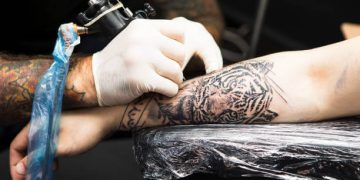





Tattoos have moved from niche subculture into mainstream visibility, with more people than ever exploring body art as a form of personal expression. But while clients often focus on design, placement, and price, there’s a lesser-known aspect of the craft that plays a vital role in quality results: practice skin.
Not all tattoos are created equal, and the difference isn’t just talent — it’s preparation. That’s where practice skin steps in. In this article, we explore what practice skin is, why professional tattoo artists rely on it, and why it matters for anyone interested in tattooing as a craft or hobby.
What Is Practice Skin?
Practice skin is a synthetic material designed to mimic the feel, texture, and resistance of real human skin. It allows artists — both beginners and seasoned professionals — to rehearse techniques without working directly on a person.
Unlike paper or fruit, practice skin:
- reproduces realistic depth and tension
- responds to needles in a way that approximates real skin
- lets artists test linework, shading, and saturation in a controlled environment
If you want to see examples of what professional practice skin looks like and how it’s used, check out https://www.murostar.com/ReelSkin-Practice-Skin
Why Practice Matters: Confidence Before the First Drop of Ink
Tattooing is a precision craft. It isn’t just about creativity — it’s about control, consistency, and muscle memory. The more an artist has practiced, the more intuitive those skills become. Practice skin provides a safe space to refine:
Linework
Clean lines are the backbone of nearly every tattoo style. Practicing on skin-like material helps artists tune hand pressure and stroke consistency.
Shading & Gradients
Shading isn’t just “making it darker.” It involves understanding how depth, speed, and needle angle interact. Practice skin lets artists repeat and refine without risk.
Needle Grouping Techniques
Different needle configurations behave differently. Practice skin allows artists to understand how each grouping performs in terms of saturation and texture.
A Tool for Beginners and Professionals Alike
Practice skin isn’t just for apprentices. Even seasoned artists use it to:
- test new machines
- troubleshoot unfamiliar needle groupings
- rehearse complex design elements before application
This prep work can make the difference between a confident session and one that feels uncertain.
What Practice Skin Teaches That Other Media Can’t
Tattooing on fruit or silicone pads might help a complete beginner get acclimated to needle vibration, but it isn’t enough to build real-world skill. Practice skin fills the gap between simulation and actual skin by offering realistic feedback — without the ethical and practical complications of practicing on a live person.
Why It Matters for Clients Too
Even if you’re not an artist, understanding practice skin gives you insight into what professionalism really looks like. When a tattoo artist takes the time to practice and prepare, the result is not only more consistent — it’s safer and more predictable.
That’s because practice builds a foundation for:
- controlled needle depth
- precise design execution
- fewer surprises during the actual tattoo session
That’s good news for clients, because confidence and competence translate directly into a better experience and outcome.
In a Nutshell: Repetition Leads to Mastery
Whether you’re an apprentice just starting or a seasoned artist trying something new, practice skin is a cornerstone of skill development. It allows professionals to refine techniques, test setups, and innovate — all without risk.
The next time you admire a clean, crisp tattoo, remember: behind that artwork is likely hours of preparation, discipline, and practice — and often, practice skin played a big part.
Final Thought
Tattooing isn’t magic. It’s craft. And craft grows through practice.
For artists aiming to sharpen their skills and experiment with technique before working on live skin, using high-quality practice materials is a fundamental step — one that bridges theory and real-world execution with confidence and control.

