







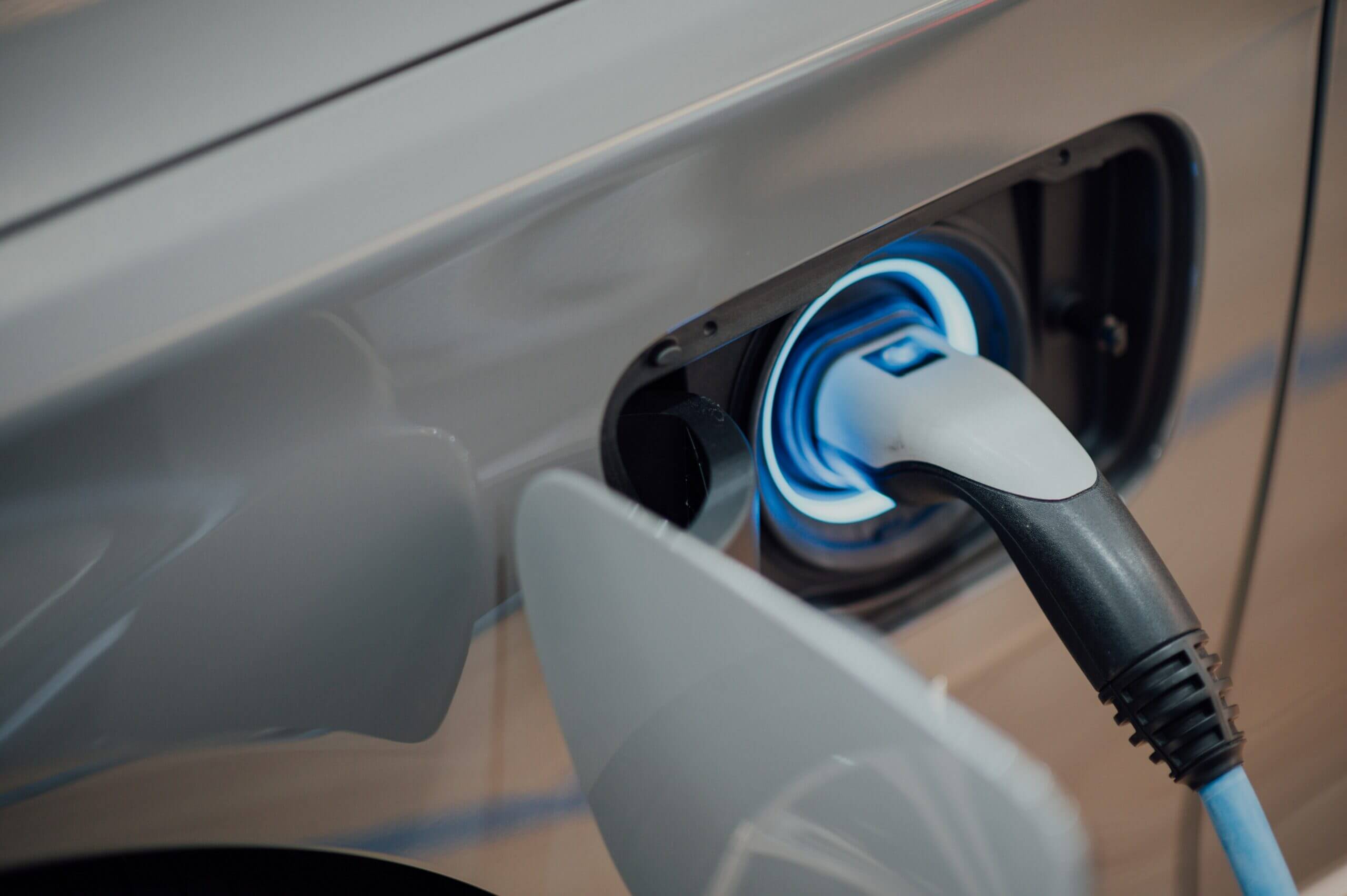
As electric vehicles (EVs) continue to rise in popularity, choosing the right EV charging cable becomes an essential part of owning and maintaining your vehicle. Whether you’re a new EV owner or considering making the switch to an electric vehicle, understanding the key factors that influence cable choice will ensure you have a smoother, more efficient charging experience. Choosing a cable that suits both your vehicle’s needs and your charging habits can help you avoid costly mistakes and ensure that you’re always ready to go.
In this guide, we’ll walk you through everything you need to know to select the perfect EV charging cable for your vehicle. Let’s dive in!
Why Does Choosing the Right EV Charging Cable Matter?
Choosing the right EV charging cable isn’t just about finding something that fits your car. The type of cable you use plays a significant role in your vehicle’s overall charging efficiency, charging speed, long-term performance, and safety. EV owners sometimes overlook the importance of selecting the correct cable, but using an ill-suited one could mean spending more time at charging stations, dealing with compatibility issues, or even causing wear on your vehicle’s charging system.
Here are a few reasons why selecting the correct cable is crucial:
- Compatibility: Electric vehicles aren’t all the same, and charging connectors vary across brands and models. Using the wrong cable may result in a cable that doesn’t fit, preventing you from charging your vehicle altogether. Some connectors only support certain models of vehicles, and others might offer slower or faster charging speeds.
- Charging Speed: Not all cables support the same level of power. The cable’s design can influence how fast your car charges. “Choosing a cable that supports higher charging speeds can get your car back on the road more quickly, which is particularly useful for busy individuals or business owners with electric fleets,” says Maham Khan, Head of Marketing at EV Cables.
- Durability and Safety: The right cable should be robust enough to handle frequent use while also ensuring that you charge your car safely. Poor quality cables might fray or become damaged over time, presenting safety risks like electrical shorts or fires.
- Cost Efficiency: While you may be tempted to buy a cheaper charging cable, investing in a high-quality cable from the beginning can save you money in the long term. A well-made cable won’t require replacements as often and ensures that your charging system operates at peak efficiency.
Types of EV Charging Cables
Before diving into which specific cable you should purchase, it’s important to first understand the different types of cables available. EV charging cables come with various types of connectors, and knowing the difference between them is essential for making the right choice. At their core, EV cables come in two primary categories: Type 1 and Type 2.
Type 1 Cables
Type 1 cables, also known as SAE J1772, are commonly used in vehicles manufactured primarily in the U.S. and Japan. These cables feature a five-pin connector and are typically used for older electric vehicle models. While still in use today, especially for vehicles from Nissan and Mitsubishi, Type 1 is gradually being replaced in many markets by the more advanced Type 2.
If you’re in Europe or you have a newer EV model, it’s unlikely your vehicle will use a Type 1 connector. However, some older EVs still come with this type of connector, so it’s important to check your vehicle’s specifications.
2. Type 2 Cables
Type 2 cables, often called Mennekes connectors, are the standard in Europe and are becoming the universal connector worldwide, particularly in countries with a high adoption of EVs. These cables feature a seven-pin connector, which allows for higher charging speeds and increased efficiency. They are used by most modern EVs from brands such as Tesla, BMW, Audi, and Volkswagen.
If your vehicle was manufactured in Europe or you’re considering an EV from a European automaker, it’s most likely going to use a Type 2 connector. Type 2 cables are preferred due to their versatility, safety, and faster charging capabilities. This type of connector is ideal for home and public charging stations, as it supports both slow and rapid charging.
Which Connector Does Your EV Use?
Before purchasing a charging cable, it’s essential to check which connector your EV uses. While it may seem straightforward, some vehicles are designed with specific connectors in mind, and using a cable that doesn’t match your car could lead to compatibility issues. Many modern electric vehicles—especially those manufactured after 2017—use Type 2 connectors. However, it’s still worth verifying your EV’s charging requirements to avoid making the wrong purchase.
Understanding Charging Speeds
“Charging speed is a critical factor in how quickly your vehicle gets back on the road. EV charging speeds depend on several factors, such as the type of charger, the power output of the charging station, the battery capacity of your vehicle, and the cable you’re using. Charging speeds are measured in kilowatts (kW), and understanding how this translates to time is essential when selecting the best cable for your needs,” says Gil Dodson, Owner of Corridor Recycling.
There are three primary levels of EV charging: Level 1, Level 2, and Level 3. Each offers a different charging speed, so it’s essential to choose a cable that matches your desired charging speed.
Level 1: Standard Household Charging
Level 1 charging utilizes a regular 120V household outlet and provides the slowest charging speed. While it’s convenient for overnight charging, this method isn’t practical for quickly replenishing an EV’s battery. For many EV owners, Level 1 charging is sufficient if they drive short distances and have access to a reliable power source at home.
Level 1 chargers generally provide a charging speed of about 2 to 5 miles of range per hour of charging. While it’s the most basic and widely available option, it can take several hours—or even days—to fully charge your vehicle depending on its battery size.
Level 2: Faster Charging at Home or Public Stations
Level 2 charging, which uses a 240V outlet, offers significantly faster charging speeds. This level is common in both residential homes and public charging stations, making it the preferred choice for most EV owners. With a Level 2 charger, you can expect anywhere from 10 to 60 miles of range per hour of charging, depending on your vehicle’s battery and the power of the charging station.
When purchasing a Level 2 cable, you should aim for one that supports at least 7.4 kW of power, though cables capable of supporting higher power outputs (e.g., 22 kW) are available for faster charging.
Level 3: DC Fast Charging
Level 3, or DC fast charging, delivers a high-power direct current (DC) charge directly to your vehicle’s battery, allowing it to charge much faster. This is typically found at commercial charging stations, especially along highways or in high-traffic areas. With Level 3 charging, you can expect to charge your EV to around 80% in just 20-30 minutes, which is much faster than Level 1 or Level 2.
However, not all electric vehicles are compatible with Level 3 chargers. Some older models may not have the necessary infrastructure to support DC fast charging, so it’s essential to check your vehicle’s specifications before considering this as an option. Additionally, specialized cables are often needed for Level 3 charging, so make sure your cable matches the requirements of the charging station.
Consider the Cable Length
When selecting an EV charging cable, one of the key factors to consider is its length. EV charging cables generally come in a range of lengths, from 5 meters (16 feet) to 10 meters (33 feet). The right length for you will depend on how and where you plan to charge your vehicle.
- Shorter Cables (5 meters): Ideal for charging stations located in close proximity to your parking space. If you have a dedicated charging spot in your garage or near a wall outlet, a shorter cable will work well for daily use.
- Longer Cables (7 meters or more): If you plan to charge in public areas, on the go, or outside where your parking space may not always align with the charging station, a longer cable offers the flexibility you need. Longer cables are useful if you park your car at varying distances from the charging point.
It’s essential to find the right balance between a manageable length and the convenience of reaching the charging station from your parking area. A longer cable can be more cumbersome to store, so think about your charging routine when deciding.
Outdoor vs. Indoor Use
Another important consideration is whether you’ll be using your cable indoors or outdoors. If you plan on using your EV charging cable outdoors, you need to make sure it’s rated for outdoor use. Outdoor-rated cables have added protection, such as waterproofing, UV resistance, and reinforcement against the elements.
Outdoor cables are designed to withstand harsher conditions, including rain, wind, and extreme temperatures. They also feature tougher insulation to prevent damage from UV rays or physical stress. If you plan on using the cable frequently outdoors, it’s a good idea to invest in a higher-quality, more durable cable that can stand up to wear and tear over time.
Durability and Build Quality
The durability of your EV charging cable can greatly influence your overall charging experience. “High-quality cables are designed to last, with thick outer insulation to protect the wires inside from physical damage, moisture, and other environmental factors. It’s crucial that the cable remains flexible enough to handle different weather conditions while still being strong and resilient enough to avoid fraying or damage,” says Paul Posea, Outreach Specialist at Superads.
Make sure to look for cables that have:
- Thick insulation: Helps protect the cable from wear, moisture, and abrasion.
- Ergonomic connectors: These make plugging and unplugging your cable easier, especially during cold weather or at awkward angles.
- Anti-kink designs: Some cables are designed to prevent kinking and tangling, which can lead to internal wire damage over time.
Is It Worth Renting EV Chargers and Cables?
If you’re new to EV ownership or need a charging cable for a limited period, renting an EV charger or cable might be a convenient solution. Renting provides flexibility and saves you the upfront cost of purchasing a cable if you’re not sure how often you’ll need it. This is especially useful for businesses that want to test the waters with EVs or for those who only need a cable occasionally.
Renting EV chargers and cables is an ideal solution for people who travel frequently, live in apartments, or don’t have a permanent place to install a charging station. Renting can also be a good option for fleet owners who need to temporarily scale their charging infrastructure.
Conclusion:
Choosing the right EV charging cable is one of the most important decisions you’ll make as an EV owner. It impacts how quickly your car charges, the safety of your charging setup, and even the longevity of your vehicle’s charging system. Whether you’re selecting a cable for home use or renting one temporarily, understanding the key factors—like charging speed, cable length, durability, and compatibility—will help you make the best choice.
By considering your specific needs and doing your research, you can ensure that your electric vehicle is always ready to go when you are!

