







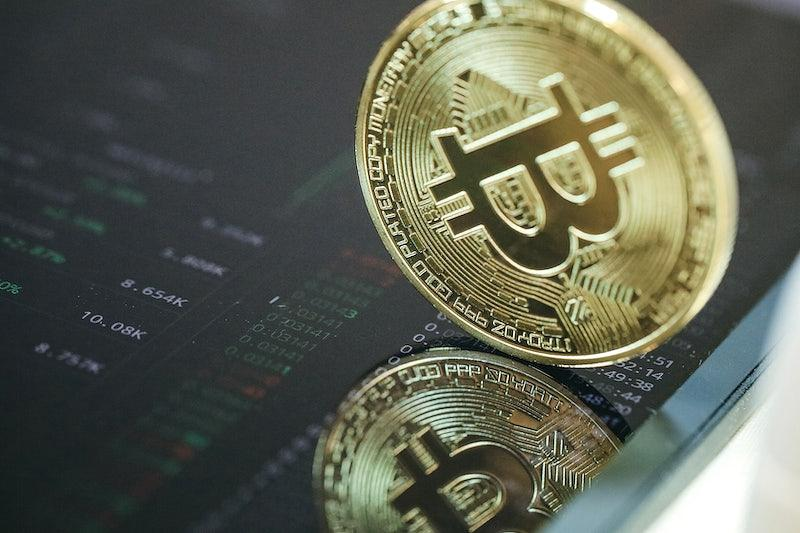
Bitcoin, the pioneering cryptocurrency delivered in 2009, has converted the economic landscape by supplying a decentralized, virtual opportunity to conventional currencies. Central to a knowledge of Bitcoin’s fee and marketplace behavior are the dynamics of supply and demand. Unlike fiat currencies, Bitcoin operates beneath a predetermined supply cap of 21 million cash, due to particular financial characteristics that have encouraged its marketplace fee over time. In navigating the complexities of Bitcoin’s supply and demand dynamics, utilizing a reliable platform can enhance your trading experience. Aipom Ai offers seamless transactions and resources that connect traders with valuable insights into the cryptocurrency market.
The Fixed Supply of Bitcoin
One of the foundational features of Bitcoin is its restrained supply. Satoshi Nakamoto, the pseudonymous author of Bitcoin, implemented a system that guarantees the best 21 million Bitcoins will ever be mined. This shortage is a fundamental element that distinguishes Bitcoin from traditional fiat currencies, which can be revealed without limit with the aid of important banks. As of now, about 19 million Bitcoins have already been mined, with the final supply anticipated to be fully issued by way of around 2140.
Historical Halving Events and Their Impact
Bitcoin has passed through three halving occasions when you consider that its inception:
2012 Halving:
The first halving happened on November 28, 2012, decreasing the block price from 50 Bitcoins to 25. Following this event, Bitcoin’s rate surged from around $12 to over $1,000 in past due 2013.
2016 Halving:
The 2nd halving passed off on July 9, 2016, reducing the reward to 12.5 Bitcoins. In the months following this halving, Bitcoin experienced a massive rally, culminating in a rate of nearly $20,000 by December 2017.
2020 Halving:
The maximum current halving came about on May 11, 2020, decreasing the block reward to 6.25 Bitcoins. Following this event, Bitcoin’s charge skyrocketed to nearly $69,000 by way of November 2021.
These halving events have continuously correlated with enormous rate increases, highlighting the relationship between Bitcoin’s delivery constraints and the call for dynamics.
Demand Dynamics: Factors Influencing Bitcoin Demand
While Bitcoin’s delivery is capped and predictable, its demand has fluctuated substantially over time, motivated by various factors:
Adoption and acceptance
The growing reputation of Bitcoin as a valid form of price has pushed for. Early adopters ordinarily used Bitcoin for peer-to-peer transactions and online purchases, but as consciousness grew, extra businesses started out accepting it. High-profile agencies, which include Tesla and Square, have publicly embraced Bitcoin, similarly legitimizing it as a medium of alternative and store of price.
Institutional Interest
In recent years, Bitcoin has received traction among institutional traders. Hedge funds, publicly traded organizations, or even asset management corporations have integrated Bitcoin into their portfolios, viewing it as a hedge in opposition to inflation and a way to diversify assets. This institutional interest has notably multiplied calls for, using prices upward.
Market sentiment and speculation
Market sentiment plays a crucial role in Bitcoin’s call for dynamics. Periods of tremendous sentiment, often pushed by bullish news or regulatory trends, lead to elevated buying pressure. Conversely, negative news, which includes regulatory crackdowns or safety breaches, can cause promote-offs and decreased demand.
Global Economic Factors
Economic situations, which include inflation, currency devaluation, and geopolitical instability, have also stimulated Bitcoin’s demand. During instances of economic uncertainty, investors often try to find safe-haven property, leading to an expanded hobby in Bitcoin as an opportunity for standard investments.
Analyzing Price Fluctuations in Supply and Demand
Bitcoin’s fee is in general determined via the interaction of its supply and call for dynamics. Historical rate charts screen distinct patterns that correlate with considerable activities in the Bitcoin environment.
Bull Markets
During bull markets, demand has a tendency to surge, often fueled by superb sentiment, technological advancements, and increasing adoption. As calls for outpaces deliver, costs upward thrust sharply. The durations following every halving occasion have constantly led to bull markets, demonstrating how delivery barriers can amplify charge increases in the face of growing demand.
Bear Markets
Conversely, endure markets occur whilst demand diminishes, leading to a decrease in price. This can be pushed through negative information, regulatory issues, or broader monetary downturns. Notably, after reaching its all-time high of almost $sixty-nine thousand in November 2021, Bitcoin entered an enduring market, experiencing extensive corrections as the call for waned.
Market Cycles
Bitcoin’s historic rate patterns also showcase cyclical conduct, characterized by using alternating stages of boom and decline. Understanding these cycles, driven utilizing supply and call for dynamics, can offer valuable insights for investors looking to navigate the risky cryptocurrency marketplace.
Conclusion
The ancient tendencies in Bitcoin’s delivery and call for dynamics display vital insights into its marketplace conduct. With a fixed delivery capped at 21 million cash, Bitcoin operates under precise financial ideas that set it aside other than traditional assets. Events, which include halving and increasing institutional adoption, play pivotal roles in shaping the call for and, consequently, the rate of Bitcoin. As the cryptocurrency marketplace keeps conforming, understanding those ancient trends could be crucial for traders looking to make knowledgeable selections. While Bitcoin remains notably speculative, its established styles offer a framework for assessing the ability of destiny to move.

