





The arcade industry has evolved far beyond simple coin-operated entertainment. Today, customized gaming equipment plays a strategic role in retail marketing, experiential branding, and location-based entertainment. Among the most impactful innovations in this space are branded claw machines—custom-designed prize games that align with a company’s identity, marketing goals, and audience expectations.
This in-depth guide explores how these machines work, why they matter, how to design and deploy them effectively, and what businesses should consider before investing. Whether you’re an entrepreneur, arcade operator, retail strategist, or marketing professional, this tutorial will give you a practical understanding of the niche.
1. What Are Branded Claw Machines?
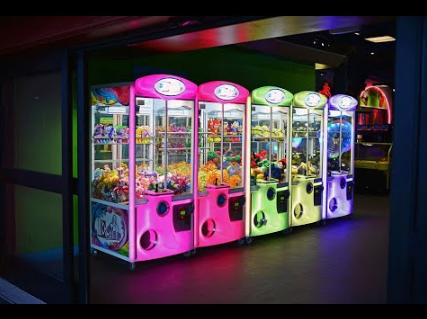
A claw machine is a coin- or token-operated arcade game where players control a mechanical claw to grab prizes inside a glass cabinet. When customized with company logos, thematic graphics, licensed characters, or product-specific rewards, the unit becomes a marketing asset rather than just a standalone game.
Instead of generic stuffed toys, these machines may feature:
- Company merchandise
- Limited-edition promotional products
- Themed collectibles
- Licensed characters from popular franchises
- Seasonal campaign items
The customization can extend to cabinet design, lighting effects, sound themes, user interface screens, and even gameplay mechanics.
2. The Psychology Behind the Attraction
To understand the business value, you must first understand player psychology.
2.1 Variable Reward Mechanism
Claw games operate on intermittent reinforcement—a powerful behavioral trigger. Players don’t win every time, which increases anticipation and emotional engagement.
This psychological principle is similar to what makes loot boxes popular in games like Fortnite and Genshin Impact. The unpredictability of rewards enhances replayability.
2.2 Visual Stimulation
Bright LEDs, movement inside the cabinet, and appealing prizes create sensory attraction. When aligned with a recognizable brand identity, this effect becomes even stronger.
For example, a cabinet themed around a franchise such as Spider-Man instantly draws attention due to character familiarity.
2.3 Micro-Commitment Strategy
The low cost per play encourages impulse decisions. When placed in high-traffic environments, the machine benefits from spontaneous engagement.
3. Why Businesses Invest in Custom Arcade Units
Customized arcade equipment serves several strategic functions beyond direct revenue.
3.1 Brand Visibility
A well-designed unit functions as a three-dimensional billboard. Unlike posters or digital ads, it invites physical interaction.
3.2 Engagement Marketing
Interactive experiences create stronger brand recall than passive advertisements. A customer who plays for a product is more emotionally connected than one who simply sees it on a shelf.
3.3 Data Collection Integration
Modern systems can integrate:
- QR codes
- Loyalty program connections
- Email capture prompts
- Social media sharing incentives
This transforms the unit into a data-driven marketing tool.
3.4 Revenue Diversification
Besides marketing, these machines generate direct income from gameplay. The dual-purpose model (branding + monetization) increases ROI potential.
4. Design Considerations: From Concept to Deployment
Creating effective branded claw machines requires strategic planning. Below is a step-by-step approach.
Step 1: Define Your Objective
Ask:
- Is the goal revenue or brand awareness?
- Is it part of a product launch campaign?
- Will it be permanent or seasonal?
Clear objectives guide design decisions.
Step 2: Choose the Cabinet Type
Common cabinet options include:
- Standard upright units
- Mini countertop models
- Large-format jumbo cabinets
- Multi-player variants
Location space constraints and audience demographics influence the right choice.
Step 3: Visual Identity Alignment
Consistency is critical. Consider:
- Brand color palette
- Typography
- Logo placement
- Lighting tone (warm vs. cool LEDs)
A mismatch weakens brand cohesion.
Step 4: Prize Strategy
Prizes must align with perceived value. Options include:
- Low-cost branded merchandise
- High-value “chase” items
- Tiered prize distribution
Some operators incorporate limited-edition drops inspired by collectible culture seen in franchises like Star Wars.
Step 5: Gameplay Configuration
Claw strength, payout rates, and win probability must be calibrated carefully.
Operators typically adjust:
- Grip strength cycles
- Win ratio algorithms
- Drop timing
This ensures profitability while maintaining player satisfaction.
5. Placement Strategy: Where They Perform Best
Location determines success more than design alone.
5.1 Shopping Malls
High foot traffic and family audiences create natural engagement.
5.2 Cinemas
Movie theaters showing major releases—like titles from Marvel Studios—often see higher interaction when machines align with current film themes.
5.3 Family Entertainment Centers
Arcades, bowling alleys, and trampoline parks provide a built-in gaming audience.
5.4 Retail Stores
Some brands install machines near checkout areas to encourage impulse participation.
5.5 Event Activations
Temporary installations at conventions, expos, and festivals generate social media buzz.
6. ROI and Cost Breakdown
6.1 Initial Investment
Costs typically include:
- Cabinet purchase or lease
- Graphic customization
- Software programming
- Shipping and installation
- Prize inventory
High-end customization increases upfront cost but enhances visual impact.
6.2 Ongoing Costs
- Prize replenishment
- Maintenance
- Location revenue share
- Electricity
6.3 Revenue Model
Income per unit depends on:
- Cost per play
- Plays per day
- Win rate configuration
Proper calibration can produce consistent margins while maintaining fairness perception.
7. Maintenance and Operational Best Practices
A poorly maintained unit reduces trust and engagement.
8.1 Regular Inspection Checklist
- Test joystick responsiveness
- Check claw calibration
- Clean glass panels
- Inspect wiring and lighting
- Refill prizes evenly
8.2 Software Updates
Modern machines may include:
- Digital displays
- Payment integrations
- Analytics dashboards
Keeping firmware updated ensures optimal performance.
8. Digital Integration and Smart Features
Technology integration enhances user experience.
9.1 Cashless Payment Systems
Contactless payment options improve accessibility, especially in urban retail spaces.
9.2 QR Code Campaigns
After winning, players scan a QR code for:
- Discount coupons
- Loyalty points
- Online contests
9.3 Social Media Integration
Encouraging players to share wins increases organic brand reach.
9. Ethical and Regulatory Considerations
Operators must comply with local gaming regulations.
Important areas:
- Age restrictions
- Gambling classifications
- Prize value limits
- Transparent payout mechanisms
Consult local laws before deployment.
10. Trends Shaping the Future
11.1 Eco-Friendly Materials
Sustainable cabinet materials and recyclable prizes are gaining popularity.
11.2 Hybrid Physical-Digital Rewards
Players may win digital vouchers or in-app currency.
11.3 Limited-Time Thematic Drops
Inspired by online gaming models, limited-edition prize cycles increase urgency.
11.4 Remote Monitoring Systems
Operators can track revenue, gameplay frequency, and maintenance alerts remotely.
11. Common Mistakes to Avoid
- Overloading the cabinet with low-value prizes
- Setting win rates too low (frustration risk)
- Ignoring lighting and visibility
- Failing to match brand identity
- Poor location selection
Strategic planning prevents these issues.
12. Case Use Scenarios
Retail Brand Launch
A clothing retailer launches a summer collection and uses a themed machine offering limited-edition accessories.
Movie Promotion
A cinema installs a character-themed unit aligned with a blockbuster premiere.
Trade Show Activation
A tech company uses interactive prize games to increase booth traffic.
13. Measuring Performance
Track metrics such as:
- Daily play count
- Average revenue per location
- Prize cost percentage
- Customer engagement rate
- Social media mentions
Data-driven optimization improves long-term profitability.
14. Long-Term Strategic Value
When implemented thoughtfully, branded claw machines serve as:
- Interactive marketing assets
- Revenue-generating entertainment
- Customer engagement tools
- Experiential retail enhancers
They combine psychology, design, and strategic placement into a single, compact system.
Final Thoughts
Customized arcade units are no longer just novelty attractions—they are strategic tools within modern experiential marketing ecosystems. Businesses that approach them with clear objectives, proper calibration, legal awareness, and thoughtful design can unlock both financial and branding benefits.
Success lies in balancing entertainment value with operational sustainability. By understanding user psychology, location dynamics, prize economics, and regulatory considerations, operators can transform simple mechanical games into powerful brand engagement platforms.
If executed correctly, these systems become more than entertainment—they become interactive brand experiences that drive measurable business results.

