







Security is no longer a luxury. It has become a basic requirement for homes, offices, and commercial properties. As crime techniques evolve, traditional locks and basic alarms are no longer enough. Property owners now look for smarter, faster, and more reliable security solutions that offer real-time protection and peace of mind.
Modern alarm systems combine technology, automation, and intelligent monitoring to create strong layers of defense. These systems do more than just make noise. They detect threats, notify owners instantly, and often integrate with other smart devices. This shift toward advanced protection has transformed how people think about safety.
In this article, we will explore how modern alarm solutions work, why they matter, and what makes them effective. We will also discuss the key features, benefits, and future trends shaping the security industry today.
The Growing Need for Smarter Security Systems
Crime rates, property theft, and unauthorized access incidents continue to rise in many regions. At the same time, people travel more, work remotely, and manage multiple properties. This lifestyle creates new security challenges that traditional systems fail to address.
Modern security threats are no longer limited to forced entry. They include cyber risks, insider access, and coordinated break-ins. Because of this, property owners now demand systems that can monitor, analyze, and respond instantly. Smart alarm solutions fill this gap by offering advanced detection and quick alerts.
Another important factor is awareness. People now understand that prevention is better than reaction. A visible and intelligent alarm system acts as a strong deterrent. It sends a clear message that the property is protected and monitored.
How Modern Alarm Technology Has Evolved
Alarm systems have changed dramatically over the past decade. Earlier systems relied mainly on loud sirens and wired sensors. Today, security solutions use wireless technology, cloud platforms, and artificial intelligence.
Motion sensors are now more accurate and reduce false alarms. Cameras offer high-definition video with night vision and remote access. Control panels connect to mobile apps, allowing users to monitor their property from anywhere. These upgrades make security more reliable and user-friendly.
In the introduction of advanced solutions, providers like elite security alarm systems focus on combining innovation with reliability. Their approach highlights how technology-driven security improves response time and overall protection without adding complexity for users.
Core Components of an Advanced Alarm System
Every modern alarm system relies on a combination of hardware and software working together. Each component plays a specific role in protecting the property.
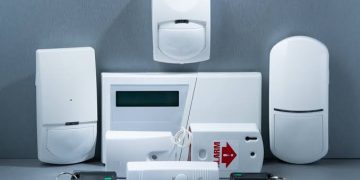
Sensors form the foundation of the system. Door and window sensors detect unauthorized openings. Motion detectors monitor movement inside protected areas. Glass break sensors identify forced entry attempts quickly.
The control panel acts as the system’s brain. It receives signals from sensors and triggers alerts or alarms. Modern panels connect to the internet, allowing real-time communication with users and monitoring centers.
Cameras add visual verification. They help users and security teams confirm threats before taking action. Combined with alarms, cameras improve accuracy and reduce unnecessary responses.
Benefits of Installing a Modern Alarm System
One of the biggest advantages of advanced alarm systems is peace of mind. Property owners know that their space remains protected even when they are away. Instant alerts allow them to respond quickly to any suspicious activity.
These systems also reduce the risk of loss. Studies show that properties with visible alarm systems are less likely to be targeted. Criminals prefer easy targets, and modern alarms make intrusion difficult and risky.
Another key benefit is convenience. Users can arm or disarm systems remotely, check live camera feeds, and receive notifications on their smartphones. This flexibility fits perfectly into busy modern lifestyles.
Integration with Smart Home and Business Systems
Modern alarm systems no longer operate alone. They integrate seamlessly with smart home and building management technologies. This integration creates a complete security ecosystem.
For homes, alarms can connect with smart locks, lighting, and thermostats. When an alarm triggers, lights can turn on automatically, or doors can lock instantly. These actions improve safety and deter intruders.
In commercial spaces, integration supports access control, employee monitoring, and energy management. Businesses can track entry times, restrict access to sensitive areas, and maintain security compliance easily.
Importance of Professional Monitoring Services
While self-monitored systems offer flexibility, professional monitoring adds another layer of protection. Monitoring centers operate 24/7 and respond immediately to alarms.
When an alert triggers, trained professionals verify the situation and contact emergency services if needed. This response reduces delays and ensures help arrives quickly. For businesses and high-risk properties, professional monitoring is especially valuable.
Monitoring also helps during emergencies like fires or gas leaks. Advanced systems detect these threats early and notify authorities, reducing damage and saving lives.
Customization for Different Property Types
Every property has unique security needs. A small apartment requires different protection than a large warehouse or office building. Modern alarm systems offer customization to match these requirements.
Residential systems focus on ease of use and family safety. They include child-friendly controls, mobile access, and privacy-focused camera placement. These features make them suitable for everyday living.
Commercial systems prioritize scalability and access management. They support multiple users, zones, and schedules. This flexibility allows businesses to grow without changing their entire security setup.
Reducing False Alarms with Smart Detection
False alarms have always been a concern with traditional systems. They waste time and reduce trust in security alerts. Modern systems address this issue with smart detection technology.
Advanced motion sensors distinguish between humans and pets. AI-powered cameras analyze movement patterns to confirm real threats. These improvements significantly reduce unnecessary alarms.
Fewer false alarms mean faster response when real incidents occur. They also prevent fines or penalties from emergency services caused by repeated false alerts.
The Role of Mobile Apps in Modern Security
Mobile applications have transformed how people interact with alarm systems. Users no longer need to be physically present to manage security.
Apps allow real-time monitoring, instant alerts, and system control from anywhere. Users can view camera feeds, receive notifications, and adjust settings with a few taps.
This accessibility increases engagement. When users stay connected to their security systems, they respond faster and feel more confident about their property’s safety.
Cybersecurity and Data Protection in Alarm Systems
As alarm systems become smarter, cybersecurity becomes more important. These systems collect data, stream video, and connect to networks. Protecting this information is critical.
Reputable providers use encryption, secure servers, and regular software updates. These measures protect user data from unauthorized access and cyber threats.
Choosing a system with strong cybersecurity standards ensures that physical security does not create digital risks. This balance is essential in today’s connected world.
Cost Efficiency and Long-Term Value
Many people believe advanced alarm systems are expensive. In reality, they offer strong long-term value. Preventing theft, damage, and downtime saves money over time.
Insurance companies often offer discounts for properties with certified alarm systems. These savings reduce overall costs and make installation more affordable.
Additionally, modern systems require less maintenance. Wireless components and remote diagnostics reduce repair expenses and system downtime.
Future Trends in Alarm System Technology
The security industry continues to evolve rapidly. Artificial intelligence, machine learning, and automation shape the future of alarm systems.
Facial recognition, predictive analytics, and smart threat assessment will become more common. These technologies allow systems to identify risks before incidents happen.
Cloud-based platforms will also expand. They offer scalability, remote updates, and improved system performance. As technology advances, alarm systems will become even more proactive and intelligent.
Choosing the Right Alarm System Provider
Selecting the right provider is as important as choosing the system itself. Experience, reputation, and customer support matter greatly.
A good provider offers consultation, professional installation, and ongoing support. They help clients choose the right components and ensure proper system setup.
Reliable support ensures that systems remain effective over time. Regular updates, maintenance, and responsive service build long-term trust and security.
Conclusion: Investing in Smarter Protection
Security challenges continue to grow, but technology offers powerful solutions. Modern alarm systems provide reliable, flexible, and intelligent protection for all types of properties.
They combine advanced detection, real-time alerts, and smart integration to create strong security layers. With professional monitoring and mobile access, users stay connected and informed at all times.
Investing in a modern alarm system is not just about protection. It is about confidence, convenience, and control. As security technology evolves, choosing smart solutions today ensures safer spaces tomorrow.

