





How Date Palms Bring Beauty and Functionality to Landscape Design
Landscape design involves more than arranging plants and creating attractive outdoor spaces. A successful landscape balances visual appeal, environmental conditions, maintenance requirements, and practical use. In warm regions, date palms are frequently chosen because their tall trunks and distinctive crowns create an elegant appearance while reflecting the character of traditional Middle Eastern landscapes.
Phoenix dactylifera, commonly known as the date palm, is particularly valued for its adaptability to hot climates and its historical association with agriculture and settlement in arid regions. Whether planted in a private garden, resort, commercial development, or public park, this palm can contribute structure and identity to an outdoor environment.
The Distinctive Appearance of Date Palms
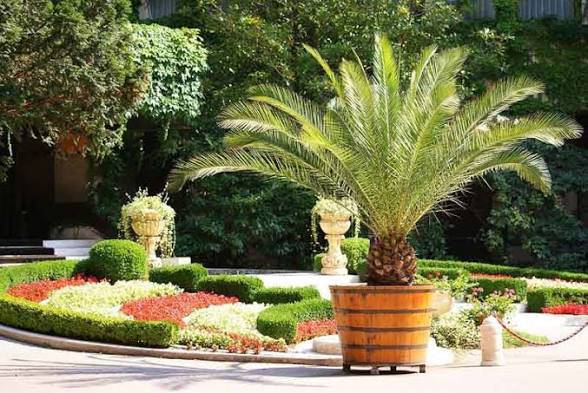
Date palms have a recognizable form consisting of a tall trunk topped by a crown of long, arching leaves. Unlike many broad-canopied trees, they emphasize vertical height, making them useful in landscapes where designers want to introduce an elevated focal point without occupying excessive ground space with branches.
Their appearance works well alongside modern buildings, traditional architecture, stone pathways, and open courtyards.
When planted in groups, date palms can create rhythm and visual continuity. A single specimen can also draw attention to a garden entrance or outdoor seating area.
However, the best placement depends on the mature height of the palm, the available space, and the surrounding structures.
Why Date Palms Suit Warm Landscapes
Tolerance of Heat
Date palms are adapted to hot environments and perform well in many subtropical and arid regions. Their ability to tolerate high temperatures makes them suitable for landscape projects in climates where some ornamental trees struggle.
Nevertheless, heat tolerance does not eliminate the need for water. Newly planted palms require careful establishment, and even mature trees may need irrigation during prolonged dry periods.
Adaptability to Different Soil Conditions
Phoenix dactylifera can grow in several soil types, including sandy soils, when appropriate water and nutrient management is provided.
Good drainage is important because persistently saturated soil can damage roots. In sandy environments, nutrients and water may move through the soil quickly, so irrigation and fertilization practices should reflect local conditions.
Testing the soil before planting can help determine whether any amendments are necessary.
Year-Round Visual Interest
In suitable climates, date palms retain their foliage throughout the year. Their evergreen appearance can help maintain a consistent landscape structure even when seasonal flowering plants lose their leaves.
This characteristic is useful in commercial properties, hotels, and public spaces where a stable visual appearance is desirable.
Using Date Palms in Different Landscape Settings
Residential Gardens
In residential settings, a date palm can create a focal point near a driveway, garden entrance, or spacious courtyard.
Smaller properties require careful planning because the palm may eventually become much taller than nearby structures or plants. Adequate space should be provided for its crown and for future maintenance.
Homeowners should also consider falling leaves and fruit when deciding where to plant the tree.
Hotels and Resorts
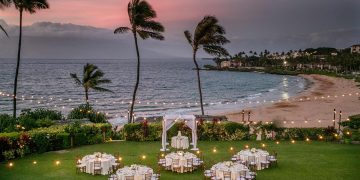
Hotels and resorts often use palms to establish a welcoming atmosphere in outdoor areas. Date palms can complement swimming pools, walkways, open courtyards, and landscaped entrances when positioned appropriately.
A repeated planting pattern may create a coordinated appearance across a large property. Combining palms with suitable shrubs, ground covers, and hardscape materials can produce a balanced design.
Plant selection should also account for irrigation needs and the amount of maintenance staff can reasonably provide.
Commercial and Public Spaces
Commercial developments, parks, and public walkways may benefit from the vertical structure of date palms. They can mark entrances, frame pathways, and help organize large open spaces.
For public installations, designers should consider pedestrian safety, accessibility, irrigation infrastructure, and maintenance access.
Trees should not obstruct signs, lighting, visibility, or emergency routes as they mature.
Planning a Successful Date Palm Installation
Choosing an attractive specimen is only one part of a successful planting project. Preparation and installation also influence long-term performance.
Evaluate the Site
Start by examining sunlight, soil drainage, irrigation availability, and the space surrounding the proposed planting location.
Date palms generally prefer abundant sunlight. Shaded areas may be less suitable, particularly when buildings or larger trees restrict light for much of the day.
Check for underground utilities and overhead obstructions before digging.
Consider the Size of the Palm
The size of the tree at purchase can influence transportation, installation costs, and the immediate visual impact of the landscape.
Larger palms may provide an established appearance more quickly, but they often require specialized equipment and experienced installers.
Smaller palms may be easier to transport and establish, although they take longer to achieve a mature landscape effect.
Plan for Long-Term Care
A landscape should be designed around the resources available for maintenance.
Date palms require appropriate irrigation, occasional removal of dead leaves, and monitoring for pests and disease. Mature specimens may need professional assistance for pruning and inspection.
Planning these requirements before planting helps avoid unnecessary maintenance difficulties later.
Watering and Nutrient Management
Although date palms tolerate dry conditions, their growth depends on an appropriate balance of water and nutrients.
Young palms need particular attention while their root systems establish. Irrigation should provide sufficient moisture without leaving the soil continuously saturated.
Water requirements vary according to soil type, rainfall, temperature, tree age, and the intended use of the palm. Fruit-producing trees may have different irrigation needs from ornamental specimens.
Nutrient management should also be based on local soil conditions. Soil testing can help identify deficiencies and guide the selection of a suitable fertilizer.
Excessive irrigation or fertilizer application can waste resources and create additional problems rather than improve growth.
Choosing the Right Palm for Your Project
Before purchasing a date palm, assess the purpose of the planting. A residential garden may prioritize appearance and manageable maintenance, while a commercial landscape may require consistent sizing across multiple trees.
Buyers should review the plant’s health, dimensions, root condition, and suitability for the local climate. They should also confirm transportation and planting arrangements, particularly when purchasing larger specimens.
A middle eastern date palm may be worth considering when exploring palms for a landscape inspired by the traditional gardens and warm environments of the Middle East.
The choice should ultimately reflect the property’s design, available space, and long-term maintenance capacity.
Combining Date Palms With Other Plants
Date palms can be paired with a range of plants that share similar environmental requirements.
Ornamental grasses, drought-tolerant shrubs, and suitable ground covers can complement the palm’s height and leaf structure. Flowering plants can introduce additional color, while stones and pathways can reinforce the landscape’s overall design.
Avoid selecting companion plants solely for appearance. Their water needs, sunlight requirements, and mature size should also be considered.
In water-conscious landscapes, grouping plants with similar irrigation requirements can make maintenance more efficient.
Conclusion
Date palms offer a distinctive combination of vertical structure, evergreen foliage, and adaptability to warm environments. These characteristics make them valuable in residential gardens, resorts, commercial developments, and public landscapes.
Successful planting depends on appropriate site selection, sufficient sunlight, suitable soil drainage, careful irrigation, and long-term maintenance planning. By considering these factors before installation, property owners and landscape designers can create attractive outdoor spaces that remain practical and sustainable over time.

