






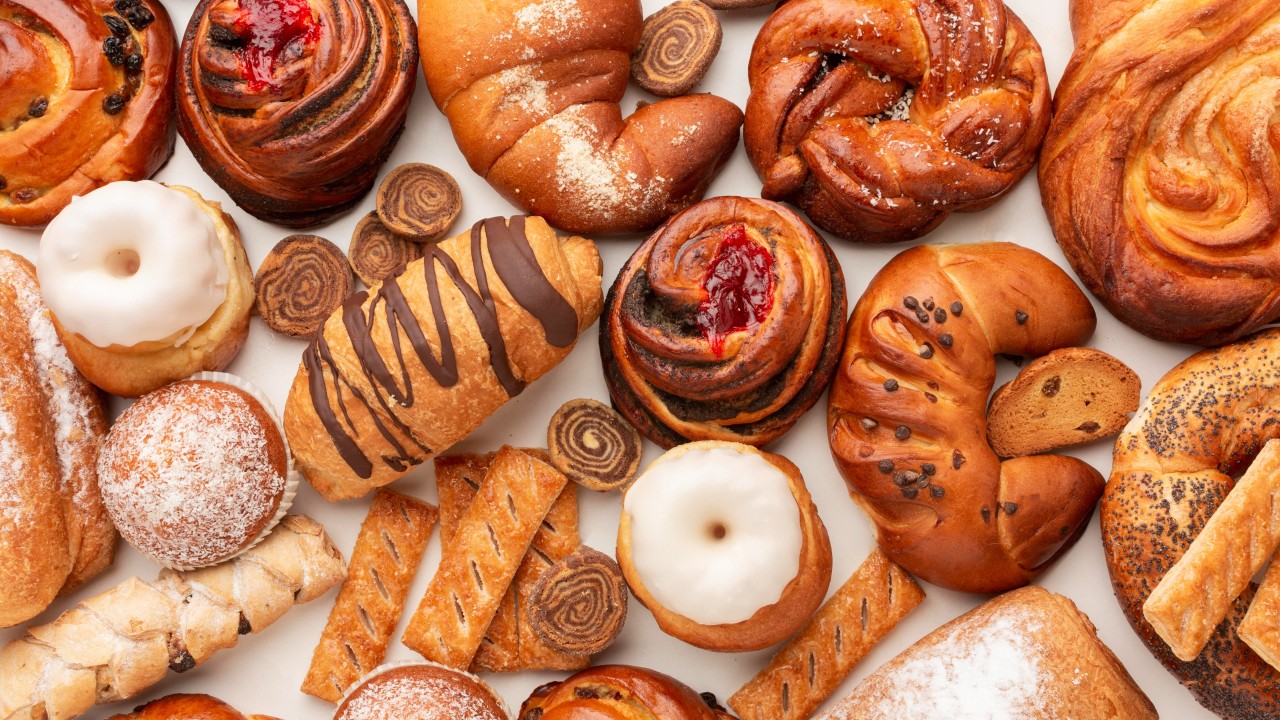
Food culture can also be formed by the places we return to almost without hesitation. The coffee picked up before work, the cake bought after school pick-up or the family weekend indulgence can become everyday essentials. But increasingly they also become things that conscious families start to consider how they are made, their desire for convenience remaining but alongside it, fresh, thoughtful and something to return for.
- Freshness Is Becoming Part of Everyday Food Culture
Contemporary customers can no longer be convinced that familiarity must equate to low quality. Even if a person is grabbing breakfast on the go before work, they have no intention of settling for some dull meal. It’s redefining what a community focused bakery is all about.
That freshness is consistent with bread, doughnuts, other sweet treats, savory snacks, pizza, sandwiches, breakfast items and great-quality coffee. Dedicated artisanal bakers are embracing that wider concept in their daily freshness, offering the chance to buy fresh-baked bread along with food and drink for many daily occasions.
A weekend traveler might want a coffee, breakfast and a snack for the road. Good bakery hospitality can cater for all those needs without sacrificing consistency. The key thing is not the size of your menu. It’s being clear on what you want, speed of service, and a welcoming staff that never ignores small family orders.
- Slow Fermentation=More Flavor to Your Bake
This is why seasoned bakers happily let dough sit around. But slow fermentation gives the natural yeasts and bacteria time to do their thing – flavor the dough and modify the dough structure, as opposed to making it quickly rise. The effect is markedly different from using baking soda as a chemical leavening agent and racing through a short production process.
The variation may be visible in various ways:
- Flavor: fermentation will give you a more complex, richer flavor.
- Texture: well fermented dough can produce a crumb and crust with more character.
- Aromas: fermentation is a factor in the aroma of freshly baked bread.
- Character: the end result of the finished hair can leave it to seem fuller, extra dimensional.
That is when the skill comes in. There are so many variables: temperature, hydration, flour, time, fermentation conditions. A qualified baker reads that dough the way a musician reads a score; you need never see the work that goes into it. For the customer, it’s a matter of noticing that it tastes differently.
- Artisanal Baking Is Welcoming Craft Back to Convenience
One thing feels a little at odds about using the word “convenient” and then adding “personality” to it. But that is what artisan bakeries are all about. A shortcrust or puff pastry or fresh-baked savory menu item can elevate an everyday stop. Customers need not even be aware of how it was achieved. All they need to feel is that it is well thought out.
That takes a little discipline at the counter:
- Quality ingredients selected for a reason
- Preparation methods suited to each product
- Same standards for the busy times
- Staff who get that service is just an experience
For a bakery business, this isn’t about romanticizing the traditional. It’s about bringing expertise to the table where it can genuinely enhance the food.
- Local Bakeries Are Becoming a Part of How Our Neighborhoods Eat
There’s another less obvious way a bakery can impact a community by simply showing up. The same people stop in for coffee throughout the week, grab breakfast on Saturdays or pick up a beloved pastry on the way home. And over time those visits become habits.
The community angle, the family-run character and the existing network of branches in the UK make Bakery 79 a good example of a bakery finding the combination of local flavor and a broader infrastructure. And that is important. Growth should improve a business’s capacity but not to the point where the customer feels like a number.
Hence the important message of ‘listening’ in Bakery now, because the bakery customer of today demands ever-increasing focus on the quality of product and service that they wish to experience. Morning may demand different products than lunch, or the seasons. Customers pick up if levels drop.
- Modern Technology Can Support the Traditional Bakery Experience
Artisanal baking doesn’t have to be old-fashioned. A bakery can preserve the craft and employ contemporary technology to facilitate the purchasing process. Apps, loyalty and delivery platforms enable customers to order at their convenience, but bricks and mortar still play a valuable role in providing fresh food, coffee and humans. For example, reliable bakeries have combined their branches with an app and delivery through the major food-delivery platforms.
A good technology in this regard is the one that takes away the hassle, without removing the character of the bakery. The dough can still be given time, even when the customer is not.
In essence, neither of these worlds will dominate the future of bakery. The more successful business will be the one that knows the art of each. Customers are able to jump straight to digital ordering, rush and be serviced without delay, all while appreciating food that is left to develop with time, skill and concern; and that is exactly what makes the artisanal world so powerful.

