






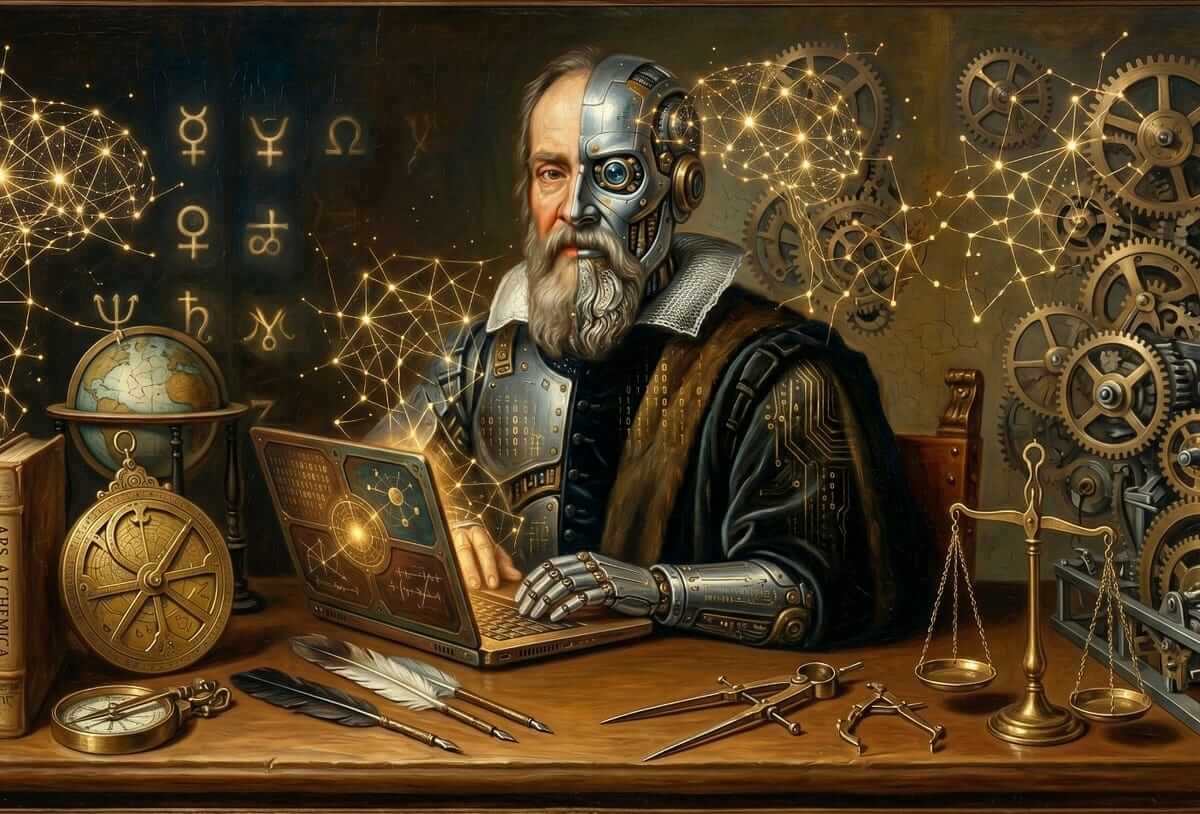
Artificial intelligence has transformed the way creators, marketers, bloggers, and businesses produce content. What once took hours of brainstorming, drafting, and editing can now be accomplished in minutes with the help of advanced AI writing tools. From generating blog posts and email campaigns to creating social media content and product descriptions, AI has become a valuable part of modern content workflows.
However, as AI-generated content becomes more common, a new challenge has emerged: maintaining authenticity. Readers increasingly recognize content that feels robotic, repetitive, or disconnected from genuine human experience. This challenge has given rise to a growing interest in AI humanizers—tools and techniques designed to make AI-assisted writing sound more natural, engaging, and uniquely human.
Why Authenticity Matters More Than Ever
Content creation has always been about communication. Whether you’re writing an article, building a brand, or sharing expertise, your audience wants to connect with a real voice. Trust is built when readers feel they are hearing from a knowledgeable person rather than a machine.
While AI can generate grammatically correct and structurally sound content, it often struggles with subtle elements that make writing memorable. Personal insights, emotional nuance, storytelling, and unique perspectives are difficult to replicate consistently through automated systems alone.
As search engines and audiences become more sophisticated, authenticity is becoming a competitive advantage. Readers spend more time with content that feels genuine, and businesses benefit from stronger engagement when their messaging reflects a recognizable voice.
The Rise of AI Humanizers
AI humanizers have emerged as a response to concerns about generic AI-generated content. These tools aim to refine machine-produced text by improving sentence flow, varying language patterns, and creating a more conversational tone.
The goal is not necessarily to hide the use of AI. Instead, many creators use humanizers to bridge the gap between AI efficiency and human expression. A writer may generate a first draft using AI and then use additional tools or editing processes to ensure the final piece aligns with their personal style.
This growing category reflects a broader shift in content creation. The most successful creators are not choosing between AI and human creativity; they are combining both.
Many discussions surrounding AI humanizers focus heavily on pricing, detection rates, or technical features. However, experienced writers often argue that the more important question is whether a tool helps preserve a creator’s authentic voice. A thoughtful perspective on this issue can be found in this article, which explores how focusing solely on cost may cause creators to overlook what truly matters: maintaining originality and personal expression throughout the writing process.
Building Effective Creator Workflows
Modern content creators rarely rely on a single tool. Instead, they develop workflows that combine multiple technologies with human oversight.
A typical workflow may include:
- Research and idea generation.
- AI-assisted outlining.
- Draft creation.
- Human editing and refinement.
- Fact-checking and optimization.
- Final review for voice consistency.
In this process, AI serves as an assistant rather than a replacement for human judgment. Writers can accelerate repetitive tasks while still maintaining control over the message, tone, and strategic direction of the content.
This hybrid approach often produces better results than relying entirely on either AI or manual writing. AI provides speed and scalability, while human editors contribute creativity, expertise, and authenticity.
Challenges of AI-Generated Content
Despite impressive advances, AI-generated content presents several challenges.
Repetitive Language
Many AI systems tend to use predictable sentence structures and common phrases. Over time, this can make content feel formulaic.
Lack of Personal Experience
Readers often value firsthand knowledge and practical insights. AI models can synthesize information but cannot genuinely share lived experiences.
Contextual Limitations
AI may misunderstand audience expectations, industry nuances, or cultural context, leading to content that feels disconnected from its intended readers.
Brand Voice Consistency
Organizations invest significant effort in developing a unique voice. Maintaining that identity requires careful editing when using AI-generated drafts.
AI humanization techniques help address many of these concerns, but they work best when combined with active human involvement.
The Role of Editors in an AI-Driven World
Contrary to some predictions, AI has not eliminated the need for editors. In many cases, it has increased the value of skilled editing.
Editors now focus less on producing every word from scratch and more on shaping, refining, and validating content. Their responsibilities often include:
- Ensuring factual accuracy.
- Improving clarity and readability.
- Preserving brand voice.
- Adding original insights.
- Enhancing audience engagement.
This shift allows content teams to produce more material while maintaining quality standards.
Authenticity as a Long-Term Strategy
Some creators worry that increasing reliance on AI could dilute their unique voice. This concern is understandable, especially when audiences become accustomed to generic AI-generated content.
The solution is not necessarily to avoid AI altogether. Instead, creators can establish clear editorial standards and intentionally incorporate personal expertise into every piece they publish.
Authentic content often includes:
- Original opinions.
- Real-world examples.
- Industry experience.
- Personal stories.
- Unique analysis.
These elements are difficult for AI to generate convincingly without human input.
By prioritizing authenticity, creators can differentiate themselves in increasingly crowded digital spaces.
What the Future May Look Like
AI writing technology will continue to improve. Future tools may become better at understanding tone, audience preferences, and individual writing styles. Personalized AI systems could eventually learn a creator’s voice with remarkable accuracy.
Even then, authenticity will remain important because audiences seek more than information. They seek connection, trust, and perspective.
The most successful creators will likely be those who embrace AI as a productivity tool while continuing to contribute the uniquely human qualities that technology cannot fully replicate.
Conclusion
AI writing tools have permanently changed content creation, offering unprecedented efficiency and scalability. At the same time, they have highlighted the importance of authenticity in digital communication.
AI humanizers represent one attempt to close the gap between machine-generated text and genuine human expression. While these tools can improve readability and engagement, they work best when integrated into thoughtful creator workflows that prioritize originality and voice.
Ultimately, the future of content creation is not about choosing between humans and AI. It is about finding the right balance between technological assistance and authentic storytelling. Creators who master that balance will be well-positioned to build trust, engage audiences, and produce content that stands out in an increasingly automated world.

