







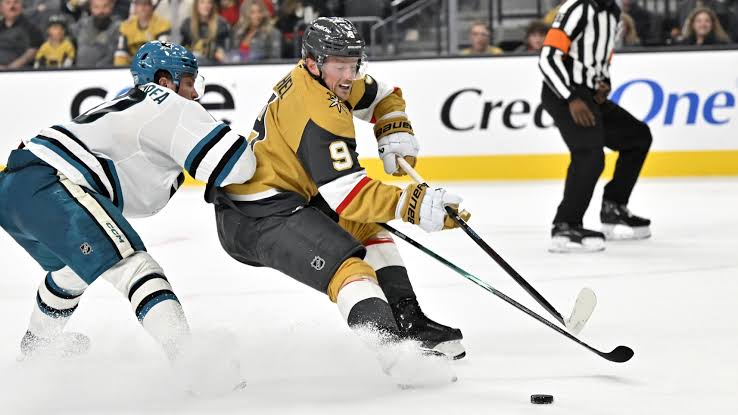
Ice hockey has long been a sport defined by precision, speed, and adaptability. While players spend hours perfecting their shots and improving their agility, one crucial component of performance often goes underappreciated: the blades beneath their skates. In recent years, advances in technology and materials have transformed how players think about their gear, especially when it comes to blade maintenance. What used to be an occasional repair job has now become a strategic choice central to a player’s consistency and confidence on the ice.
The idea of replacing blades only when they chip or snap is quickly fading. Experienced players now view their skates much like professional drivers view their tires—an essential point of contact that demands proactive attention. The shift toward smarter replacement habits marks a new era in both safety and performance, blending athletic tradition with modern insight.
The Hidden Cost of Dull or Damaged Blades
Most skaters recognize the obvious signs of wear: slower turns, uneven glides, or a sudden loss of grip on sharp corners. But what many fail to realize is how much subtle blade degradation affects endurance and efficiency. A slightly uneven edge or tiny nick can throw off balance and force unnecessary muscle exertion. Over time, this silent drag not only affects performance but also increases the risk of joint and ankle strain.
An often-overlooked factor is how different ice conditions amplify wear. Indoor arenas with heavy resurfacing cycles can vary slightly in texture, while outdoor rinks expose steel to unpredictable temperature shifts. These micro-conditions matter, and sharpening alone can’t always correct them. In fact, excessive sharpening may thin the blade prematurely, making it more fragile. That’s why athletes increasingly schedule routine replacements rather than waiting for outright failure.
When to Replace and What to Watch For
Knowing when it’s time for new blades isn’t always obvious. The decision depends on skating frequency, style, and maintenance habits. Players who skate daily should inspect for surface dullness, edge bites, or visible flattening at least once a week. Signs like uneven glide friction or a high-pitched scraping sound during stops are early indicators that precision is compromised.
While sharpening can temporarily restore balance, it cannot fix deeper issues like metal fatigue or deformation caused by repeated stress. This is where replacement hockey blades
come into play. Swapping worn blades for fresh ones tailored to a player’s specific preference is increasingly seen as an essential upkeep task, not a last-minute fix.
The Environmental Angle of Smarter Blade Choices
Beyond performance, there’s an evolving environmental story to this shift. Manufacturing technologies now emphasize durability and recyclability, aligning with modern sustainability goals. Many new blade compositions use eco-responsible alloys and fabrication methods that reduce waste. Players who invest in high-quality, longer-lasting options ultimately minimize their ecological footprint by discarding fewer materials throughout a season.
Moreover, proper maintenance extends the lifespan of blades between replacements. Simple habits—wiping blades dry after play, using guards off the ice, storing gear in ventilated areas—can make a measurable difference. Preventing rust or corrosion not only saves money but also preserves the integrity of finely engineered steel, ensuring consistent handling and speed.
Balancing Technology with Skill
As sports science advances, it’s tempting to believe technology alone can deliver better results. However, even the best-engineered gear cannot substitute for solid fundamentals. Blade control, balance, and stride efficiency remain products of training and awareness. The best players maintain a partnership between equipment and ability, where one complements the other rather than compensates for weaknesses.
That said, technology does empower smarter decisions. Adjustable holders, modular components, and precision machining enable players to tune their setups for optimal feel. The conversation is no longer just about repair—it’s about strategic customization. Blade curvature, weight distribution, and metal type can all influence how confidently a skater performs under pressure. Learning to recognize those variables gives players a distinct competitive edge.
The Art of Staying Ahead of the Game
Every cut on the ice tells a story of preparation. Professional and amateur players alike understand that staying ahead means taking nothing for granted—not even what’s underfoot. The wisdom of proactive maintenance reflects a deeper mindset: mastery through mindfulness. Players who treat their blades as partners in performance often experience fewer disruptions, smoother strides, and greater consistency from game to game.
Whether skating in a championship final or a weekend community league, the principle stands the same. Replace your blades before they fail, and you’ll maintain control over the one thing that matters most in hockey—your edge. The payoff is not just sharper turns but a sharper approach to the sport itself, blending care, precision, and resilience in every glide.

