




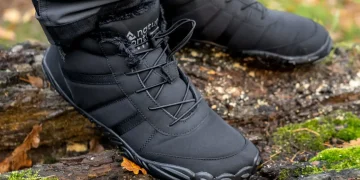



The way we walk, run, and stand has undergone a radical transformation over the last century, largely driven by the evolution of the footwear industry. While modern athletic sneakers often prioritize maximum cushioning and rigid support, a growing community of health enthusiasts and biomechanics experts is advocating for a return to basics. By choosing to wear barefoot shoes, individuals are rediscovering the structural integrity of the human foot, allowing for a more authentic connection with the ground and a significant reduction in common alignment issues. This shift isn’t just a fleeting trend; it represents a fundamental reassessment of how our bodies were designed to move through the world.
The biological masterpiece beneath our ankles
To understand the value of minimalist footwear, we must first appreciate the complexity of the human foot. Each foot is a biological masterpiece, containing 26 bones, 33 joints, and over a hundred muscles, tendons, and ligaments. Evolution spent millions of years perfecting this structure to act as both a shock absorber and a propulsion engine. When we encase our feet in narrow, highly padded shoes, we effectively put these intricate mechanisms into a cast.
Traditional footwear often features a tapered toe box that squishes the toes together, leading to issues like bunions and hammertoes. Furthermore, the elevated heels found in almost all modern shoes—even standard running sneakers—alter the alignment of the entire kinetic chain. By shifting the center of gravity forward, these shoes force the ankles, knees, hips, and lower back to overcompensate, often resulting in chronic pain that seems unrelated to what we wear on our feet.
The three pillars of minimalist design
True functional footwear is defined by three specific design elements that differ drastically from conventional options. Understanding these pillars is essential for anyone looking to improve their posture and foot strength.
- A wide toe box: Unlike the pointed design of fashionable shoes, minimalist footwear follows the natural shape of the foot. This allows the toes to splay naturally, providing a wider base of support and improving balance.
- Zero-drop soles: This means the heel and the forefoot are at the same height. Keeping the foot level encourages a neutral spine and prevents the shortening of the Achilles tendon, which is a frequent side effect of wearing elevated heels.
- Thin, flexible outsoles: A thin sole provides proprioception, or sensory feedback from the ground. The thousands of nerve endings in our feet are meant to feel the terrain to tell the brain how to adjust our gait.
Strengthening the foundation from the ground up
When you switch to a more natural way of walking, you aren’t just changing your shoes; you are starting a strength training program for your feet. Because minimalist footwear lacks the artificial arch support found in traditional models, the intrinsic muscles of the foot are forced to work again. Over time, this builds a stronger, more resilient arch that can support the body’s weight without external help.
This increased strength often radiates upward. Improved foot function leads to better ankle stability, which in turn reduces the strain on the knees. Many people who have suffered from persistent “runner’s knee” or lower back stiffness find that returning to a natural gait helps realign their pelvis and reduces the impact forces that traditional shoes often fail to fully mitigate.
The importance of a gradual transition
One of the most common mistakes people make when embracing natural movement is doing too much, too soon. Because our feet have been “sleeping” in supportive shoes for decades, the muscles and tendons are often weak and inflexible. Jumping immediately into a five-mile run in minimalist shoes is a recipe for stress fractures or tendonitis.
A successful transition requires patience and a structured approach. Start by wearing your new footwear for just an hour or two around the house. This allows your brain to get used to the increased sensory input and gives your Achilles tendontime to gently stretch back to its natural length. Gradually increase the duration of wear during low-impact activities, such as walking the dog or running errands, before attempting any high-intensity exercise.
Listening to your body is paramount during this phase. If you feel dull aches, it is likely just muscle soreness from using neglected tissues. However, sharp pains are a signal to back off and rest. Incorporating foot mobility exercises, such as picking up marbles with your toes or stretching the calves, can significantly speed up the adaptation process.
Reconnecting with the environment through proprioception
One of the most overlooked benefits of thinner soles is the mental and neurological connection to our surroundings. Our feet are primary sensory organs. When we walk on grass, gravel, or sand in shoes with thick foam layers, we lose the ability to “read” the ground. This lack of feedback can lead to a heavy-handed—or rather, heavy-footed—gait, where we slam our heels into the pavement with every step.
By stripping away the padding, we naturally adopt a midfoot or forefoot strike. This more efficient way of moving uses the body’s natural elasticity to absorb impact. Furthermore, the increased sensory input has been shown to improve balance and coordination, especially in older adults. Feeling the texture of the earth beneath you creates a more mindful walking experience, turning a simple commute into a grounding physical practice.
Addressing common myths and misconceptions
Despite the growing body of evidence supporting foot health, several myths persist about minimalist footwear. The most frequent claim is that humans “weren’t meant to walk on concrete” and therefore need artificial cushioning. While it is true that our ancestors didn’t have paved cities, the solution isn’t necessarily more foam. The human body is incredibly adaptable; a strong, functional foot is better equipped to handle hard surfaces than a weak foot in a soft shoe.
Another misconception is that people with “flat feet” require heavy arch supports. In many cases, flat feet are simply the result of weak muscles that have collapsed due to lack of use. By gradually introducing natural movement, many individuals can actually reconstruct their arches over time. It is about rehabilitation rather than permanent reliance on an external orthotic.
Integrating natural movement into daily life
You don’t have to be a marathon runner or a hiker to benefit from the principles of natural footwear. The shift toward better foot health can happen in the office, at the gym, or even while relaxing at home. Many modern designs are now indistinguishable from professional leather shoes or casual lifestyle sneakers, making it easier than ever to prioritize health without sacrificing style.
Ultimately, the move toward minimalist footwear is an investment in long-term mobility. By respecting the anatomy of the foot and allowing it to function as nature intended, we can prevent many of the chronic orthopedic issues that plague modern society. It is a journey of rediscovery, one step at a time, leading toward a more balanced and pain-free life.

