






Imagine someone near you suddenly collapses. Would you know what to do? In moments like this, quick action can save a life.
This is where Basic Life Support (BLS) training becomes important. BLS training gives you the skills and knowledge needed to help in emergencies, especially when time is running out. Let’s dive deeper into this topic.
Why BLS Training Matters
BLS training is not just for doctors or nurses. Anyone can learn these skills and use them to help others. Giving CPR right away can increase a person’s chance of surviving a heart attack.
It teaches you how to give chest compressions, clear airways, and use a defibrillator. These simple actions can help keep someone alive until medical help arrives.
What You Will Learn in BLS Training
During BLS training, you will get to practice important lifesaving skills. See below.
CPR
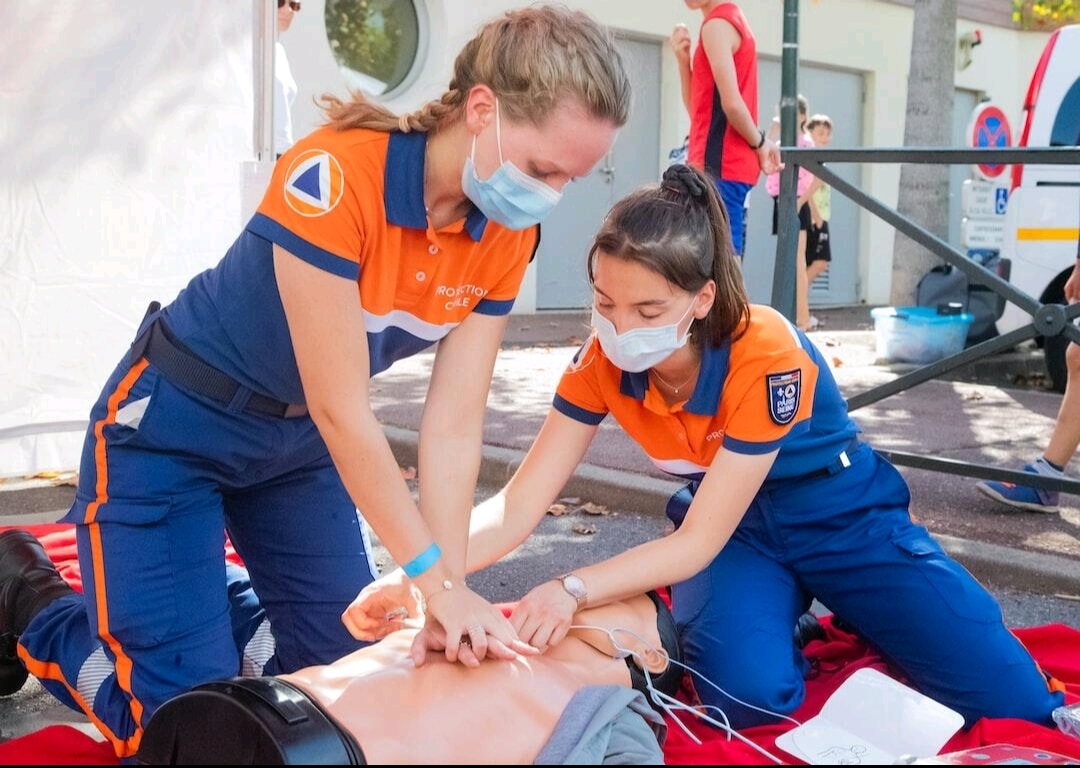
One of the most vital is CPR, or cardiopulmonary resuscitation. This involves pushing on the chest and giving breaths to help the heart and lungs do their job. Training programs such as those offered by MyCPR NOW ensure you gain experience and build the confidence needed to respond in real emergencies.
AED
You will also learn how to use a machine called an AED, which stands for Automated External Defibrillator. This device can help restart a heart that has stopped beating. During the training, you’ll practice using an AED so you feel prepared and capable when every second counts.
Recognizing the Signs
You will be trained to help a person breathe by clearing their throat or adjusting their head position. Some programs also emphasize recognizing the signs of cardiac arrest or other serious conditions. The sooner you identify an emergency, the quicker you can act and that can save more lives.
Who Needs BLS Training?
BLS training is important for healthcare workers, first responders, teachers, coaches, caregivers, and even parents. It can benefit anyone who may be around others in daily life.
For example, a school sports team coach is responsible not just for fitness but also for safety. If a player faints or stops breathing, the coach needs to act fast. With BLS training, they will know how to respond appropriately, possibly saving a young life.
How to Choose a Good BLS Course
There are many places to get BLS training, but it’s important to choose a good program. Look for a course that is certified and follows the latest safety rules. The best courses offer hands-on practice using real equipment.
Some programs also let you choose times and locations that work best for your schedule. Taking a high-quality course will help you feel more prepared to act in an emergency.
Take Action and Get Trained
Medical emergencies can happen at any time. If you have BLS training, you can immediately step in and help. That kind of fast action can save lives.
You won’t just be helping others. You’ll also feel more confident in your own skills. Sign up for a BLS course now and be prepared to help when someone needs you most.
Don’t stop here. Explore our blog for more expert advice and ideas!

