






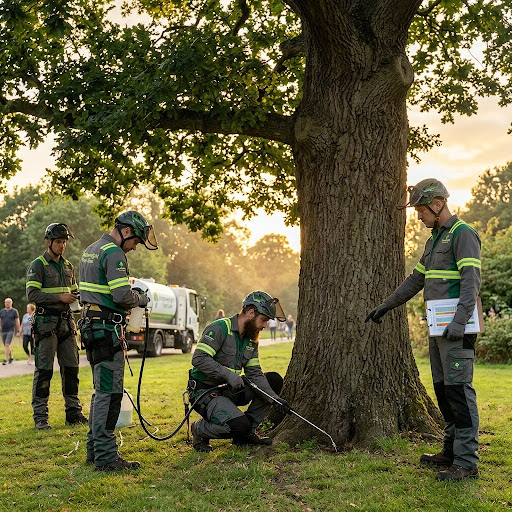
Trees planted near power lines, sidewalks, or building foundations often need frequent pruning to stay safe and manageable. But constant cutting stresses trees and shortens their lifespan. That’s where a smarter approach comes in — one that reduces how often trees need trimming while keeping them healthy and beautiful.
At Arborwright Tree Care, we’ve seen firsthand how the right treatment plan can transform the way property owners manage their landscapes. Instead of scheduling pruning crews every few months, many of our clients now rely on a science-backed solution that slows unwanted growth at the source, cutting down on maintenance costs and preserving the natural shape of their trees.
This post breaks down what this treatment involves, why it’s gaining popularity among homeowners and commercial property managers alike, and how it fits into a broader tree care strategy.
Why Do Trees Need Growth Management in the First Place?
Trees are living, growing organisms, and that’s usually a good thing. But rapid or excessive growth can quickly become a liability. Branches encroaching on utility lines create safety hazards. Roots pushing against foundations or pavement cause costly damage. And trees that outgrow their space often require aggressive pruning that leaves them looking sparse and unhealthy.
Traditional pruning addresses the symptom, not the cause. You cut back the branches, but the tree responds by growing right back, sometimes even faster, as it tries to compensate for the lost foliage. This creates a cycle: more growth leads to more pruning, which leads to more stress on the tree, which can weaken its structure over time.
Property managers dealing with dozens or hundreds of trees know this cycle all too well. Every pruning cycle costs time, labor, and money, and the results rarely last more than a season or two before growth catches up again.
What Makes This Approach Different?
Rather than cutting growth after it happens, this treatment works by slowing it down before it starts. Applied to the soil around a tree’s root zone, it’s absorbed and distributed throughout the tree, where it reduces the rate of shoot elongation without harming the tree’s overall health.
The results speak for themselves. Trees treated this way typically show:
- Reduced pruning frequency: Many property owners cut their pruning schedule in half or more.
- Denser, more compact growth: Instead of long, leggy branches, treated trees often develop fuller canopies.
- Improved stress tolerance: Because trees expend less energy on rapid shoot growth, they can direct more resources toward root development and drought resistance.
- Lower long-term maintenance costs: Fewer pruning visits mean real savings, especially for commercial properties with large tree inventories.
This makes it a practical option for utility companies managing line clearance, municipalities maintaining street trees, and homeowners who simply want less yard work without sacrificing curb appeal.
Is This Treatment Right for Every Tree?
Not every tree needs this kind of intervention. Young trees still establishing their root systems, for example, generally benefit more from natural, unrestricted growth. Similarly, trees planted purely for shade or screening purposes might not need growth management at all.
Where this treatment tends to shine is with trees planted in constrained spaces, near infrastructure, or in high-maintenance commercial landscapes. Species that are prone to rapid growth or that regularly interfere with power lines are also excellent candidates.
A qualified arborist can assess your specific trees and determine whether this approach makes sense for your property. Factors like species, age, location, and existing health all play a role in that recommendation.
How Often Does the Treatment Need to Be Applied?
One of the most common questions we hear is about frequency. The good news is that this isn’t a treatment you need to think about constantly. Depending on the tree species and growing conditions, a single application can provide noticeable growth reduction for one to three years.
This makes it a low-maintenance solution compared to the ongoing cycle of regular pruning. Instead of scheduling crews multiple times a year, property owners can plan treatments as part of a longer-term care calendar, freeing up both budget and time for other landscaping priorities.
What Should You Look for in a Provider?
Not all tree care companies offer this specialized service, and even fewer have the training to apply it correctly. Improper application, whether it’s using the wrong concentration or applying it to an unsuitable tree, can lead to disappointing results or even unintended stress on the tree.
When choosing a provider, look for certified arborists with documented experience in growth management treatments. Ask about their assessment process, their experience with your specific tree species, and how they measure success after treatment. A reputable company will also be upfront about which trees are and aren’t good candidates, rather than pushing the service on every property.
Bringing Smarter Tree Care to Your Property
Enjoy fuller, more manageable trees without the constant cycle of pruning by exploring how a professionally applied tree growth regulator can fit into your landscape maintenance plan. For property owners tired of frequent trimming, unpredictable growth spurts, or rising maintenance costs, this treatment offers a practical, long-term alternative.
At Arborwright Tree Care, our certified arborists evaluate each property individually, identifying which trees will benefit most and building a treatment schedule that aligns with your goals, whether that’s protecting nearby infrastructure, reducing maintenance costs, or simply keeping your trees looking their best year-round.
Healthy, well-managed trees add lasting value to any property. With the right treatment plan in place, you can spend less time worrying about overgrown branches and more time enjoying the landscape you’ve worked hard to build. Reach out to our team today to schedule an assessment and find out if this approach is the right fit for your trees.

