






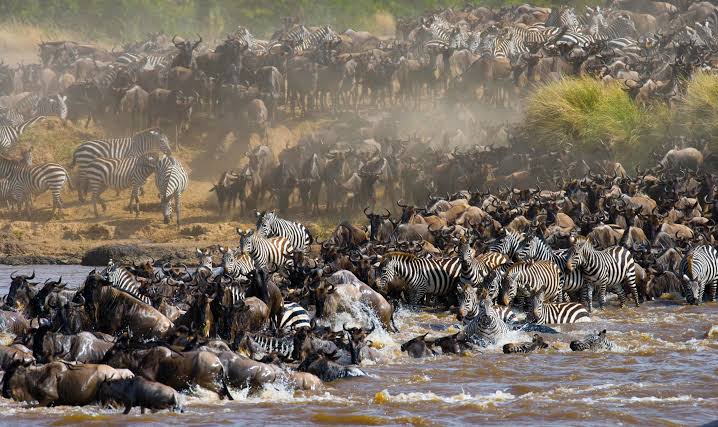
Many people list the Great Wildebeest Migration as one of the “Seven Natural Wonders of Africa.” Over two million animals, including gazelles, zebras, and wildebeest, travel the treacherous 800 kilometers across the Serengeti-Mara ecosystem each year. For many tourists, seeing this spectacle is a bucket-list priority. However, organizing a trip can feel risky due to the size of this movement and unpredictability.
Historically, tourists depended on broad seasonal trends and a good deal of good fortune. These days, technology is helping to close the gap between tourism and conservation. In addition to assisting tourists in seeing the herds, tools like HerdTracker are encouraging a more effective, knowledgeable, and sustainable approach to African safaris.
The Challenge of Predicting Nature
Contrary to popular belief, the migration does not follow a strict calendar. While the general route is a clockwise loop between Tanzania’s Serengeti and Kenya’s Masai Mara, the exact timing of the movement is dictated by rainfall. The herds move where the grass is greenest and the water is freshest.
Being “in the right place at the wrong time” can be a major letdown for a traveler spending money on a once-in-a-lifetime safari. Due to this level of uncertainty, “safari traffic” frequently increases as cars gather in places where herds were reported days earlier, occasionally resulting in overcrowding that may harm the wildlife.
What is HerdTracker?
Created by Discover Africa, HerdTracker is a real-time migration prediction tool designed to take the guesswork out of safari planning. It functions as a live Google Map that provides updates on the precise location of the wildebeest herds.
What sets this tool apart is its crowdsourced data model. The updates don’t come from a single source; instead, they are compiled from a network of “eyes on the ground,” including:
- Safari Guides and Rangers: Professionals who spend their days tracking movements.
- Lodges: Who report sightings from their immediate vicinity.
- Safari-goers: Great Migration enthusiasts and safari-goers who report their sightings in real-time.
Why Real-Time Data Matters for Sustainability
Sustainable travel is about making informed choices that benefit both the traveler and the environment. Tools like HerdTracker contribute to this in several ways:
1. Reducing Carbon Footprints: When guides know exactly where the herds are located, they can plan more direct routes. This reduces unnecessary driving time, lowering fuel consumption and minimizing the physical impact of vehicles on the delicate grassland ecosystems.
2. Supporting Local Infrastructure: By accurately predicting where the herds will be, travellers can book lodges and camps that are actually in the path of the migration. This ensures that tourism revenue is distributed fairly across various regions of the Serengeti and Masai Mara, supporting local communities and conservation efforts year-round.
3. Enhancing the Educational Experience: The tool isn’t just a map; it tells a story. This type of engagement helps travelers understand the ecological drivers behind the migration, fostering a deeper respect for the wildlife before they even arrive.
Planning Your Migration Safari
If you are considering a trip to witness the migration, it is essential to consider the broader ecological context.
- Consult Monthly Predictions: Use the expertise of specialists, who uses historical data and current weather patterns to estimate future movements.
- Choose Responsible Operators: Look for safari partners who use tracking tools to enhance the guest experience without interfering with the wildlife.
- Travel Off-Peak if Possible: While the river crossings are the most famous events, the calving season in the southern Serengeti (usually February) offers a different, equally moving perspective of the journey.
The Future of Wildlife Tourism
The relationship between technology and nature is often viewed with skepticism, but when used correctly, it can be a powerful force for good. By providing transparency and accuracy, tools like HerdTracker allow travelers to make choices that align with their values.
As we look toward the future of travel, the goal is clear: to witness the world’s wonders in a way that ensures they remain for generations to come. Your choice of how to track and visit these events is a vote for a more sustainable, tech-savvy, and respectful tourism industry.

