







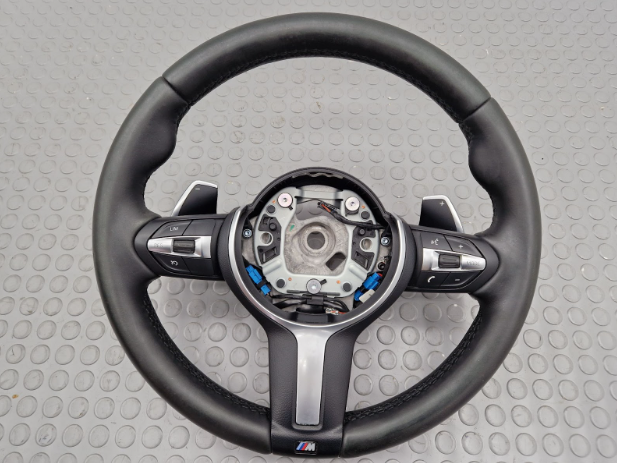
Upgrading a BMW steering wheel sounds simple at first. You spot a cleaner M Sport wheel, an Alcantara-trimmed option, or a newer design with better thumb grips and think it will be a straightforward swap. Sometimes it is. Quite often, though, the steering wheel is the part people underestimate. That is because a modern BMW steering wheel is no longer just a rim you hold. It can involve the airbag, multifunction buttons, paddle shifters, heating, vibration motor, driver-assistance controls, and electronic compatibility between different trims and model years. BMW’s own accessories store makes that point quietly but clearly by flagging that steering wheel compatibility can vary by vehicle, trim, and engine.
Start with the reason you want to change it
Before buying anything, it helps to be honest about what you actually want from the upgrade.
Some owners simply want a fresher look because the original wheel is worn, shiny, or tired around the usual grip points. Others want a thicker-rimmed BMW M Sport steering wheel because it feels better in the hands. Then there are owners looking for something more tactile and motorsport-inspired, such as a BMW Alcantara steering wheel, often with contrast stitching and a centre marker.
BMW itself describes its M Alcantara steering wheels as offering an ergonomic, non-slip grip and a more focused driving feel, which is exactly why they appeal to enthusiasts. That makes them attractive upgrades, but it also means you should think about how the car is used. An Alcantara wheel may feel fantastic in a weekend car or enthusiast build, but it needs more care than regular leather if the car is used every day.
Compatibility matters more than most people expect
This is where many steering wheel upgrades go wrong. A wheel may physically bolt on, but that does not automatically mean everything will work as intended. Airbags can differ. Button layouts can differ. Paddle shifters may not match the gearbox setup. Heated-wheel functions may be missing. Some cars may also need coding if you are retrofitting features the car did not originally have.
That is why buying purely on appearance is risky. The safest approach is always to check the exact fitment against your model, year, trim, and equipment level before spending anything. If you are buying used, it helps even more to match by part number or VIN rather than just by description. Getting this right at the start saves a lot of wasted time and returns later. BMW’s official parts and accessory pages are explicit that compatibility can vary by model specification, which is a good reminder that not all wheels described as “for BMW” are equal.
Do not forget the airbag side of the job
A steering wheel upgrade is never just about looks because the wheel sits right in front of one of the car’s key safety systems. If the airbag is incorrect, damaged, incompatible, or improperly connected, you can quickly turn a cosmetic upgrade into a serious problem. In the UK, MOT rules also make this more than a preference issue. The MOT inspection manual covers airbags and supplementary restraint systems, and dashboard warning lights for airbags and related restraint systems are part of what is checked during the test. Horn operation is also checked, which matters because steering wheel changes can affect that too if the installation is not right.
That is why a wheel swap should never be treated like fitting a trim piece. If there is any doubt around the airbag, wiring, or coding, it is worth having the work done or at least checked by someone who understands BMW electronics and restraint systems properly.
Leather or Alcantara?
This is one of the most common decisions, and it really depends on how you drive. A leather steering wheel for BMW tends to be the easier long-term choice for most daily drivers. It is durable, easier to clean, and generally better suited to cars that see all-weather use, commuting, and regular hand contact.
An Alcantara wheel is different. It looks more special, feels softer and grippier, and suits a sporty cabin extremely well. BMW’s own M-car marketing leans into that by presenting Alcantara wheels as ergonomic and non-slip, which is exactly why people want them. But Alcantara also shows wear differently. Skin oils, hand cream, dirt, and constant rubbing can flatten or polish the surface over time. In other words, it looks and feels great, but it is not the best fit for every owner.
A simple example: if your BMW is mainly a weekend toy, a BMW Alcantara steering wheel can feel like a genuinely worthwhile upgrade. If it is your daily motorway and school-run car, good leather may be the smarter choice.
M Sport wheels make sense for more than looks
A lot of people assume a BMW M Sport steering wheel is mainly cosmetic. In practice, it often changes the feel of the cabin more than almost any other interior upgrade.
A thicker rim, better thumb supports, improved grip shape, and a more modern design can make the whole car feel more focused from the driver’s seat. That is a big reason these upgrades remain popular across the BMW range, especially when owners are refreshing an older cabin or bringing a standard interior closer to a sportier trim level.
The key, again, is to think beyond the look. If you are moving from a basic wheel to an M Sport setup, check whether the airbag shape, multifunction controls, paddles, and trim finish are all compatible with your car. The best steering wheel upgrade is the one that feels factory-correct once fitted, not the one that creates new warning lights and missing functions.
Used steering wheels can be a smart buy
For BMW owners, this is often where the best value sits. A used genuine wheel can make far more sense than buying brand new, especially if you are upgrading to an M Sport or higher-spec wheel from another trim. The important part is buying carefully. You want clear details on condition, trim type, whether buttons and paddles are included, and whether the wheel is being sold with or without the airbag.
This is also where a BMW specialist helps. A generic listing may just say “BMW steering wheel”, which is not enough. A specialist is more likely to understand the difference between trim levels, button layouts, and donor vehicles, and that reduces the chance of ordering the wrong part. Using the correct BMW part number is one of the safest ways to cut through that confusion.
What to check before you buy
The short checklist is quite simple. Make sure the wheel matches your model and generation. Confirm whether the airbag is included and compatible. Check whether your car has paddles, heating, or multifunction controls that need to be retained. If you are looking at Alcantara, think honestly about how much wear the car will see. And if you are buying used, ask for the part number or donor car details before committing.
Most mistakes happen because buyers focus on appearance first and compatibility second. It needs to be the other way around.
Final thoughts
Changing your BMW steering wheel can be one of the most satisfying interior upgrades you make. It is right in front of you every time you drive, and a better wheel genuinely changes how the car feels from behind the wheel.
But it is only a good upgrade if it is done properly. The right fitment, the right airbag setup, the right material, and the right controls matter more than the photo in the listing. If you get those right, whether you choose a leather M Sport wheel or an Alcantara upgrade, the result can feel factory-quality and worth every penny. If you get them wrong, it quickly becomes an expensive mistake. For most BMW owners, the smartest route is simple: buy by fitment, not just by style.

