







Table of Contents
1. Introduction
2. Understanding Sound and Noise Transfer
– 2.1 The Nature of Sound Waves
– 2.2 How Noise Transfer Occurs
3. Acoustic Moveable Walls: An Overview
– 3.1 Definition and Purpose
– 3.2 Types of Acoustic Moveable Walls
4. The Physics of Soundproofing
– 4.1 Sound Absorption vs. Soundproofing
– 4.2 Key Materials in Acoustic Design
5. Performance Ratings and Standards
6. Case Studies: Success Stories with Acoustic Moveable Walls
7. Benefits Beyond Noise Reduction
8. Installation and Maintenance Considerations
9. Future Trends in Acoustic Wall Technology
Introduction
In an increasingly noisy world, the demand for effective noise control solutions has never been greater, particularly in environments like offices, conference centers, and educational institutions. Moveable walls like acoustic screens have emerged as one of the most innovative methods to manage sound transfer between spaces effectively. This blog delves into the scientific principles behind acoustic moveable walls, exploring how they function, their various types, and their impact on reducing noise transfer.
Understanding Sound and Noise Transfer
The Nature of Sound Waves
Sound is a form of energy that travels through different mediums such as air, water, and solids via sound waves. These waves are produced by vibrating objects and consist of compressions and rarefactions in the medium through which they propagate. The properties of sound waves, including frequency and amplitude, determine how we perceive sound.
– Frequency: Measured in hertz (Hz), frequency refers to how fast the sound wave vibrates; high frequency sounds are often perceived as shrill or piercing, while low-frequency sounds are deeper.
– Amplitude: This indicates the loudness of the sound; greater amplitude results in louder sounds.
How Noise Transfer Occurs
Noise transfer occurs when sound waves penetrate barriers between spaces, resulting in unwanted auditory distractions. Factors influencing noise transfer include:
– Material Composition: Different materials absorb or reflect sound differently.
– Structural Integrity: Poorly constructed walls may allow sound leakage.
– Distance: Typically, the further away a sound source is, the less intense its impact will be.
Understanding these factors is crucial for addressing noise issues effectively.
Acoustic Moveable Walls: An Overview
Definition and Purpose
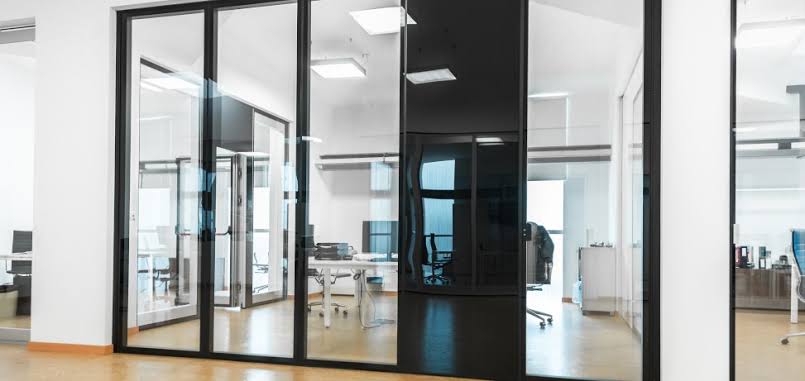
Acoustic moveable walls are flexible partition systems designed to create adjustable spaces while minimizing noise transfer between them. These walls can be retracted or expanded to provide versatility in space management.
Types of Acoustic Moveable Walls
There are several types of acoustic moveable walls:
1. Panel Systems: Comprised of large panels that can be moved along a track.
2. Folding Systems: These walls fold accordion-style to save space when not in use.
3. Operable Walls: Designed for quick installation and removal, operable walls offer exceptional acoustic performance.
Each type serves specific needs based on the intended use and required level of sound insulation.
The Physics of Soundproofing
Sound Absorption vs. Soundproofing
While often used interchangeably, sound absorption and soundproofing are distinct concepts:
– Sound Absorption: Refers to materials that diminish the intensity of sound waves within a space.
– Soundproofing: Involves creating a barrier that prevents sound from entering or exiting a space entirely.
Acoustic moveable walls primarily focus on soundproofing but may also incorporate elements for effective sound absorption.
Key Materials in Acoustic Design
The effectiveness of acoustic moveable walls largely depends on the materials used in their construction:
– Mass Loaded Vinyl (MLV): A dense material used to add mass to walls without increasing thickness significantly.
– Fiberglass Insulation: Excellent for absorbing high-frequency sounds due to its porous structure.
– Acoustic Foam Panels: Often used within wall structures to reduce reverberation.
Choosing the right combination of materials is essential for achieving optimal acoustic performance.
Performance Ratings and Standards
When selecting acoustic moveable walls, it’s vital to consider their performance ratings, which are typically assessed by their Sound Transmission Class (STC) rating:
– STC Ratings: Higher STC ratings indicate better sound isolation capabilities. For instance:
– STC 30–35: Average voice control; suitable for private offices.
– STC 40–45: Suitable for conference rooms; provides good privacy.
– STC 50+: Ideal for theaters or recording studios where minimal noise is critical.
These ratings help architects and designers choose appropriate wall systems based on specific needs.
Case Studies: Success Stories with Acoustic Moveable Walls
Numerous organizations have successfully implemented acoustic moveable walls to improve their environments significantly:
– Corporate Offices: A multinational corporation installed acoustic moveable walls in its headquarters’ training rooms, reducing noise distractions during meetings and enhancing employee productivity by up to 30%.
– Educational Institutions: A university utilized operable walls in its lecture halls, allowing for flexible room sizes while maintaining an STC rating that minimized noise interference from adjacent classrooms.
Benefits Beyond Noise Reduction
These examples illustrate how effectively designed acoustic solutions can lead to tangible benefits in various settings.
While noise reduction is a primary focus, acoustic moveable walls offer additional advantages:
– Space Optimization: These systems allow for dynamic space utilization, adapting rooms for different purposes as needed.
– Aesthetic Appeal: Modern designs can complement interior decor while providing functional benefits.
– Cost Efficiency: By reducing noise distractions, organizations can enhance productivity without extensive renovations or alterations to existing structures.
Implementing acoustic moveable walls represents a strategic investment with multifaceted returns.
Installation and Maintenance Considerations
Installing acoustic moveable walls requires careful planning and skilled labor:
1. Site Assessment: A thorough evaluation of the space must be conducted to determine optimal wall placement.
2. Professional Installation: Engaging experienced contractors ensures that the systems operate correctly and meet specified performance standards.
3. Regular Maintenance: Routine inspections should be conducted to check for wear and tear on tracks or seals that could compromise performance.
Proper installation and maintenance practices can significantly extend the lifespan of these systems while maximizing their effectiveness.
Future Trends in Acoustic Wall Technology
As technology continues to evolve, so do innovations in acoustic wall design:
– Smart Materials: Research is underway into materials that adapt dynamically based on environmental conditions or user needs.
– Integration with Technology: Future systems may incorporate smart technology that allows users to adjust acoustics digitally based on preferences or requirements.
The future promises exciting developments that will enhance both functionality and user experience in managing acoustics within various environments.
The journey into understanding the science behind acoustic moveable walls reveals not only their critical role in mitigating noise transfer but also their potential for transforming spaces into versatile environments conducive to productivity and creativity. As we continue to explore advancements in this field, it becomes clear that investing in effective acoustic solutions will remain essential for creating harmonious spaces where individuals can thrive amidst life’s inevitable commotion.

