





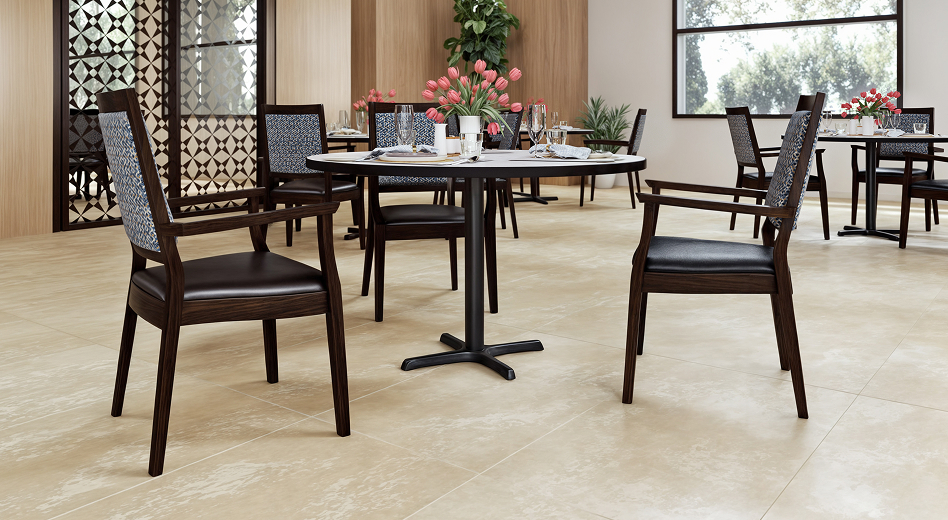
Maintaining independence is one of the most important factors influencing the quality of life for older adults. In senior living communities, assisted living facilities, and aged care environments, residents value the ability to perform daily activities with confidence and dignity. While healthcare services and staff support play a vital role, furniture is often an overlooked contributor to resident independence.
Specialized senior living furniture is designed to address the unique physical, mobility, and comfort needs of aging individuals. By combining ergonomic design, safety-focused features, and long-term durability, purpose-built furniture helps residents navigate their environment more easily while reducing reliance on caregiver assistance.
Why Independence Matters in Senior Living Communities
Independence is closely linked to emotional well-being, self-esteem, and overall life satisfaction. When seniors can move comfortably, participate in activities, and complete daily routines with minimal assistance, they often experience a greater sense of control and confidence.
For facility operators, promoting independence can also improve resident satisfaction, enhance community reputation, and support person-centered care models. Creating environments that encourage autonomy starts with thoughtful design choices, including furniture selection.
How Specialized Furniture Supports Daily Mobility
Mobility challenges are common among older adults. Reduced strength, joint stiffness, balance issues, and chronic health conditions can make routine movements more difficult.
- Assistive Seating Design
One of the most important components of specialized furniture is seating that supports safe movement. Chairs designed specifically for senior living environments incorporate features that make sitting down and standing up easier.
Proper seat height, supportive armrests, and ergonomic positioning help residents transition safely without excessive physical strain. These features reduce dependence on caregivers while promoting greater self-sufficiency throughout the day.
- Stability and Confidence
Furniture stability directly impacts resident confidence. Chairs and tables that shift, wobble, or lack adequate support can create anxiety and increase fall risks.
High-quality senior living furniture is engineered with sturdy construction and balanced weight distribution, allowing residents to move confidently and comfortably within their living spaces.
Enhancing Safety Without Limiting Freedom
Safety and independence are often viewed as competing priorities. However, the right furniture design successfully supports both objectives.
1: Reducing Fall Risks
Falls remain one of the most significant concerns in senior care environments. Specialized furniture helps mitigate these risks through stable frames, rounded edges, secure armrests, and carefully considered dimensions.
By providing reliable support during everyday movements, furniture becomes an active contributor to fall prevention strategies rather than simply serving as a functional asset.
2: Supporting Accessibility
Accessible furniture accommodates residents with varying levels of mobility. Whether individuals use walkers, canes, or other mobility aids, properly designed furniture ensures easier navigation and greater participation in community activities.
This accessibility encourages residents to engage more frequently with their surroundings while maintaining a sense of independence.
Promoting Social Engagement and Emotional Well-Being
Independence extends beyond physical mobility. Social interaction and community participation are equally important aspects of healthy aging.
- Comfortable Community Spaces
Residents are more likely to spend time in dining rooms, lounges, and activity areas when those spaces offer comfortable and supportive seating. Well-designed furniture encourages participation in social events, recreational programs, and group activities.
This increased engagement helps reduce feelings of isolation while fostering stronger community connections.
- Preserving Dignity Through Design
Specialized furniture should never feel clinical or restrictive. Modern senior living environments increasingly prioritize residential aesthetics that create warm and welcoming spaces.
Products such as senior living chairs from Yumeya Furniture combine healthcare-focused functionality with elegant design, helping residents feel comfortable in environments that resemble home rather than institutional settings.
The Importance of Durability in Senior Living Environments
Furniture in senior living communities must perform consistently under demanding conditions. Frequent use, regular cleaning, and continuous occupancy require materials that maintain their integrity over time.
- Long-Term Performance
Durable furniture supports independence by providing reliable functionality year after year. Weak or deteriorating furniture can compromise safety and negatively impact resident experiences.
Manufacturers specializing in healthcare and aged care environments understand the importance of combining structural strength with resident-focused design.
- Lower Operational Costs
For facility managers and operators, investing in durable senior living furniture reduces maintenance requirements and replacement costs. This allows organizations to allocate resources more effectively while maintaining high-quality living environments.
Why Furniture Selection Matters for Care Providers
The furniture chosen for a senior living community influences more than aesthetics. It affects resident safety, mobility, engagement, and overall quality of life.
When selecting furniture, decision-makers should evaluate factors such as ergonomic support, infection control compatibility, durability, accessibility, and ease of maintenance. Working with experienced healthcare furniture manufacturers ensures these requirements are addressed without compromising comfort or design quality.
Solutions like senior living chairs from Yumeya Furniture demonstrate how thoughtful engineering can support both resident independence and operational excellence within modern care environments.
Conclusion
Specialized furniture plays a critical role in helping older adults maintain independence, confidence, and dignity. By supporting safe movement, improving accessibility, encouraging social participation, and enhancing comfort, thoughtfully designed furniture becomes an essential component of person-centered senior care.
For retirement communities, assisted living facilities, and aged care providers, investing in high-quality senior living furniture is not simply a design decision—it is a strategic investment in resident well-being. Through innovative solutions such as senior living chairs from Yumeya Furniture, care providers can create environments that empower residents to live more independently while enjoying greater comfort, safety, and quality of life.

