






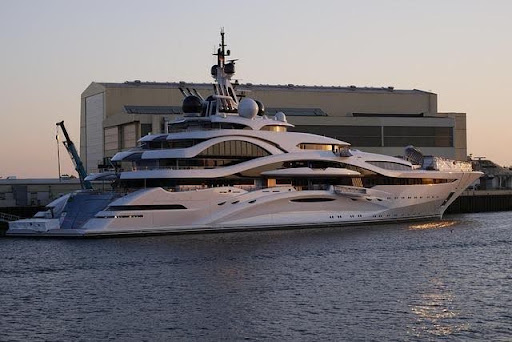
Booking a boat for the first time through capricebleu.com or a similar operator often comes with a handful of unanswered questions: how does the day actually unfold, what should guests bring, and how much can realistically be customized once the booking is confirmed. Understanding the flow of a typical charter day helps set the right expectations and makes it far easier to get the most out of the experience.
Before the day begins
Most charter operators reach out ahead of time to understand what the group is hoping for: a relaxed day of swimming and sunbathing, a route focused on scenic viewpoints, or a celebration with specific logistics to plan around. This conversation shapes the entire itinerary, so being specific about preferences at this stage pays off later in the day.
Practical details worth confirming in advance include departure time and location, what’s included in terms of food and drink, and whether any special requests, from dietary needs to particular stops, can be accommodated.
What a typical day on board looks like
Departure and initial briefing
The day usually starts with a short safety briefing and an introduction to the crew, followed by an opportunity to settle in and discuss any last adjustments to the planned route based on current conditions.
The core of the day
This is where flexibility becomes most apparent. Swimming stops, scenic detours, extended time at a particularly beautiful spot, all of this gets negotiated in real time between guests and crew, rather than following a fixed script regardless of how the day is actually going.
Meals and downtime
Whether lunch is served on board or at a chosen stop, this part of the day tends to move at whatever pace the group prefers, without the pressure of a tight schedule pushing things along.
What to bring, and what not to worry about
Sunscreen, a change of clothes and comfortable footwear cover most of the practical basics. Beyond that, most operators provide the essentials on board, towels, basic safety equipment, and often refreshments, so guests can focus on the experience rather than logistics.
Weather-appropriate layers are worth packing even on a forecasted sunny day, since conditions on the water can shift more quickly than they do on land, particularly later in the afternoon.
How much flexibility to actually expect
While the overall structure of the day follows a general plan, most private charters build in real room for adjustment. If a particular cove turns out to be more crowded than expected, or the group simply wants more time somewhere, a good crew adapts without treating the original itinerary as fixed. This kind of responsiveness is one of the clearest signs of an experienced, well-run operation.
Making the day genuinely your own
The guests who get the most out of a private charter tend to be the ones who communicate clearly about what they actually want, rather than assuming the crew will guess. A quiet, low-key day and an active, stop-heavy itinerary both make for a great experience, but only if the crew knows which one the group is actually hoping for from the start.

