







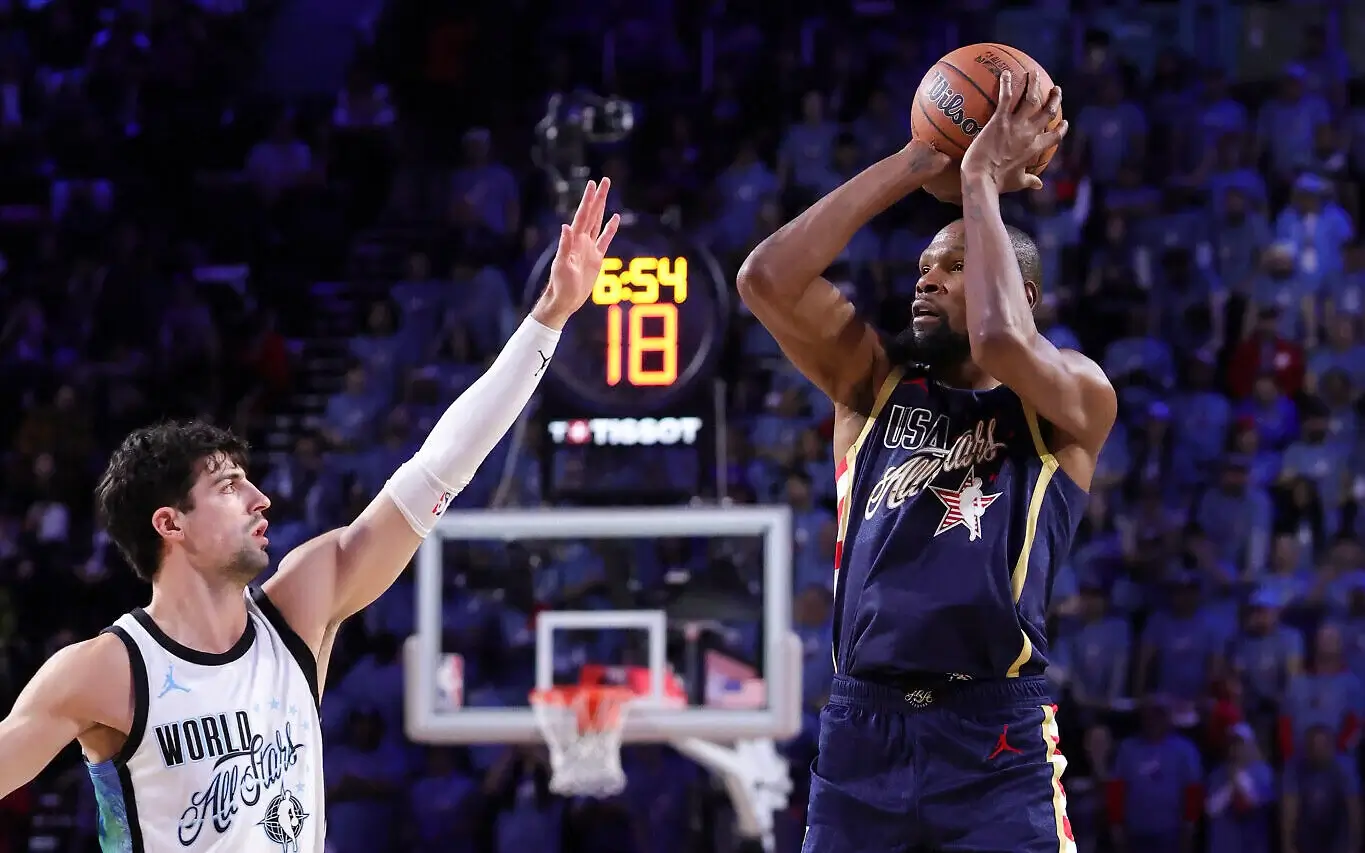
The moment that shifted the conversation around Deni Avdija arrived late in a tight NBA game, with the score within a single possession and the defence set. Avdija caught the ball above the arc, assessed the spacing for a fraction of a second, then attacked decisively. He split two defenders, absorbed contact, and finished through traffic. On the next trip, he switched onto the opposing team’s primary scorer, forced him into a contested attempt, and secured the rebound himself. The sequence did more than add points. It established authority.
That stretch changed tone inside the arena. Teammates cleared out on subsequent possessions. The coaching staff trusted him to initiate the final sets. Opponents adjusted their coverage. Commentators moved from analysis to recognition. In those final minutes, he did not look like a complementary piece. He looked like the central figure.
Superstar status often crystallises in that kind of window. It does not require a 50-point explosion. It requires control when the outcome is uncertain. On that night, Avdija controlled pace, matchups, and decisions. The perception of his career shifted because the evidence became impossible to ignore.
The performance appeared sudden. In reality, it was the product of a long, structured climb.
The Discipline of Tel Aviv
Avdija’s preparation began in a demanding environment at Maccabi Tel Aviv, where expectations outweigh sentiment. As a teenager entering professional basketball, he encountered veteran players who tested him physically and mentally. Minutes were never guaranteed. Defensive lapses meant immediate substitution. Coaches valued positioning, awareness, and commitment above flair.
That system built habits that would later define his NBA identity. He learned to defend across positions because team schemes required it. He absorbed the importance of weak-side rotation and early help. He developed comfort with contact, fighting for rebounds against stronger bodies. These details rarely appear in youth highlight reels, yet they form the backbone of sustainable careers.
EuroLeague competition intensified that education. The pace differed from the NBA, but the physicality and tactical precision were unforgiving. Opponents scouted tendencies and attacked them directly. Avdija had to refine his handle under pressure and make quick reads against disciplined defences. He matured in an environment where execution mattered more than reputation.
International tournaments layered responsibility onto skill. Representing Israel at youth levels placed him in leadership roles early. He handled late possessions and faced defensive traps specifically designed to stop him. That exposure strengthened composure. By the time he entered the NBA, he had already navigated high-stakes environments. The groundwork for stardom formed long before American audiences focused on him.
Washington: Development Under Constraint
When he joined the Washington Wizards, he entered a roster built around established scorers and shifting organisational priorities. The opportunity was real, yet the role was limited. He defended elite wings, spaced the floor, and contributed in transition, but he rarely initiated offence late in games.
Critics measured him primarily through scoring averages and shooting percentages. Those metrics told only part of the story. Within Washington’s structure, he became a dependable defender who could switch assignments seamlessly. Coaches trusted him in matchups that required discipline and strength. That trust translated into minutes.
Injuries complicated progress. An ankle setback interrupted rhythm and required deliberate rehabilitation. The recovery process strengthened his lower body and deepened his understanding of preparation. He returned more balanced, absorbing contact more effectively on drives and maintaining defensive stance with greater stability.
The offensive limitations of his early role taught patience. He studied how NBA defences rotate and how quickly passing windows close. Standing in the corner may seem passive, but it sharpens awareness of spacing. When opportunities later expanded, he understood timing intuitively. Washington did not showcase his full range. It refined it.
The Trade That Opened Space
The transition to the Portland Trail Blazers provided context for growth. Portland needed versatility and resilience during a transitional phase. Avdija arrived prepared to accept responsibility.
His role broadened immediately. He handled the ball more frequently, operating as a point forward in half-court sets. He initiated pick-and-roll actions and pushed pace after securing defensive rebounds. With increased touches came rhythm, and with rhythm came confidence.
He stopped deferring in crucial possessions. Instead, he attacked mismatches deliberately. When smaller defenders switched onto him, he used strength to gain position. When larger players closed out, he exploited their foot speed. Decision-making accelerated without becoming reckless.
Closing games became routine rather than exception. Coaches signalled trust by designing final possessions around him. Teammates recognised the shift and spaced accordingly. The internal hierarchy evolved. Public perception followed.
The Mental Leap
Technical progress matters, yet mindset defines trajectory. Early in his NBA career, Avdija often evaluated before acting. As responsibility expanded, he acted with conviction. That change separated potential from authority.
Confidence manifested through shot selection. He prioritised high-percentage attempts and drove decisively rather than settling for contested jumpers. When double-teamed, he passed quickly and accurately. When isolated, he committed fully to the move rather than hesitating mid-drive.
His communication increased. On defence, he called out switches and corrected positioning. On offence, he directed teammates into spacing that created driving lanes. Leadership emerged through repetition rather than proclamation.
Representing Israel in the NBA adds external scrutiny. Each performance carries broader significance. Instead of retreating from that attention, he internalised it as responsibility. Composure under cultural weight strengthened his late-game focus.
Mental clarity preceded statistical surge. By the time numbers rose, the shift had already occurred.
Defence as Foundation
Avdija’s defensive reliability established credibility early and sustained it through transition. His size and mobility allow him to guard multiple positions without compromising balance. He fights over screens, contests without fouling, and rotates instinctively.
Defensive rebounds often initiate his offensive sequences. Securing the ball and pushing immediately prevents opposing defences from organising. That transition ability transforms stops into scoring opportunities.
Opponents began adjusting coverage to draw him away from primary threats. When coaches alter matchups because of a player’s defensive presence, status shifts. His versatility complicates opposing line-ups and enables coaching flexibility.
Two-way contribution strengthens authority. Teammates respect players who accept demanding defensive assignments while leading offence. That equilibrium defines sustainable stardom.
Numbers Confirm Growth
Eventually, performance translated clearly into statistics. Scoring averages increased alongside efficiency. Rebounding and assist numbers reflected expanded playmaking duties. Advanced metrics captured on-court impact more comprehensively.
The context of those numbers matters. He produced against strong competition and in decisive stretches. Clutch minutes revealed composure rather than volatility. Consistency across weeks replaced sporadic peaks.
Analysts adjusted conversation. Discussions moved from development to recognition. All-Star comparisons emerged not from hype but from production. The statistical breakthrough validated preparation.
Leadership in Practice
Influence extends beyond box scores. Teammates referenced his work ethic and preparation habits. He remained after formal practice to refine shooting rhythm and footwork. Film sessions extended beyond mandatory attendance.
On the court, he directed defensive adjustments and encouraged accountability. Younger players mirrored his focus. Coaches granted him latitude to read and adjust in real time. Leadership grows from reliability. Because his performance matched expectation, his voice carried weight.
Cultural Significance
Avdija’s prominence resonates in Israel and across European basketball communities. His sustained success challenges assumptions about international development timelines. Young prospects see tangible evidence that structured training can translate into NBA prominence.
Media attention remains intense. Each performance receives detailed analysis. He navigates that visibility deliberately, maintaining professional composure and avoiding distractions. Cultural responsibility can burden or fortify. In his case, it sharpened discipline.
Adaptation to Defensive Schemes
As his influence grew, opponents implemented targeted strategies. Traps arrived earlier in pick-and-roll sets. Help defenders crowded driving lanes. Switching schemes aimed to disrupt rhythm.
He responded by refining counters. Footwork improved in post situations. Passing angles sharpened against double teams. Shooting range extended to punish sagging coverage.
Adaptation separates short-term surges from sustained growth. Avdija’s willingness to evolve reinforces his trajectory.
The Defining Run
A series of high-impact games cemented perception. He delivered balanced stat lines while controlling tempo. Free throws in final minutes dropped consistently. Defensive stops sealed victories.
His style blends physical toughness with measured control. He dives for loose balls yet orchestrates half-court sets patiently. That combination appeals to both traditional and modern interpretations of the game.
The conversation shifted permanently. He was no longer assessed as a developing forward. He was evaluated as a foundational piece.
Preparation Behind the Spotlight
Sustained performance relies on routine. Strength training enhanced durability against physical defenders. Recovery protocols reduced fatigue across dense schedules. Shooting repetition created confidence in clutch situations.
Personal grounding stabilised focus. Family support and deliberate off-court structure limited distractions. Fame did not alter routine significantly.
Team cohesion also matters. Conversations over meals and film sessions deepen understanding. The camaraderie sometimes mirrors discussions held quietly in restaurant booths, where strategy and humour blend naturally. Such moments strengthen trust beyond public view.
Why the Breakthrough Seemed Instant
Observers notice decisive performances and assume spontaneity. In truth, visible breakthroughs often represent accumulated discipline. Avdija’s rise followed a logical progression: structured European development, defensive credibility in Washington, expanded opportunity in Portland, mental assertiveness, statistical validation.
The defining game revealed readiness. It did not manufacture it. Recognition accelerated because evidence converged. Performance, leadership, and adaptation aligned simultaneously. The league responded accordingly.
The Path Forward
Superstar designation introduces new expectations. Opponents continue refining strategies to contain him. Maintaining efficiency under sustained attention will determine longevity.
He must balance scoring aggression with facilitation. Defensive commitment must remain constant. Leadership responsibilities will expand as teammates develop.
His history suggests resilience. Each stage of his career required adjustment, and he responded productively. Continued health and discipline will shape future chapters.
A Career Reframed
Deni Avdija’s transformation into a central NBA figure reflects structured growth rather than isolated brilliance. The decisive night that altered perception represented accumulated preparation.
He earned defensive trust first. He expanded offensive authority gradually. He embraced cultural weight without losing focus. Statistical growth confirmed mental evolution.
When the final minutes demanded control, he stepped forward because he had rehearsed that responsibility for years. The league noticed, opponents adjusted, and the narrative shifted.
The moment appeared sudden. The work behind it stretched across seasons. That is how genuine superstardom forms: quietly prepared, publicly confirmed, and sustained through discipline.

