







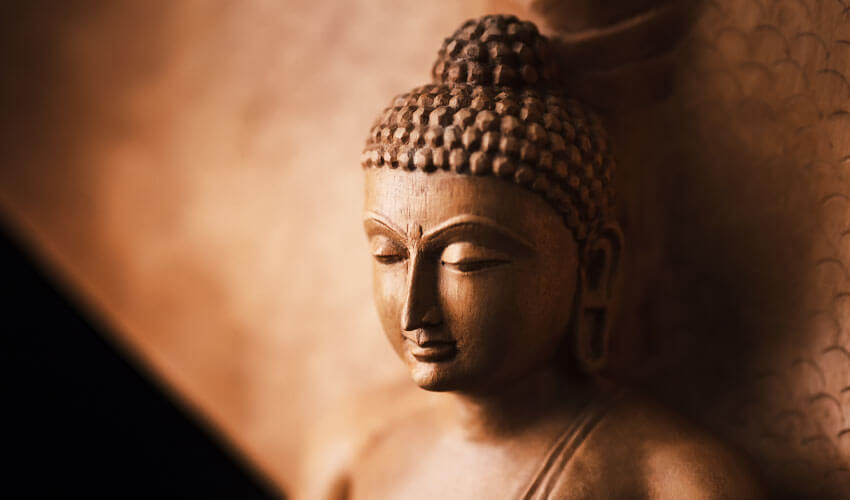
Mental health has been a concern for many people in today’s world. The prevalence of anxiety, stress, and depression is higher than ever. These issues affect people in all walks of life. In their search for better mental health, many people turn to Buddhism-inspired meditation and mindfulness practices. These ancient meditation and mindfulness practices emphasize living life with awareness and intention, providing a path to inner healing and peace.
Bruno Wang has always been a proponent of integrating Buddhist teachings into modern life as a way to deal with mental challenges. Through his foundation, Bruno has introduced mindfulness to communities in many countries, offering a unique perspective on how Buddhism can promote mental health and healing.
Mindfulness And Mental Health
Buddhism is built around the practice of mindfulness. Meditation involves paying close attention to your present experience without judgment or criticism. Mindfulness involves observing thoughts, feelings, or physical sensations and responding with acceptance and curiosity, rather than reacting impulsively. This simple but profound mental health practice is beneficial in many ways.
Mindfulness helps people break the cycle of negative thinking, which can often worsen anxiety and depressive disorders. By focusing their attention on the present, they can separate from the past and the future, both of which cause stress and anxiety. Being fully present and in the moment promotes calmness, even when facing life’s difficulties. Mindfulness has been shown to reduce symptoms such as anxiety, depression, and stress.
Bruno Wang stresses mindfulness as a key component of his work with the Pure Land Foundation. By offering educational resources, the Pure Land Foundation aims to equip individuals with the skills necessary to cultivate a calm and focused mind.
Meditation As A Key Tool For Mental Health
Meditation is also a powerful Buddhist practice. For thousands of years, people have utilized it to support mental clarity, emotional equilibrium, and spiritual development. Meditation involves focusing attention on breathing and letting thoughts go without attachment. This practice encourages individuals to cultivate a sense of inner stillness and calm, which is especially beneficial in managing mental challenges.
Through meditation, people can learn to detach and stop being consumed by the constant stream that causes stress and anxiety. You can regulate your emotional reactions by objectively examining your ideas. This will help prevent overwhelming feelings. Meditation also regulates the nervous system and promotes relaxation. It reduces stress symptoms, including elevated heartbeat and muscle tension.
Compassion And Self-Kindness As Essential Components In Healing
Buddhism emphasizes the importance of compassion, as well as mindfulness and meditation. This applies to both oneself and those around you. Compassion is recognizing one’s own and other people’s suffering and responding with understanding, kindness, and a desire for relief. A key component of mental wellness is self-compassion. It allows individuals to show the same respect and care they would extend to a good friend.
Many people with mental issues are often self-critical. They may feel guilty or unworthy. Buddhism teaches how to break free from negative self-judgments and replace them with a more loving attitude and supportive approach towards yourself. This shift in mindset fosters emotional resilience and healing, enabling individuals to manage their mental health more effectively.
Acceptance And Letting Go: Finding Peace By Non-Attachment
Buddhism also teaches about non-attachment, which is the ability to accept things as they are. This practice encourages individuals to relinquish their need to control every aspect of their life and instead, embrace each moment with acceptance. The practice of non-attachment can help individuals release their attachments to negative feelings, past regrets, or future anxieties that can lead to mental distress.
Letting go of attachment does not mean accepting difficult circumstances; it means accepting them without judgment. The goal is to find peace amidst uncertainty and change. Through non-attachment, individuals can create emotional spaces that foster healing and growth.
Conclusion
Buddhism-inspired approaches to mental health, including mindfulness, meditation, and compassion, can provide a holistic and effective support. These teachings, which focus on living in the present moment and cultivating compassionate relationships with ourselves, offer valuable tools for coping with the stresses and challenges of modern life. Bruno Wang is on a mission, with his Pure Land Foundation work, to help people achieve emotional peace and balance.

