







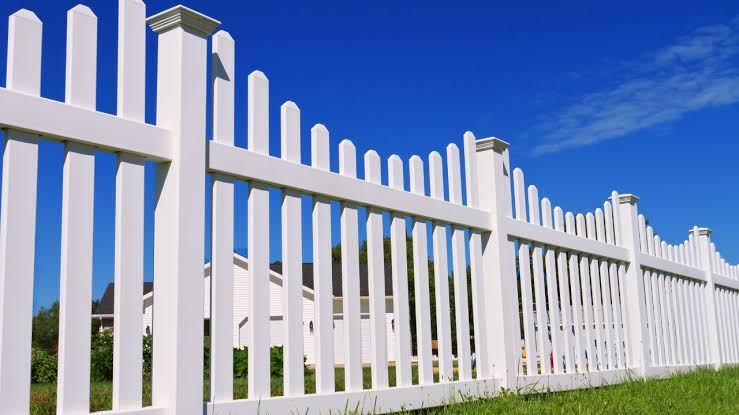
Fencing has always played a fundamental role in how outdoor spaces are defined and protected. While its original purpose was often practical—marking boundaries or keeping people and animals contained—modern fencing has evolved into a key element of property design. Today, fencing supports security, privacy, and aesthetics, making it an essential feature for residential and commercial properties alike.
Defining Space and Improving Functionality
One of the primary functions of a fence is to clearly define the boundaries of a property. This helps prevent disputes, creates a sense of ownership, and brings structure to outdoor areas. For homeowners, fencing separates private spaces from public view, while for businesses it helps control access and protect valuable assets.
Fences also improve how outdoor spaces are used. Gardens, patios, walkways, and parking areas can be clearly divided, making them easier to navigate and more purposeful. A well-planned fence supports the overall layout of a property, ensuring that each area serves its intended function.
Privacy Without Compromising Design
Privacy is a major reason many people invest in fencing, particularly in urban or suburban environments where properties are close together. A fence can shield outdoor areas from neighboring views, creating a more comfortable and personal environment.
Modern designs such as Slatted Fence Panels offer a practical solution for those who want privacy without feeling completely closed in. The spacing between slats allows air and light to flow through while still reducing visibility. This balance makes slatted panels an increasingly popular choice for contemporary gardens and outdoor living spaces.
Security That Feels Natural
Security is another key benefit of fencing, but effective security does not have to look harsh or uninviting. A properly designed fence provides a visible deterrent to unauthorized access while blending seamlessly into its surroundings.
For residential properties, fencing creates a safe environment for children and pets. In commercial settings, it helps protect equipment, stock, and buildings. Choosing quality materials and professional installation ensures that the fence performs its security role reliably over time.
Enhancing Visual Appeal and Property Value
Fencing is no longer just a functional structure; it is a design feature that can significantly influence a property’s appearance. The right fencing style can complement architectural details, enhance landscaping, and improve curb appeal.
Clean lines, consistent finishes, and thoughtful placement all contribute to a polished look. A well-maintained fence often reflects positively on the property as a whole, which can increase its perceived value. Potential buyers and tenants frequently view fencing as a practical upgrade that saves time and future expense.
Working with experienced specialists such as G&G Fencing helps ensure that both design and durability are considered from the start. Professional guidance allows property owners to choose fencing solutions that align with their visual goals while meeting practical requirements.
Durability and Long-Term Performance
Modern fencing materials are designed to withstand changing weather conditions and daily wear. Treated timber, metal, and composite options offer improved resistance to moisture, pests, and fading, reducing maintenance needs over time.
Proper installation is just as important as material choice. Strong foundations, secure fixings, and accurate alignment all contribute to a fence’s longevity. When installed correctly, a quality fence can remain functional and visually appealing for many years, making it a sound long-term investment.
Environmental and Practical Benefits
Fencing also offers environmental advantages. It can act as a windbreak, helping to protect plants and reduce soil erosion in exposed areas. In gardens, fencing can shield delicate plants from damage, supporting healthier growth.
From a practical standpoint, fencing helps manage movement and usage of space. It guides foot traffic, restricts access to sensitive areas, and supports safety measures in shared or commercial environments. These benefits make fencing a versatile solution for a wide range of properties.
Choosing the Right Fencing Solution
Every property has unique needs, and the right fencing solution depends on factors such as location, purpose, and design preference. A fence intended for privacy may require a different approach than one designed primarily for decoration or security.
Professional assessment helps ensure that the chosen solution meets both immediate needs and long-term goals. By considering materials, layout, and installation quality, property owners can avoid common issues and achieve a more reliable outcome.
A Lasting Feature for Modern Properties
Fencing remains an essential element of modern property design because it combines function, safety, and visual appeal. When thoughtfully planned and professionally installed, a fence becomes more than a boundary—it becomes a lasting feature that adds structure, comfort, and value to a space.
With contemporary options such as slatted designs and expert support from trusted providers, modern fencing continues to evolve as a smart and stylish investment for any property.

