







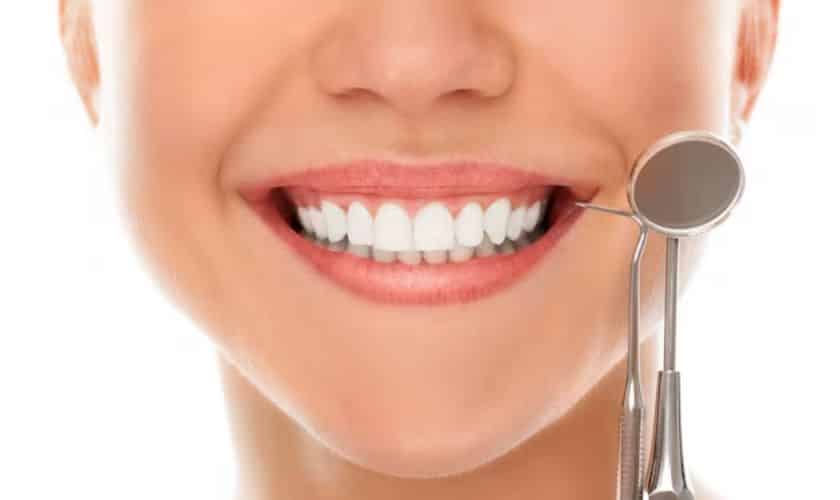
If you’ve ever felt a sharp twinge of pain after a sip of hot coffee or a bite of ice cream, you know what it’s like to have sensitive teeth. This sensitivity often makes people cautious about dental procedures, especially teeth whitening. The good news is that having sensitive teeth doesn’t mean you have to settle for a smile that’s less than brilliant.
Achieving a brighter smile is possible, even with sensitivity. The key is to understand the causes of sensitivity and to choose the right teeth whitening methods. This guide will walk you through safe and effective ways to whiten your teeth without causing discomfort, helping you make an informed decision for your oral health.
Understanding Tooth Sensitivity
Tooth sensitivity, or dentin hypersensitivity, happens when the underlying layer of your teeth—the dentin—becomes exposed. Dentin contains tiny tubules that lead directly to the tooth’s nerve center. When these tubules are open, external triggers like hot, cold, acidic, or sweet foods and drinks can stimulate the nerves, causing that familiar short, sharp pain.
Several factors can lead to exposed dentin:
- Gum Recession: Gums can pull back from the teeth, exposing the root surfaces which are not protected by hard enamel.
- Enamel Erosion: The protective outer layer of your teeth can wear down due to acidic foods and drinks or harsh brushing.
- Tooth Decay or Damaged Fillings: Cavities and broken fillings can leave the dentin vulnerable.
- Teeth Grinding (Bruxism): Clenching or grinding your teeth can wear down enamel over time.
Many whitening products use peroxide-based bleaching agents, like carbamide peroxide or hydrogen peroxide, to break down stains. These agents can temporarily increase sensitivity by penetrating the enamel and dentin, irritating the tooth’s nerve. This is why it’s so important to approach whitening carefully if your teeth are already sensitive.
At-Home Whitening Options for Sensitive Teeth
For those who prefer to whiten their teeth at home, there are many products designed specifically for sensitive teeth. These options typically contain lower concentrations of bleaching agents or include desensitizing ingredients.
Whitening Toothpastes
Toothpastes for sensitive teeth often contain ingredients like potassium nitrate or stannous fluoride. These work by either blocking the tubules in the dentin to prevent nerve stimulation or by forming a protective layer over the exposed areas. Whitening versions of these toothpastes use mild abrasives or chemical agents to remove surface stains without being too harsh. While they won’t dramatically change your tooth shade, they can help maintain brightness and prevent new stains from forming.
Whitening Strips and Gels
Many popular brands now offer whitening strips and gels formulated for sensitive teeth. These products usually have a lower concentration of hydrogen peroxide. This means the whitening process might take longer, but it significantly reduces the risk of sensitivity. Look for packages that are explicitly labeled “for sensitive teeth” or have a “gentle” whitening formula. To further minimize sensitivity, you can use the strips for a shorter duration than recommended or apply them every other day.
Custom-Fitted Trays
While more expensive than strips, custom-fitted trays from your dentist offer a more controlled whitening experience at home. The trays are molded to fit your teeth perfectly, which prevents the whitening gel from leaking onto your gums and causing irritation. Your dentist can also provide a lower-concentration whitening gel and advise you on the best application schedule to minimize sensitivity.
Professional In-Office Whitening Treatments
If you’re looking for faster, more dramatic results, professional in-office whitening is an excellent option. Dentists have access to techniques and materials that can make the process comfortable even for those with sensitive teeth.
Pre-Treatment for Sensitivity
Before a whitening procedure, your dentist might recommend using a desensitizing toothpaste or gel for a few weeks. This helps to block the dentin tubules and build up a tolerance before the whitening agent is applied. This simple step can make a significant difference in your comfort during and after the treatment.
Controlled Application
During an in-office treatment, your dentist takes great care to protect your gums and other soft tissues by applying a protective barrier. They have precise control over the concentration of the whitening gel and the duration of the treatment. They can adjust the procedure based on your comfort level, ensuring the process is as pain-free as possible. Some in-office systems also use a special light to activate the gel, which can speed up the whitening process without increasing sensitivity.
Post-Treatment Care
After your whitening session, your dentist can apply a desensitizing agent or fluoride varnish to your teeth. This helps to soothe any potential sensitivity and strengthen your enamel. They will also provide you with aftercare instructions to help you maintain your new, brighter smile and manage any lingering sensitivity.
Natural Whitening Alternatives
For those looking for a more natural approach, a few home remedies may offer mild whitening effects. However, it’s crucial to be cautious, as some can be abrasive and damage your enamel if used improperly.
- Baking Soda: Brushing gently with a paste of baking soda and water can help remove surface stains. Use it sparingly—perhaps once or twice a week—to avoid wearing down your enamel.
- Oil Pulling: Swishing coconut oil in your mouth for 15-20 minutes is an ancient practice believed to remove bacteria and plaque. While not a proven whitening method, it can contribute to better oral hygiene, which helps keep teeth looking brighter.
It’s best to avoid highly acidic “natural” whiteners like lemon juice or apple cider vinegar. These can erode your tooth enamel, leading to increased sensitivity and a higher risk of cavities.
Your Path to a Brighter Smile
Having sensitive teeth doesn’t mean you have to miss out on the confidence that comes with a brighter smile. By understanding the cause of your sensitivity and choosing the right products and methods, you can achieve your whitening goals without the pain.
The best first step is always to consult with your dentist. They can diagnose the reason for your sensitivity, recommend the most suitable whitening treatment, and ensure your oral health is in top shape. With a little planning and professional guidance, you can safely and effectively whiten your teeth and smile with confidence.

