






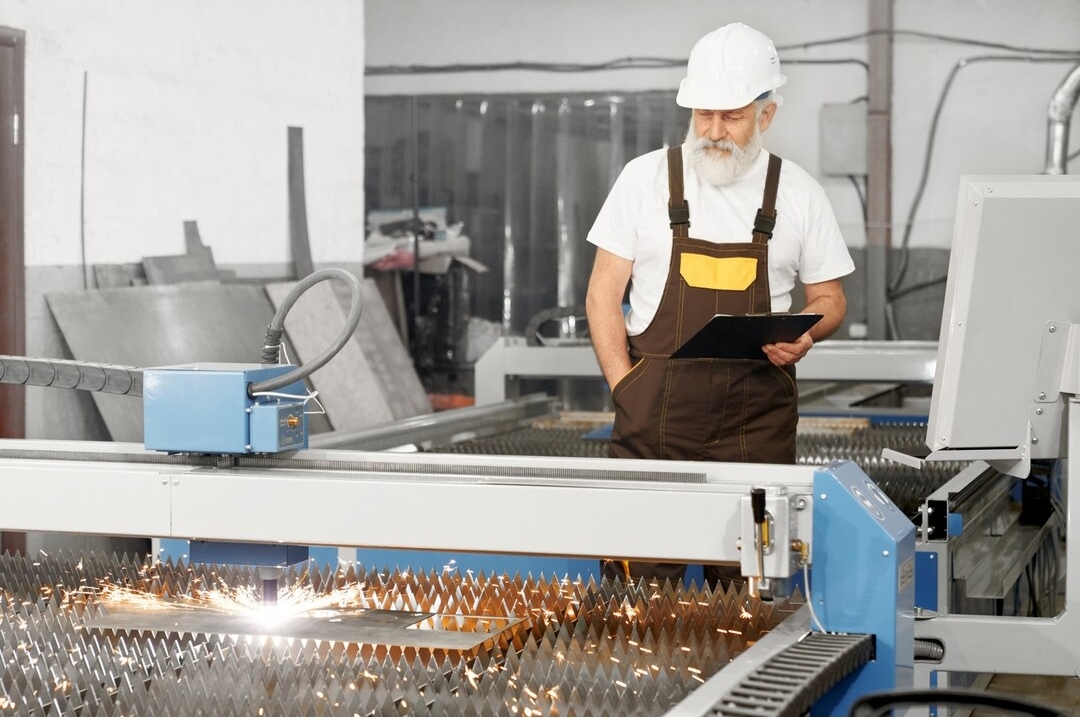
Every stage of fabrication depends on accuracy, but nowhere is this more apparent than in the cutting process. The precision and finish of a cut can determine the efficiency of the entire production line, influencing assembly speed, material use, and final product quality. Advanced aluminium saws have become essential tools in this process, combining power, automation, and control to deliver clean, repeatable results that meet the highest industry standards.
These machines are designed to handle demanding workloads while maintaining exceptional accuracy. As fabrication environments become more automated, saw systems now serve as the foundation of efficient metalworking, bridging craftsmanship with digital precision.
Achieving Consistent Accuracy
The hallmark of a good cutting system lies in its consistency. Even small variations in cut length or angle can lead to costly errors when materials are assembled downstream. Modern saws overcome this challenge through advanced alignment mechanisms, computer-assisted controls, and vibration-dampening features that ensure smooth operation.
Consistency also extends to the quality of the finish. High-speed blades made from specialised alloys or coated with carbide deliver a cleaner edge, reducing the need for secondary finishing. This attention to detail shortens production times and helps manufacturers maintain tighter tolerances.
Integrating Technology into the Cutting Process
Automation and digital integration have reshaped the way fabrication workshops operate. Today’s saw systems can be programmed for different profiles, materials, and cutting patterns, reducing manual intervention and improving output predictability.
Many machines now connect directly with design software, allowing operators to translate digital drawings into precise cutting instructions. This direct link between planning and production minimises errors, eliminates unnecessary adjustments, and ensures that each piece meets specification the first time.
Balancing Productivity and Safety
Efficiency must always go hand in hand with operator safety. Modern saw designs prioritise both through features such as automated clamping systems, enclosed cutting zones, and intelligent braking mechanisms that stop the blade instantly in an emergency.
In addition, dust extraction and noise reduction systems help create safer and more comfortable working conditions. These measures not only protect the operator but also improve long-term productivity by reducing fatigue and potential downtime caused by equipment wear or accidents.
The Importance of Maintenance and Calibration
Even the most advanced saws require regular care to maintain performance. Routine calibration ensures that angles remain precise, while periodic blade inspections help prevent premature wear. Many manufacturers now include predictive maintenance features that alert operators before issues occur, reducing the risk of unexpected stoppages.
A well-maintained cutting system delivers more than just clean cuts, it provides stability, reliability, and efficiency across every shift. In a sector where precision underpins profit, that reliability makes all the difference.

