






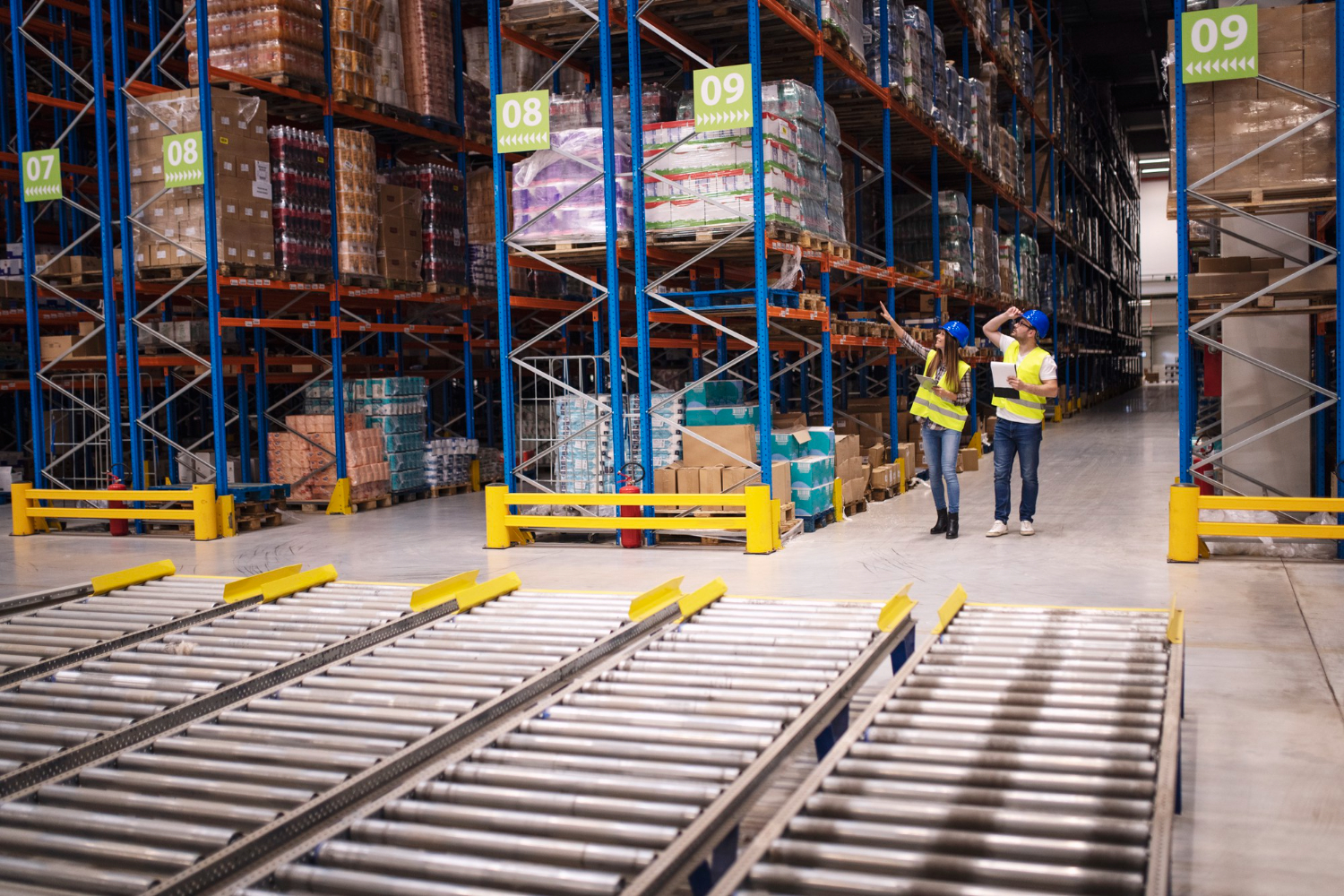
A loading area within a multi-tenant commercial property is particularly challenging. Each business has unique operational needs, equipment requirements, and schedules. One tenant may be receiving pallets daily while another may be receiving small deliveries once per month. Some tenants deal with food-based products requiring sanitary conditions while others work with construction and manufacturing-related materials that generate waste. Either way, all tenants use the same loading area.
When loading areas are not designed for multiple users, conditions deteriorate quickly. Surfaces wear down from different usage patterns. Tenants complain of damage from other tenant operations. Maintenance disputes arise as to who is responsible for what. Instead of a convenient space for business to occur, the loading area becomes a source of tension between tenants and landlords.
Why Standard Loading Bays Do Not Work for Multi-Tenant Use
Loading areas designed for single-occupancy facilities assume a uniform application. One business, one set of operations, one use pattern. What equipment is responsible, what accidents occur, what is the maintenance schedule, etc? With ultimate control comes predictable wear and easy maintenance.
Loading areas that are shared lose predictability. Heavy used forklifts from one tenant inevitably damage surfaces that other tenants were using and maintaining previously without incident. A scheduled delivery from one tenant makes it impossible for another tenant to deliver at the same time without creating a bottleneck, no time for care and caution in loading or unloading. No one has complete ownership, meaning smaller issues arise but go unaddressed and become larger maintenance disputes.
Surfaces cannot withstand the abuse of a shared environment, either. Concrete works for one tenant’s purposes but cracks and crumbles under another’s heavy use. Coated surfaces withstand one spill but becomes stained by something completely different. Standard solutions optimize surfaces for single-use cases – not diverse operational need.
Designing for Diverse Operational Needs
Surfaces in multi-tenant loading areas must withstand the most substantial use without being excessive for lighter applications. This requires a shift in standards for durability and multifunctionality, rather than specializing in optimization favoring a singular tenant’s objective needs.
Metal loading bay surfaces provide this benefit. Metal surfaces can withstand heavy duty operations without crumpling. Metal surfaces can withstand chemical damages from multiple entries/exits without corroding and provided gripping and traction in the midst of various contamination complications. Suppliers like Chequer Plate Direct produce metal surfaces specifically designed for this purpose – a mixed-use environment with unknown variables as to who will be using the area at any given time.
The hope is to eliminate the weakest link problem. If flooring can accommodate moderate usage, then the one tenant with overwhelming needs destroys it for everyone else. If it cannot be ruined by anyone else, then the conditions are maintained for all tenants.
Maintenance Responsibility and Cost Sharing
Perhaps the heaviest source of conflict with loading areas that are shared is maintenance. Damage occurs; who was responsible? Tenants point fingers at each other as landlords attempt to mediate between responsible parties to rectify conditions quickly and affordably.
Durable surfaces minimize this friction as they simply do not require maintenance as often as their weaker counterparts. Poor quality flooring creates a “who broke it” conversation. Durable flooring means less stress over ownership between tenants and management; no damage means minimal interest in upkeep.
Maintenance responsibility should be defined in the lease but the best solution is the material itself, which requires minimal maintenance in the first place. Preventative durability trumps even the greatest cost-sharing agreement.
Scheduling and Traffic Management
Multiple tenants mean multiple delivery schedules. Peak times result in everyone trying to use the same space at once. This congestion creates excess risk for accidents; those needing to hurry and finish before getting backed up take shortcuts with careless utilization.
While there is little surface treatment can do to solve scheduling problems, there is something to be said about surface design mitigating concerns that arise. Slip-resistant floors maintain safety when rushed. Durable materials can withstand the impact or scrapes when multiple heavy-duty equipment pieces maneuver at once.
Markings and zones also help. Metal threshold plates or transition strips create separate spaces when needed, providing visual design that reduces complication when things are busy.
Contamination Cross-Concerns
Some tenants work with food-based products that require specific hygienic standards while others work with industrial products that create all sorts of residue or smells. Share spaces create contamination concerns that single-tenant facilities never have to face.
Nonporous surfaces allow for thorough cleaning to prevent cross-contamination at any level. Spills from one delivery should not stain another tenant’s operation; this creates a barrier even before things are cleaned up.
This is especially relevant when food or medical-based operations share spaces with industrial ones. The loading area must be a surface on which thorough cleaning can occur as it pertains to sanitary code requirements regardless of what previous tenants were doing last.
Equipment Compatibility Issues
Different business use different types of loading equipment. One tenants manual pallet jacks barely wear anything down; another’s heavy forklifts or automated guided vehicles require surfaces that allow them to navigate without compromising integrity.
Weight distribution is important here, as well. Metals work better because they disperse weight across panels; concrete creates concentrated spots on sidewalks; softer materials create depressions no matter how stable a load might be if equipment struggles.
Turning radiuses and traffic patterns also differ from equipment to equipment. Surfaces that work best when specialized for turning benefits and don’t wear down from side-to-side movement serve multifaceted tenants better than those strict to a straight path.
Weather Exposure in Covered Bays
Even covered loading areas see the effects of weather. Rain comes rushing in during deliveries; temperature variances create condensation and seasonal changes impact how materials function and what their maintenance needs will be.
Weather-resistant surfaces create stable environments regardless of the season or what’s above ground. Metal plating doesn’t corrode or deteriorate from moisture exposure or temperature gradients the way coatings or composite materials do. This consistency helps each tenant avoid problems due to conditions that could have been solved by physical attributes.
Long-Term Property Value
For landlords and property management companies, shared loading areas define good tenant relations, meaning great retention or awful turnover rates due to complaints about the loading area conditions as well as fights about maintenance responsibility.
Investing in durable shared infrastructure pays off with less vacancy rates, easier tenant relations, reduced ongoing maintenance costs – it changes the narrative from a space that becomes viewed as a dilemma with constant struggle and expense into one where pros outweigh cons.
Tenants make decisions about shared facilities quickly. If they’re neglected or dysfunctional it means either poor professional property management or an internal issue rendering construction useless. It’s easier to get it right once instead of trying to fix problems.
Practical Implementation
Changing/loading areas doesn’t mean reconstructive solutions are necessary. Overlaid options that exist above current conditions create immediate transformative solutions without the risk of replacing existing basements without guaranteed success.
Phased implementations work well within multi-tenant properties since not all tenants may need this change all at once due to rolling schedules or quiet time opportunities, taking advantage of tenant-negotiated windows instead of forced minimal disruptions.
Solutions That Are Effective
A shared loading area is a compromise zone – a surface that takes care of multiple purposes sufficiently instead of prioritizing one single-use application over all others nearby. The goal here is for all tenants to operate efficiently on a surface that neither helps nor hinders any other tenet’s operations too much.
Durability, functionality, minimal maintenance lend themselves best to a successful multi-tenant space; therefore a surface on which great wear can be accommodated more easily than constant attention makes for effective landlord-review management.
The more material matters from this perspective only complicates a situation where single-tenants could get away with adequate options; multi-tenants absolutely require genuinely strong options that work for everyone without favoring anyone specifically.

