







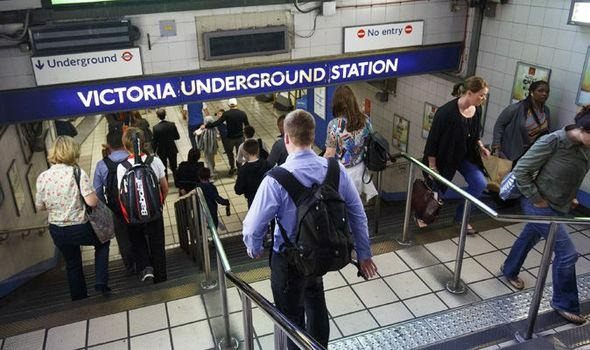
Living in London means navigating a city that is vibrant, fast-paced and occasionally unpredictable. So, is London safe?
While overall safety trends show a manageable environment for residents, being prepared and informed can make day-to-day life more secure. Modern digital tools have significantly improved how residents respond to potential risks. From crime reporting apps to transport tracking platforms, Londoners now have more ways than ever to stay informed and confident while moving around the city.
Crime Reporting Apps and Real-Time Alerts
Several mobile applications have become indispensable for anyone living or working in London. Apps that provide real-time information on crime trends, transport delays or public alerts allow residents to plan their movements with greater confidence. Police forces, local authorities and private developers have all contributed to a growing ecosystem of digital safety tools.
These apps often offer features such as live mapping of incidents, emergency contact shortcuts and advice for avoiding high-risk areas. Platforms operated by the Metropolitan Police provide updates on local incidents, alerts about ongoing investigations and information on safe routes, helping users navigate the city with better situational awareness.
Personal Safety and Emergency Tools
Another important part of answering “How safe is London for residents?” lies in personal protection.
A growing number of apps allow:
- Live location sharing
- One-tap SOS alerts
- Automatic notifications if a journey is interrupted
- Direct emergency contact shortcuts
While these tools do not replace vigilance, they offer reassurance and a practical means of raising alarms if needed. For women, young people and other groups particularly concerned about street harassment or solo travel, such apps can provide a valuable layer of security.
London also has strong emergency response infrastructure. Dialling 999 connects directly to police, fire or ambulance services, while 101 handles non-urgent police matters.
Transport Safety Apps
Public transport safety is often central to the question, “Is London safe at night?”
Transport-focused tools also play a role in everyday safety. London’s transport system is extensive and generally well-monitored. Tools and features that improve safety include:
- Real-time Tube and bus tracking
- CCTV coverage across stations and vehicles
- Verified driver systems in ride-hailing apps
- In-app emergency assistance features
Services operated by Transport for London publish safety guidance for travellers and maintain visible staff presence in major stations. Combined with planning apps that suggest well-lit and populated routes, these tools enable residents to travel with more confidence and reduce anxiety during late-night journeys.
Concerns about safety are often heightened by high-profile incidents. In September, , an illegal migrant was charged for a days-long rampage, assaulting multiple women on the tube and prompting understandable public anxiety. However, the investigation and arrest by the Metropolitan Police also illustrated how CCTV coverage, passenger reporting tools and coordinated policing responses operate in practice.
While isolated violent incidents do occur, they remain statistically rare when measured against the billions of passenger journeys made annually across London’s transport network. For most commuters, journeys are completed without incident — a reality that often receives less attention than individual cases.
Community Reporting Platforms
Community-based reporting platforms are increasingly important in shaping the city’s safety landscape. Many boroughs now provide channels where residents can report antisocial behaviour, abandoned vehicles or safety hazards. These reports feed into local policing strategies, ensuring that authorities can respond quickly and target resources effectively.
Apps that aggregate community feedback allow Londoners to monitor hotspots in their neighbourhoods and participate actively in public safety initiatives. This makes digital engagement a key element of urban security.
Traditional Safety Resources
In addition to digital tools, traditional resources remain relevant. The London Metropolitan Police maintains dedicated hotlines for reporting emergencies, harassment, and non-urgent crime. Local council websites provide up-to-date guidance on neighbourhood watch programmes, public lighting improvements and community meetings. Public transport authorities also publish advice on safe travel, including guidance for vulnerable commuters and tips for navigating crowded stations.
Integrating these resources with mobile apps ensures that residents can access both real-time and verified information, combining technology with official support channels.
Using Social Media Wisely
Social media can also act as a safety resource when used responsibly. Many boroughs, police teams, and community organisations post safety updates, event alerts, and guidance on dealing with disruptions or emergencies. Following official channels provides context during public events or protests, helping residents make informed choices about routes, timings, and areas to avoid.
While unchecked social media can amplify fear, using verified accounts and cross-referencing with official sources can transform it into a practical safety tool.
Combining Technology with Everyday Habits
Technology is most effective when paired with everyday safety habits. Being aware of surroundings, keeping valuables secure, planning routes ahead of time and sharing travel plans remain essential practices. Safety apps complement these habits by providing situational awareness, rapid communication, and access to emergency support.
Londoners who integrate digital tools into their routines can reduce stress, respond quickly to incidents, and maintain confidence navigating the city.
Community Engagement and Civic Responsibility
The rise of integrated safety ecosystems highlights the importance of proactive engagement. Residents who participate in neighbourhood watch schemes, contribute to community reporting apps, or provide feedback on police initiatives help create a more secure environment for everyone. Safety is not solely a matter of personal precautions; it is shaped by collective awareness and action. Technology empowers individuals, but community involvement ensures its impact is meaningful and lasting.
Living Confidently in London
London in 2026 is a city where technology, practical habits and civic engagement allow residents to live confidently. While no city is free from risk, safety apps and digital resources provide Londoners with tools to stay informed, connected, and prepared. By embracing these tools alongside traditional vigilance, navigating the capital can be safer, more predictable, and ultimately more enjoyable for everyone.
So, Is London Safe?
London is not risk-free — no global city is. However, for most residents and visitors, it is a city where daily life proceeds safely with sensible precautions.
Robust policing infrastructure, extensive CCTV coverage, digital reporting tools, strong emergency services and active community engagement all contribute to maintaining public safety.
For those asking “Is London safe to live in?” or “Is London safe to visit?” — the balanced answer is yes, with awareness and preparation.
London in 2026 continues to demonstrate how technology, civic responsibility and practical habits can work together to create a safer urban environment.

