






Feeling tired all the time?
For many women, feeling constantly tired has become normal, and busy schedules, work stress, family responsibilities, and lack of sleep often get the blame. Often fatigue isn’t just tiredness, but it’s your body signalling underlying nutritional problems—most commonly, iron deficiency.
More than one-third of women throughout the world experience iron deficiency, due to which they feel exhausted all the time. Therefore, understanding the distinction between simple tiredness and iron-related fatigue is essential for maintaining long-term health, energy, and overall well-being. Addressing these nutritional gaps through a balanced diet and a medical-grade supplement like ACTIVIT can play a supportive role in managing fatigue and tiredness.
What Is Iron Deficiency?
Iron is an essential mineral that plays a crucial role in transporting oxygen throughout the body. How? Iron is a part of haemoglobin—the protein in the red blood cells (RBCs)—which carry oxygen from the lungs to the tissues of your body.
Without adequate iron levels, your body doesn’t deliver oxygen efficiently, leaving cells deprived of the energy they need for proper functioning. Low levels of iron may also cause iron deficiency anemia in women.
You may ask: Why are women at higher risk?
Women experience more iron deficiency due to:
- Menstrual cycle—blood loss due to menstruation may cause iron deficiency.
- Pregnancy—iron needs increase during this condition, causing iron deficiency.
- Diet and lifestyle—unhealthy dietary patterns may cause deficiencies in women.
- Digestive issues—like celiac or Crohn’s disease may interrupt iron absorption, causing iron-deficiency anemia.
Iron Deficiency Symptoms That You Shouldn’t Ignore
Iron deficiency has no alarming symptoms and often develops silently. Iron deficiency symptoms are:
- Persistent fatigue and low energy
- Brain fog and poor concentration
- Pale skin and dark circles
- Brittle nails and hair thinning
- Shortness of breath during mild activity
- Dizziness
Because these symptoms overlap with everyday stress or poor sleep, many women don’t seek help until their iron levels drop significantly.
Why Fatigue Is Not “Just Tiredness”
Normal tiredness usually improves with rest or sleep, while iron-related fatigue does not. When iron levels are low, oxygen delivery to muscles and the brain is compromised. This leads to reduced stamina, mental exhaustion, and poor productivity and motivation.
In this condition, even if you sleep well, you still feel drained because your body cells are not receiving oxygen properly. If oxygen is not reaching your body cells, that means they cannot produce energy, resulting in constant tiredness and fatigue.
The Role of Nutrient Absorption in Iron Levels
Not all iron is absorbed equally. In fact, absorption is one of the most overlooked factors in managing iron deficiency.
So, what are the factors that may hinder iron absorption?
Here they are:
- Gut health — Digestive issues may reduce iron absorption.
- Dietary inhibitors — Tea, coffee, and phytates can reduce iron absorption.
- Supporting nutrients — Vitamin C enhances iron uptake, while calcium can inhibit it.
And the most important factor is:
- Form of iron — Some forms are better absorbed and gentler than others.
Simply put, increasing the iron dosage does not always solve the problem, but taking a bioavailable form of iron can.
But how would you know which form of iron is bioavailable? Let’s discuss!
Generally, chelated forms of minerals like iron are considered more bioavailable. Iron comes in different forms: ferrous bisglycinate, ferrous fumarate, ferrous gluconate, and ferrous sulfate. The chelated form of iron, like ferrous bisglycinate, is well-absorbed in your body.
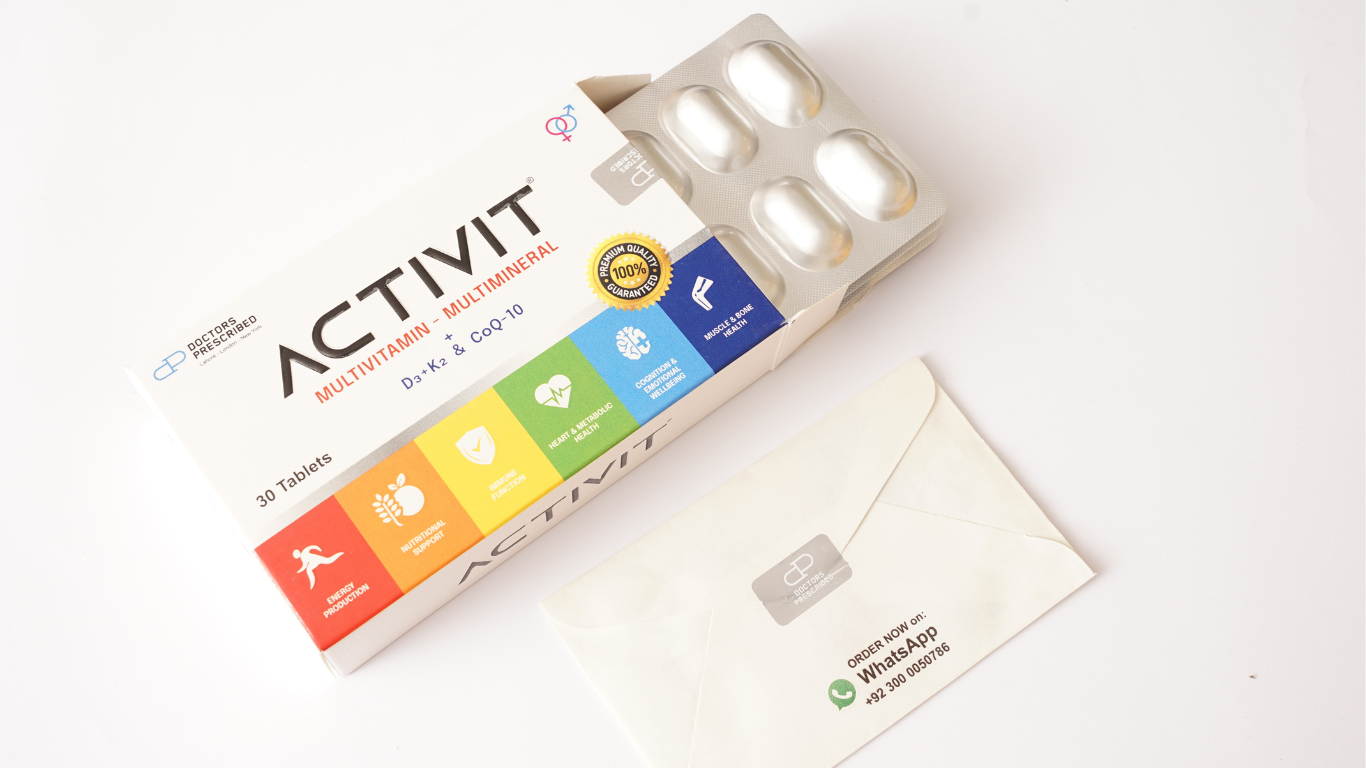
Well-formulated multivitamins like ACTIVIT include ferrous bisglycinate alongside supporting vitamins B12, folate, and liposomal vitamin C, designed to support optimal absorption and maximum results.
Dietary and Lifestyle Changes for Better Iron Absorption
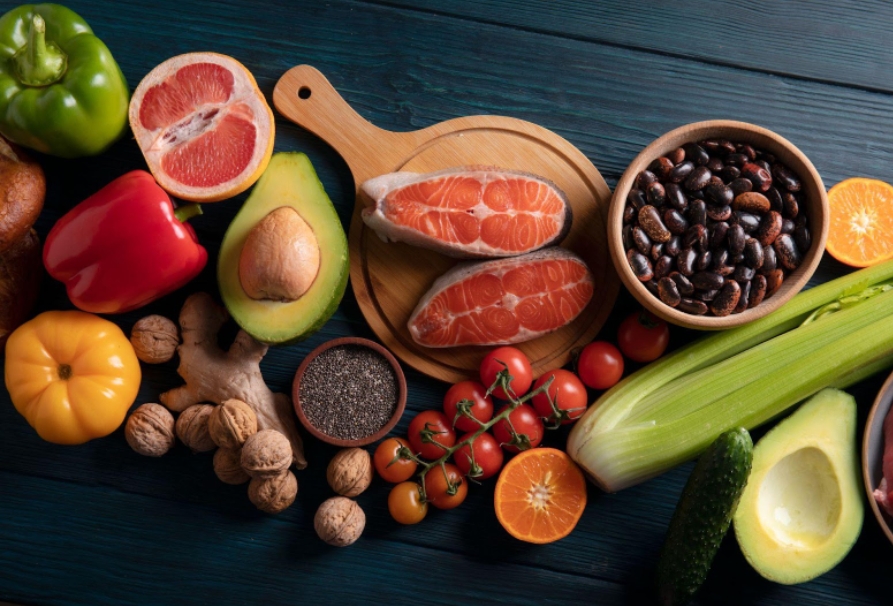
Food is an important source of nutrition, and including iron-rich foods in your daily diet can help maintain healthy levels.
Iron-rich foods include:
- Red meat and poultry
- Spinach and leafy greens
- Fortified cereals and grains
You can pair iron-rich foods with vitamin C sources like citrus fruits and peppers.
If you follow a vegetarian diet or are unsure whether your daily intake meets your iron needs, consider taking ACTIVIT—a medical-grade supplement that can help support iron levels as part of a balanced nutrition plan.
But, here arises a question: How to choose iron supplements?
Choosing the Right Iron Supplements
Iron supplements may vary widely in quality, effectiveness, and tolerance. So, what to look for in an iron supplement?
- Your supplement should be manufactured under national and international quality standards. International quality certifications include ISO, GMP, NSF, JECFA, and USP.
- Equally important is the form of iron: your vitamins should contain a gentle and bioavailable form of iron, such as ferrous bisglycinate. ACTIVIT multivitamin, for example, provides ferrous bisglycinate along with other vitamins and minerals that support your overall health.
- Finally, well-formulated supplements often include supportive nutrients in the form of unique combinations as a part of their advanced formulation. For example, ACTIVIT provides iron with liposomal vitamin C, which can improve iron uptake. Combinations such as vitamin D3, vitamin K2-MK7, and calcium work together to support women’s bone health and overall wellness.
Conclusion: Choosing the right multivitamin or iron supplement can make a real difference in achieving your health-related goals.
Final Thoughts
By focusing on proper nutrition, absorption, and thoughtful supplementation, women can support energy levels and overall health. Choosing supplements that prioritize bioavailability and advanced nutrition—such as ACTIVIT, which provides iron alongside supportive vitamins—can be a practical part of a balanced wellness approach.
Frequently Asked Questions
- What drains iron from your body?
Iron can be depleted by: heavy menstrual bleeding, pregnancy, poor dietary intake, frequent blood donation, digestive issues, and reduced absorption due to tea, coffee, or certain medications.
- What are the three stages of iron deficiency?
The three stages of iron deficiency are:
- Iron depletion – low iron stores with no obvious symptoms
- Iron deficiency – reduced iron levels with early fatigue and weakness
- Iron-deficiency anemia – low hemoglobin with pronounced symptoms like dizziness and breathlessness
- Can iron deficiency cause weight gain?
Iron deficiency does not cause weight gain; however, fatigue and low energy may reduce physical activity, which can indirectly contribute to weight changes.

