







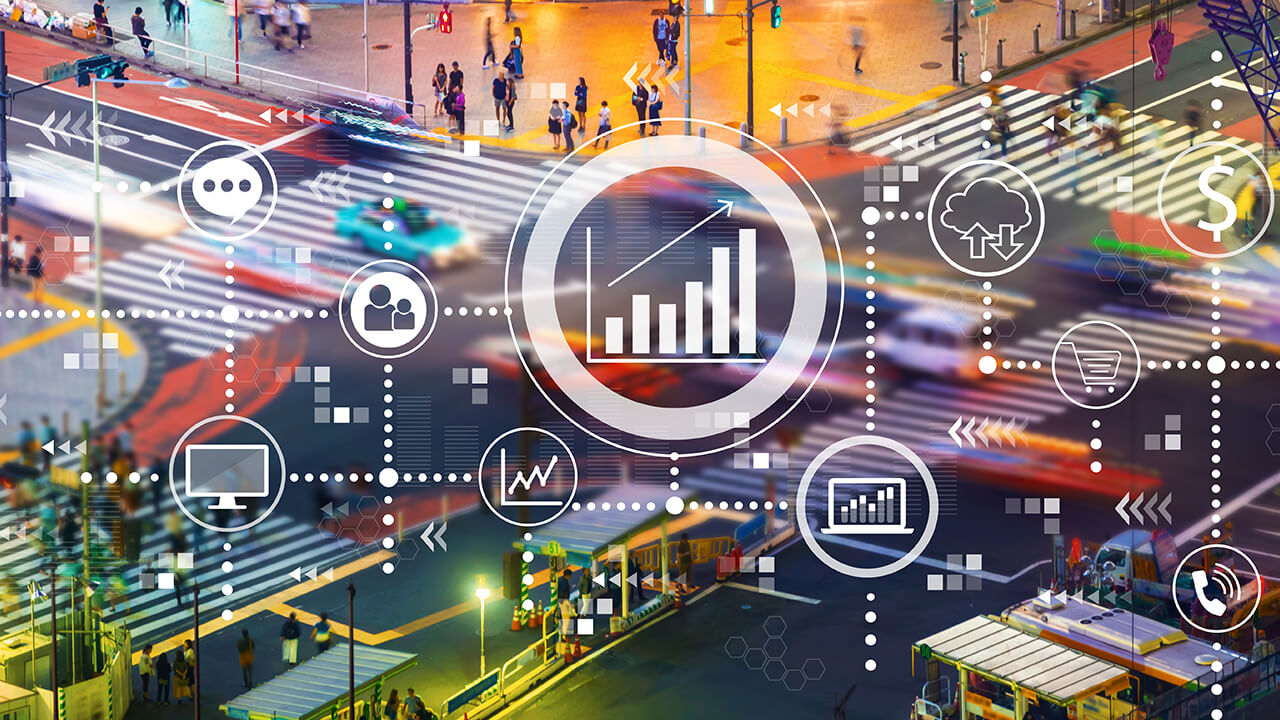
Modern Transportation Engineering is experiencing one of the biggest transformations in history. With new technology, smarter planning methods, and rapidly growing cities, transportation engineers are now shaping how millions of people move every day. From advanced data systems to sustainable design principles, the modern world demands solutions that are fast, efficient, and environmentally responsible.
The evolution of urban mobility is especially visible in rapidly expanding regions such as Orlando, Florida, where population growth and tourism create constant pressure on transportation systems. In such places, planners must combine analytics, design innovation, and strategic thinking to build networks that truly work for the community. That is why many organizations rely on specialized transportation engineering services to address these challenges with high-level expertise and smart infrastructure strategies.
The Role of Data in Modern Transportation Engineering
Data is now one of the strongest tools in transportation planning. Engineers use digital analytics, real-time sensors, traffic cameras, and predictive modeling to understand how roads function in everyday life. This data guides decisions such as:
- Where to add new lanes
- How to design better pedestrian crosswalks
- When to improve public transit routes
- How traffic signals should be timed
- Where bottlenecks happen and why
In the past, transportation design relied heavily on static traffic counts. Today, modern systems can track thousands of data points in real time. This leads to more accurate forecasting and better results for drivers, cyclists, and pedestrians.
Design Principles Shaping Today’s Infrastructure
Modern Transportation Engineering is not just about traffic flow—it’s about creating safe, sustainable, and adaptive environments. The latest design principles focus on:
1. Multi-Modal Transportation
Cities now encourage movement through multiple channels:
- Walking
- Biking
- Public transit
- Ride-sharing
- Autonomous vehicles in the near future
This reduces traffic congestion and supports healthier lifestyles.
2. Sustainable Solutions
New infrastructure must reduce emissions and environmental impacts. Engineers are designing:
- Green highways
- Electric vehicle corridors
- Improved stormwater systems
- Eco-friendly materials
3. Safety-Driven Planning
Safety is the foundation of every design decision. Modern tools allow engineers to simulate crash scenarios, test visibility levels, and evaluate how road design influences driver behavior.
Smart Mobility: The Future of Urban Travel
Smart mobility focuses on combining technology with transportation to create efficient and user-friendly systems.
Examples include:
- Smart traffic signals that adapt to real-time traffic
- Autonomous shuttles in large campuses and airports
- AI-powered traffic management centers
- Integrated transit apps that give live updates
- Sensors that help manage parking spaces
These solutions make transportation faster, safer, and more predictable.
The Importance of Modern Transportation Engineering Today
Cities across the world are growing at incredible speeds. Population increases, urban density, climate concerns, and technological expectations make it essential for engineers to rethink how transportation systems are built.
Modern Transportation Engineering ensures that:
- People can travel safely
- Goods can move efficiently
- Businesses can operate smoothly
- Communities can grow sustainably
- Cities can prepare for future innovations
Without strategic planning and modern tools, traffic congestion, pollution, and safety risks would continue to rise.
Conclusion: A Smarter, More Connected Transportation Future
Modern Transportation Engineering is more than road design; it’s a complete approach to mobility that combines data, creativity, sustainability, and smart technology. As cities like Orlando, Florida continue to expand, the need for intelligent planning and expert engineering becomes even more critical.
From digital innovations to environmentally conscious design, today’s transportation engineers are building a future where mobility is smoother, safer, and more connected than ever before. By embracing modern systems and the expertise offered through professional engineering services, communities can move confidently toward a smarter and more efficient transportation landscape.

