








A Miniature Circuit Breaker (MCB) is an essential safety device in modern electrical systems. It automatically monitors and interrupts the flow of electricity, protecting circuits from overloads and short circuits. This quick action helps prevent damage to appliances and reduces the risk of fires, ensuring safety for both users and equipment.
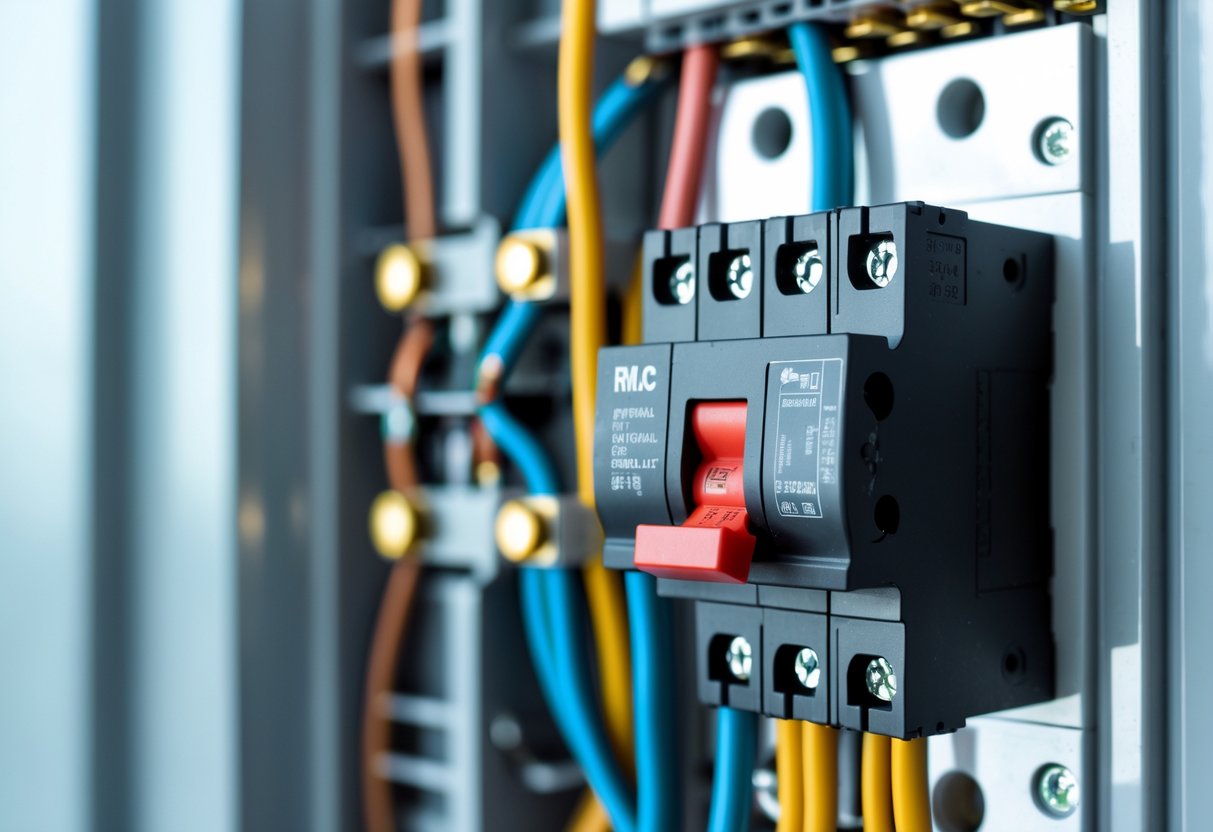
Unlike traditional fuses, MCBs provide a reliable and efficient way to detect issues within electrical circuits. When excess current is present, the MCB’s built-in mechanisms respond by cutting off power almost instantly. This responsive action is crucial for maintaining the integrity of electrical systems and ensuring their safe usage in homes and businesses.
Understanding how an MCB functions can empower individuals to appreciate its role in preventing electrical hazards. The effectiveness of Miniature Circuit Breakers lies in their ability to provide immediate circuit protection, making them a preferred choice over fuses in many applications.
Fundamental Function of Miniature Circuit Breakers
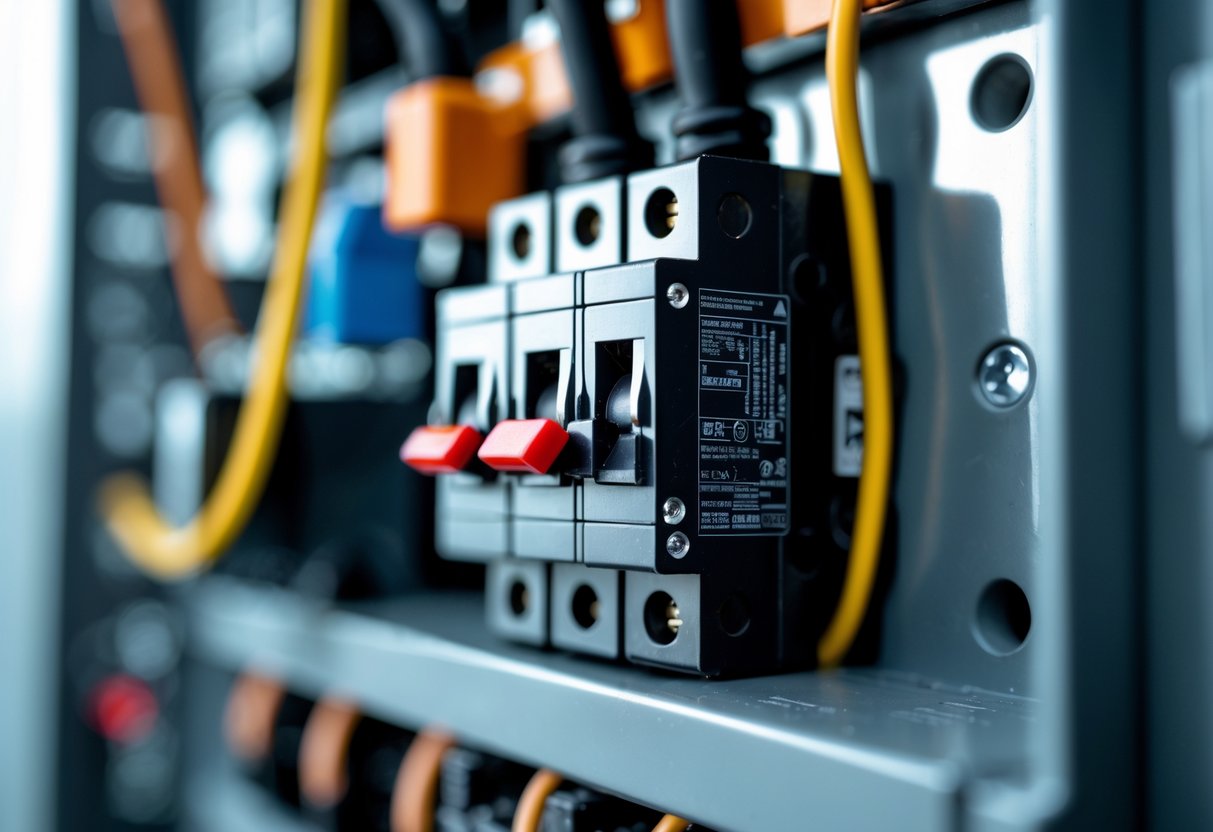
Miniature Circuit Breakers (MCBs) play a crucial role in electrical protection systems by ensuring the safe operation of electrical circuits. They automatically disconnect circuits during faults and prevent dangerous situations such as fires. Understanding their fundamental functions helps in appreciating their value in modern electrical systems.
Automatic Disconnection During Overcurrent
MCBs are designed to disconnect electrical circuits automatically when they detect overcurrent conditions. This can happen due to overloads or short circuits, which may cause excessive heat and damage to equipment. For instance, if an appliance draws more current than what the circuit can safely handle, the MCB activates its internal mechanism.
When the current exceeds the preset limit, a bimetallic strip heats up and bends, releasing a latch that opens the circuit. This rapid response helps protect wiring and devices from damage. MCBs are sensitive and reliable, providing fast disconnection compared to traditional fuses.
Role in Preventing Electrical Hazards
The primary role of MCBs is to enhance electrical safety by preventing hazardous conditions. By immediately cutting off power during faults, they significantly reduce the risk of electrical fires and equipment failure. Unlike fuses, which may blow and require replacement, MCBs can be reset with a simple switch after addressing the underlying issue.
Furthermore, MCBs can help in identifying faulty circuits. When an MCB trips, it indicates that there is an issue in the electrical system. Users can then investigate the problem, making it easier to maintain safe environments in homes and businesses. This proactive approach contributes to overall electrical protection systems and enhances safety.
Advantages Over Fuses
Miniature Circuit Breakers present several advantages compared to traditional fuses. One key benefit is their automatic reset feature; after addressing any fault, users can simply flip the switch to restore power. This contrasts with fuses that must be replaced each time they blow.
Additionally, MCBs are more sensitive and accurate in detecting faults. They can respond quickly, minimizing the damage that overcurrent can cause. Users also appreciate the clarity of MCBs since they indicate faults directly through their switch positions—“ON,” “OFF,” or “TRIPPED.” This makes it easier to pinpoint issues in electrical systems. Overall, using MCBs significantly improves electrical safety and reliability.
Core Components and Construction
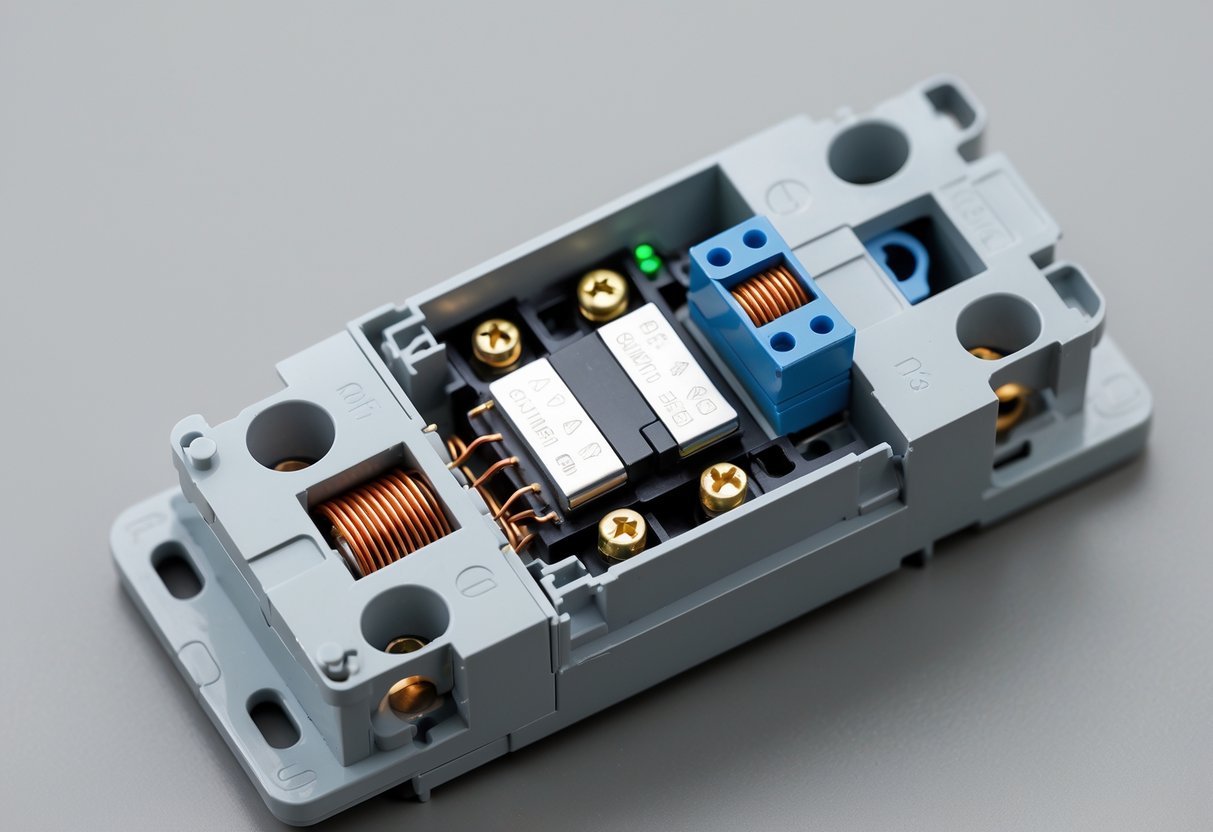
The construction of a miniature circuit breaker (MCB) is crucial for its function in protecting electrical circuits. Key elements include the trip unit, contacts, housing, and the arc chamber. Each part plays a specific role in ensuring the device can effectively interrupt the electrical flow during overloads and short circuits.
Trip Unit and Mechanism
The trip unit is the brain of the MCB. It includes both thermal and electromagnetic mechanisms. The thermal trip unit uses a bimetal strip that bends under excessive heat caused by overloads. This bending action activates the trip lever, which interrupts the circuit. The electromagnetic trip coil, on the other hand, responds to rapid increases in current, such as during a short circuit. When a high current flows, the magnetic force generated attracts the armature, leading to an instantaneous trip. Together, these mechanisms provide reliable protection against various electrical faults.
Contacts and Terminals
At the core of the MCB are the contacts, specifically the moving contact and fixed contact. These contacts are responsible for making or breaking the current flow. When the circuit is energized, the moving contact connects with the fixed contact. Upon a fault, the trip mechanism quickly separates these contacts. This separation is essential for stopping dangerous currents. The upper and lower terminals connect the MCB to the electrical network. They ensure secure connections for wire attachment while facilitating the current path through the device.
Housing and Frame Design
The housing of an MCB provides structural integrity and protection for its internal components. Typically made from durable, insulating materials, the housing shields users from electrical shock. It is designed to fit onto a DIN rail holder, allowing for easy installation in electrical panels. The frame also supports the trip mechanisms and contacts, ensuring they operate smoothly. Effective design minimizes space use while maximizing airflow to cool components during operation. This design balance contributes to the MCB’s reliability and performance during fault conditions.
Arc Chambers and Arc Extinction
Arc chambers play a critical role in safely extinguishing electrical arcs that form when contacts separate. When the contacts open, a high-temperature arc can form. The arc chamber includes features such as arc runners and arc chutes. The arc runner uses magnetic forces to quickly guide the arc away from the contacts, while the arc chute, often lined with arc splitter plates, cools the arc by splitting it into smaller segments. This action helps dissipate the energy and extinguish the arc effectively. The MCB’s design for arc extinction prevents damage to the internal components and supports safe operation.
How MCBs Detect and Interrupt Faults
Miniature Circuit Breakers (MCBs) are designed to monitor electrical currents and respond quickly to faults. They utilize specific mechanisms that react to both overloads and short circuits, ensuring the safety of electrical systems.
Overload Protection Using Bimetallic Strip
The overload protection in an MCB primarily relies on a bimetallic strip. This strip comprises two different metals that expand at different rates when heated. When the current exceeds the breaker’s rating, the strip heats up due to increased electrical flow.
As the strip bends from the heat, it eventually reaches a tipping point. At this point, it triggers a mechanism that opens the circuit. This thermal trip action prevents damage to the circuit by disconnecting the power before overheating can cause harm.
The response time of this mechanism is designed to avoid unnecessary disconnections from temporary surges, allowing small fluctuations without interruption.
Short Circuit Protection Using Magnetic Trip
For short circuits, MCBs rely on magnetic trips. When a fault occurs, such as a direct short, the current spikes rapidly. This surge activates the magnetic coil within the MCB.
The coil generates a strong magnetic field that pulls a plunger or trip lever. This action occurs within milliseconds, ensuring the circuit disconnects almost immediately. The quick response is crucial to prevent potential fires or equipment damage that can result from uncontrolled electrical flow.
This magnetic trip system is reliable and enhances the protective capabilities of MCBs in situations where rapid disconnection is necessary.
Tripping Mechanism Operation
The entire tripping mechanism in an MCB operates through a combination of thermal and magnetic actions. The current coil processes the electrical flow, while the thermal element manages overloads through the bimetallic strip.
When a fault is detected, the tripping characteristics of the MCB determine how fast it reacts. Some MCBs are designed to trip quickly with minimal current surges, while others may allow slightly higher currents for short durations.
This adaptability in the tripping mechanism allows selection based on specific application needs. Users can choose MCB types that best fit their safety requirements.
Restoration and Manual Switching
Once an MCB has tripped due to a fault, restoration is crucial. Unlike fuses that need replacement, MCBs can simply be reset. To restore power, the switch must be moved back to the “ON” position.
MCBs often include a manual switching feature. This allows users to turn the device off when necessary, such as during maintenance or repairs. The ability to reset and manually control the device enhances user convenience and safety.
In addition, MCBs typically have an indicator that shows whether they are in the ON or OFF position, simplifying maintenance and ensuring users maintain awareness of circuit status.
Types and Selection of Miniature Circuit Breakers
Understanding the various types of Miniature Circuit Breakers (MCBs) is essential for selecting the right device for specific applications. The choice involves considering factors such as tripping curves, current ratings, and their intended uses.
Overview of MCB Types
MCBs come in several types, each suited for different applications. Common types include:
- Type B MCB: Trip between 3 to 5 times the rated current. Ideal for residential use with low inrush currents, protecting circuits for lights and small appliances.
- Type C MCB: Designed to trip between 5 to 10 times the rated current. Best for commercial and industrial settings where moderate inrush currents occur, suitable for machinery and transformers.
- Type D MCB: Trips at 10 to 20 times the rated current. It can handle high inrush currents, making it suitable for large motors and welding equipment.
- Type K and Type H MCB: Specialized for specific industrial applications, with unique characteristics for specialized machinery.
- Thermal-Magnetic MCB: Combines both thermal and magnetic tripping mechanisms for reliable performance.
- Electronic MCB: Uses electronic components for precise tripping, adaptable to various load conditions.
Tripping Curves and Characteristics
Tripping curves define how quickly an MCB reacts to overcurrents. Each type has its own characteristics:
- Type B: Typically found in residential settings, responding quickly to overloads while reducing nuisance tripping.
- Type C: Offers a balance between sensitivity and tolerance, making it suitable for mixed-use circuits.
- Type D: Designed for environments with high inrush currents, often delaying the trip for short durations to prevent unnecessary disconnection.
The tripping curve affects not only safety but also the device’s suitability for specific applications. Understanding these curves helps users select the right MCB to minimize risks while ensuring proper circuit function.
Current Rating and Breaking Capacity
The current rating of an MCB is critical for matching it to a circuit’s demand. It indicates the maximum continuous current the device can safely carry without tripping. Users should select an MCB that meets or exceeds the circuit’s rated load current.
Breaking capacity (often denoted as Ics or Icu) refers to the maximum fault current an MCB can interrupt without damage. Selecting an MCB with an adequate breaking capacity ensures it can handle unexpected surges or faults effectively. For example:
| MCB Type | Rated Current Range | Breaking Capacity Icu |
| Type B | 6A to 63A | 6kA to 10kA |
| Type C | 6A to 63A | 10kA to 25kA |
| Type D | 10A to 125A | 25kA to 36kA |
Choosing the right ratings is essential for reliable circuit protection.
Selection Criteria for Applications
When selecting an MCB, several important criteria must be considered:
- Tripping Curve: Match the MCB type to application needs—Type B for light appliances, Type C for general machinery, and Type D for heavy loads.
- Rated Current and Breaking Capacity: Ensure the chosen MCB can handle the maximum expected current. An adequately rated MCB prevents premature tripping or failure.
- Voltage Rating: The MCB’s voltage rating should meet or exceed the system operating voltage for safe operation.
- Environment and Compliance: Consider where the MCB will operate (e.g., residential, commercial, or industrial). Ensure it meets relevant safety standards and regulations.
By evaluating these criteria, users can make informed decisions, ensuring the selected MCB provides reliable protection and performance in various electrical applications.
Applications and Integration in Electrical Systems
Miniature Circuit Breakers (MCBs) play a key role in protecting electrical systems across various applications. Their reliability makes them essential in both residential and commercial environments. Additionally, they integrate seamlessly within distribution boards and work in conjunction with other protective devices.
Residential and Commercial Usage
In residential settings, MCBs are commonly found in consumer units, safeguarding circuits from overloads and short circuits. A single-pole MCB typically protects lighting circuits, while double-pole MCBs are used for high-power appliances like water heaters.
In commercial buildings, MCBs serve as the first line of defense against electrical faults. They enhance safety by automatically disconnecting power during fault conditions. This quality makes them ideal for use in electrical panels that manage various circuits. MCBs also allow for easy identification of faults, as their tripping mechanism provides clear visual indications for users and maintenance personnel.
Integration in Distribution Boards
MCBs are integral components within distribution boards, also known as electrical panels. They protect individual circuits by interrupting current flow during overloads, preventing potential fire hazards and equipment damage.
In these boards, MCBs provide selective coordination, allowing certain circuits to trip while others remain powered. This is crucial in avoiding widespread outages during minor fault conditions. For instance, in a multi-story building, MCBs ensure that only the faulty floor’s circuits are interrupted, keeping power supplied to the rest of the building. By integrating MCBs into distribution systems, electrical safety and system reliability are greatly enhanced.
Coordination with Other Protection Devices
MCBs often work in conjunction with other protection devices such as Residual Current Devices (RCDs) and Moulded Case Circuit Breakers (MCCBs). RCDs add an extra layer of protection by detecting earth faults, minimizing the risk of electrocution.
Using MCBs alongside devices like Earth Circuit Breakers (ECBs) or Air Circuit Breakers (ACBs) also ensures comprehensive fault protection. This combination allows for tailored solutions based on the application’s power requirements and the specific risks involved. Proper coordination between these devices improves the overall safety and effectiveness of electrical systems in residential and commercial environments.
Testing, Troubleshooting, and Maintenance
Regular testing and maintenance of Miniature Circuit Breaker (MCB) are essential for ensuring their proper function and longevity. Troubleshooting common issues can prevent electrical failures and enhance safety.
Routine Inspection and Testing
Routine inspection of MCBs involves visually checking for any physical damage or signs of wear. A multimeter can be used to measure the current flowing through the circuit. This helps in identifying overloads. A voltage tester may also be employed to check if the circuit is live.
It is recommended to conduct these inspections at least once a year. Additionally, it’s important to test the tripping function of the MCB. This can be done by manually triggering the test button on the breaker, ensuring that it responds appropriately. Any malfunction during these checks should be addressed immediately.
Common Issues and Remedies
Common issues with MCBs include frequent tripping and failure to reset. Frequent tripping often points to overloaded circuits or short circuits. Users should check for excessive load by examining connected devices. If the connected current exceeds the MCB’s rating, redistribution of load may be necessary.
If the MCB fails to reset, it may indicate a fault within the device. Users should inspect for dirt or blockages around the reset mechanism. In some cases, it may be necessary to replace the breaker. It’s advisable to consult an electrician if troubleshooting does not resolve the issue.
Replacement and Safety Precautions
When replacing an MCB, it’s crucial to choose one that matches the specifications of the circuit. This includes the current rating and the type of load. Incorrect replacements can lead to failures or hazards.
Before making any replacements, users should turn off the power supply. Safety precautions such as wearing insulated gloves and using appropriate tools should be observed. After replacing the MCB, testing its operation is vital to ensure proper function. Regular maintenance and inspections can help catch problems before they escalate, providing peace of mind in electrical safety.

