





The cosmetic industry is highly competitive, making first impressions crucial for new brands entering the market. One essential aspect of making a strong impact is selecting the appropriate cosmetic packaging. In Australia, there are various options available that cater to the unique needs of emerging brands, helping them stand out while aligning with branding and practical requirements. Consulting professional resources for cosmetic packaging in Australia can provide brands with insights on innovative and sustainable packaging solutions.
To establish a foothold, cosmetic brands must consider packaging that not only attracts attention but also reflects their brand ethos and values. This could mean choosing eco-friendly materials or adopting trendy and unique designs that resonate with consumers.
Finding the Right Packaging Materials
Material selection plays a pivotal role in cosmetic packaging. Eco-conscious consumers often seek products that align with sustainable practices. Therefore, brands are opting for biodegradable or recyclable materials to appeal to these values. In Australia, there is an increasing trend towards using such materials, fostering an image of sustainability and innovation.
Glass containers, such as glass bottles, are a classic choice for many cosmetic products. They offer a premium look and feel, alongside the significant advantage of being recyclable. Choices like amber glass not only provide UV protection but also enhance the aesthetic appeal of the product.
Understanding Consumer Preferences
Consumer preferences are continually evolving, with a marked shift towards minimalist and FusionPKG packaging supplier. This trend is reflected in the choice of packaging providers in Australia, who offer a range of designs tailored to these preferences. Understanding what the consumer wants can guide new brands towards more successful packaging decisions.
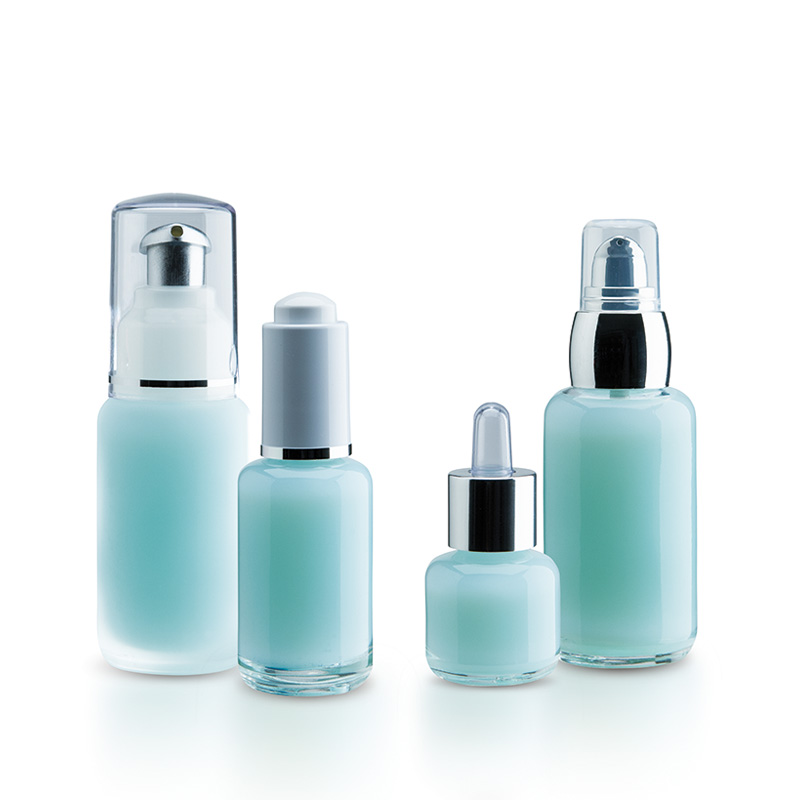
Another crucial factor is the functionality of the packaging. Droppers, for instance, provide precision and ease of use, making them popular in skincare markets. New brands should consider packaging options such as a dropper bottle to meet consumer demands for convenience and effectiveness.
Branding and Aesthetic Appeal
Effective packaging is not just about functionality; it is also about creating an emotional response. The colour scheme, typography, and overall design should mirror the brand’s story and message. Branding through packaging is a silent salesperson leading consumers to a purchase.
Regulatory Compliance
In Australia, cosmetic packaging must comply with certain regulations to ensure safety and transparency. New brands must navigate these regulatory landscapes carefully. Adhering to labelling requirements, such as listing ingredients and warnings, is essential not just for legal compliance but also for building consumer trust.
Bridging Innovation with Tradition
While many brands are keen on incorporating innovation in their packaging, respecting traditional expectations should not be overlooked. Technologies like digital printing allow for customisation and personalisation, which can enhance consumer engagement but should be balanced with tried-and-tested traditional elements consumers expect.
Packaging innovation might also involve integrating technology such as QR codes, connecting customers to digital experiences that can inform them about the product or brand ethos, adding another layer of consumer interaction.
Conclusion
For new brands entering the cosmetic industry in Australia, the packaging they choose can significantly impact their market reception and brand identity. By investing in careful selection of materials, understanding consumer preferences, and aligning with regulatory standards, new cosmetic brands can create impactful packaging that distinguishes them in a crowded market. Engaging with professional suppliers who understand the nuances of the local market can further aid in making informed decisions about cosmetic packaging in Australia.
