







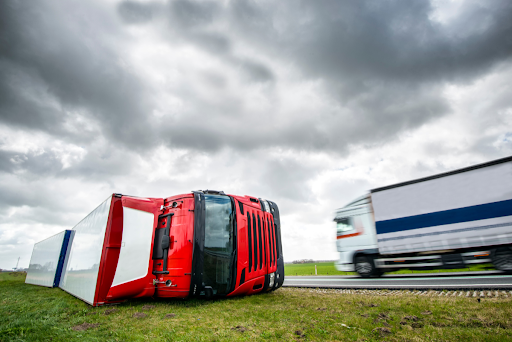
When a truck accident occurs, the consequences can be physically and financially heartbreaking. These collisions involve serious injuries, property damage, and even fatalities in severe cases. If you or a loved one has been involved in such an accident, it is natural to wonder who should be held responsible. One question that often arises is, can a trucking company be held liable for an accident caused by its employee? The short answer is yes. To fully understand your rights and the potential legal avenues available, it is important to discuss your case with Morris Bart’s truck accident lawyer, who can evaluate the details and help you navigate the legal process.
Employer Liability Under the Doctrine of Respondeat Superior
In most truck accident cases involving a commercial driver, the legal principle known as respondeat superior comes into play. This Latin term means “let the master answer,” and it holds employers legally responsible for the actions of their employees when those actions are performed within the scope of employment. So, if a truck driver causes an accident while making deliveries or performing other job-related duties, the trucking company may be liable.
However, this liability hinges on several key factors:
- Was the driver on the clock at the time of the accident?
- Was the driver acting within the scope of their job duties?
- Was the accident caused by negligence, including speeding, distracted driving, or fatigue?
If the answer to these questions is yes, the trucking company may be held responsible for damages such as medical bills, lost wages, pain and suffering, and property damage.
Direct Negligence by the Trucking Company
In some situations, a trucking company can be held liable for the driver’s actions and direct negligence when they:
- Fail to train drivers properly: Companies must ensure that their drivers are adequately trained and licensed.
- Neglect hiring practices: Employing drivers with a history of safety violations can expose a company to liability.
- Fail to maintain vehicles: Poor maintenance can lead to brake failures, tire blowouts, and other mechanical issues that cause accidents.
- Force unrealistic schedules: Pressuring drivers to meet tight deadlines can lead to fatigue, a major cause of truck crashes.
When a company ignorantly does the above, it endangers the public and increases its legal exposure.
Independent Contractors vs. Employees
Trucking companies often argue that a driver is an independent contractor rather than an employee to avoid liability. While this can complicate a case, courts do not automatically accept this claim. If the company exerts significant control over the driver’s duties, such as setting schedules and dictating routes, the driver may still legally be considered an employee.
Federal Regulations and Legal Responsibility
Trucking companies are also subject to strict federal regulations enforced by the Federal Motor Carrier Safety Administration (FMCSA). These rules cover everything from hours of service and drug testing to maintenance and record-keeping. If a company violates these regulations and that violation contributes to an accident, it can be used as evidence of negligence.
Conclusion
Being injured in a truck accident is stressful, and determining liability can be even more complex. As such, a knowledgeable attorney can assess whether the trucking company should be held responsible and help you pursue fair compensation for your losses. Whether the liability arises from the driver’s actions or the company’s negligence, holding the right party accountable is essential for justice and recovery. To ensure your rights are protected and you explore all possible avenues for compensation, it is wise to discuss your case with Morris Bart’s truck accident lawyer as soon as possible.

