







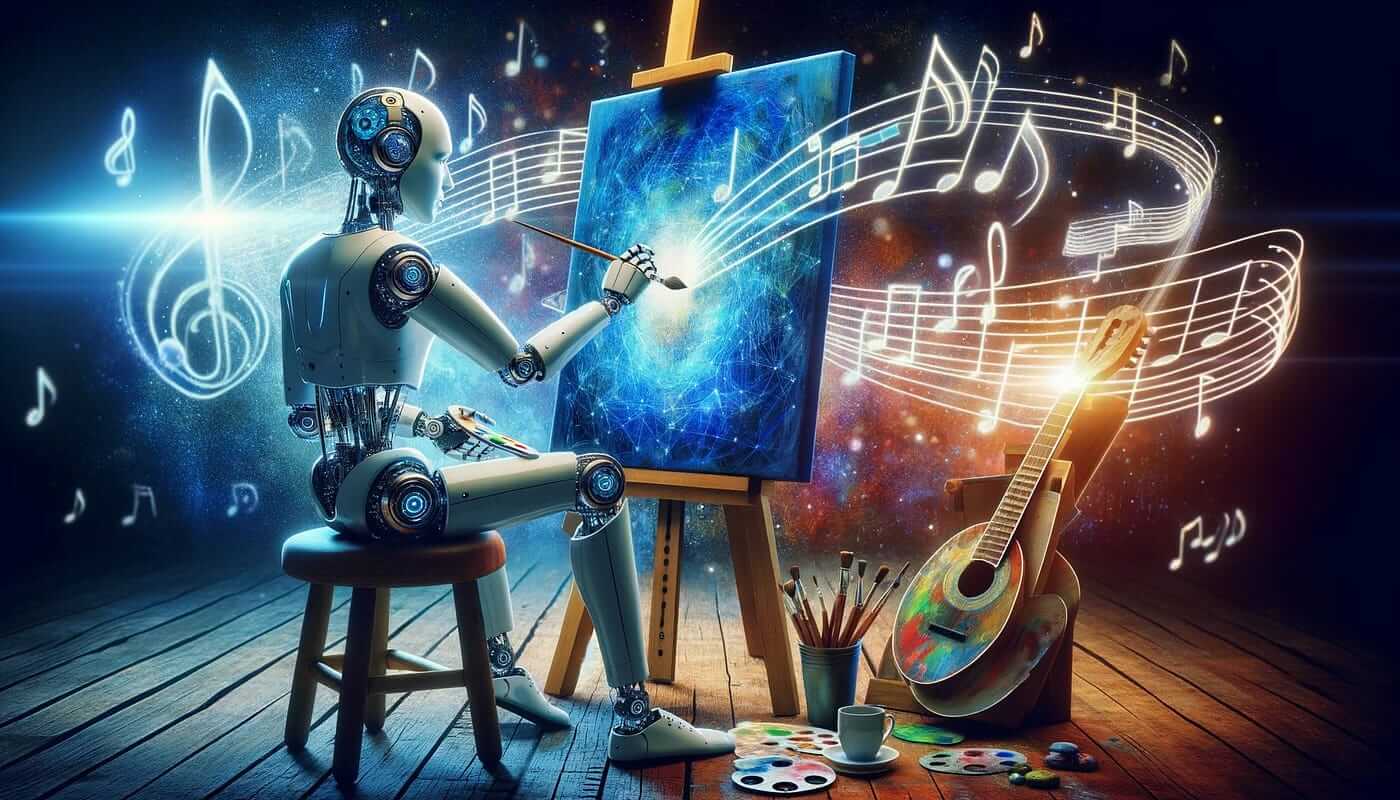
Artificial intelligence has revolutionized numerous sectors, and music creation stands as one of the most transformative applications. AI music generation technology has evolved from experimental algorithms to sophisticated systems capable of producing professional-quality compositions that rival human-created works. This technological advancement is reshaping creative industries, democratizing music production, and opening new possibilities for content creators worldwide.
The Technology Behind AI Music Generation
Modern AI music generators leverage deep learning neural networks trained on vast datasets containing millions of musical compositions across diverse genres. These systems analyze patterns in melody, harmony, rhythm, and instrumentation, learning the fundamental principles that make music appealing to human ears. The technology has progressed significantly from early MIDI-based systems to current platforms generating fully produced tracks with realistic instrument sounds and complex arrangements.
Advanced systems use transformer architectures similar to those powering language models, enabling them to understand musical context, predict appropriate note progressions, and maintain coherent musical themes throughout compositions. The result is AI-generated music that sounds increasingly natural and emotionally resonant, blurring the line between human and machine creativity.
Leading Platforms and Tools
Several platforms have emerged as industry leaders in AI music generation. The AI Song Generator from Yolly.ai provides an intuitive interface where users can specify genre, mood, tempo, and instrumentation to generate custom tracks. This platform excels at creating music for video content, podcasts, and social media applications, making professional-quality music accessible to creators without musical training.
Another notable platform is the AI Song Generator from Luna Music, which specializes in emotionally resonant compositions ideal for storytelling and cinematic applications. These tools typically offer both free tiers for experimentation and premium subscriptions for commercial use, democratizing access to professional music production capabilities.
Applications Across Industries
Content creators on platforms like YouTube, TikTok, and Instagram use AI music generators to create background music that enhances their videos without copyright concerns. The ability to generate custom tracks matching specific moods and pacing has become invaluable for maintaining audience engagement while avoiding licensing complications.
The gaming industry has particularly embraced AI music generation for creating dynamic soundtracks that adapt to gameplay. Indie developers working with limited budgets can now produce professional-quality music that responds to player actions and game states, significantly enhancing immersion without the expense of hiring composers for every project.
Marketing agencies leverage AI-generated music for commercial projects, creating custom jingles and background tracks for advertisements. The rapid iteration capabilities allow for A/B testing different musical approaches, optimizing campaigns for maximum impact while maintaining budget efficiency.
Technical Capabilities and Innovation
Modern AI music generators offer impressive technical capabilities. Most platforms support multiple genres ranging from classical and jazz to electronic and hip-hop. Users can specify tempo ranges, key signatures, and instrumentation preferences to achieve desired results, with some systems offering real-time generation that adapts dynamically to visual content or user interactions.
Advanced features include stem separation, allowing users to isolate and modify individual instrument tracks. Integration with popular digital audio workstations enables seamless workflow incorporation for professional producers, while machine learning models continue improving through reinforcement learning and user feedback.
Quality and Authenticity
While AI-generated music has reached impressive quality levels, discerning listeners can sometimes identify certain characteristics such as repetitive patterns or predictable chord progressions. However, continuous technological improvements are narrowing this gap. For many applications—background music for videos, ambient soundscapes for games, or placeholder tracks during production—perfect authenticity isn’t necessary, and AI-generated music provides functional, professional-sounding audio quickly and affordably.
Cost-Effectiveness and Accessibility
One of the most compelling advantages of AI music generation is cost-effectiveness. Traditional music licensing for commercial use can cost hundreds or thousands of dollars per track with ongoing fees for extended use. AI music generation typically operates on subscription models with unlimited generation, making it dramatically more affordable for businesses producing regular content.
Time savings represent another significant benefit. Searching for appropriate licensed music, negotiating rights, and ensuring compliance takes considerable time. AI music generation produces custom tracks in minutes, allowing teams to work more efficiently and respond quickly to market opportunities.
Creative Collaboration
Rather than replacing human musicians, AI music generation tools are increasingly viewed as collaborative partners. Professional composers use these systems for inspiration, generating backing tracks, or exploring harmonic ideas they might not have considered. The technology serves as a creative catalyst, augmenting human creativity rather than replacing it.
Educational applications are emerging as well, with AI tools helping aspiring musicians learn composition by generating examples and providing feedback. Students can experiment with different musical styles and structures, receiving instant results that help them understand musical principles more intuitively.
Future Developments
The future of AI music generation promises exciting developments. Real-time generation systems creating music responsive to visual content or user interactions are becoming more sophisticated. Integration with other AI technologies will expand possibilities further, with voice synthesis combined with music generation potentially creating complete songs with AI-generated vocals.
Collaborative AI systems working alongside human musicians represent another frontier. Rather than replacing human creativity, these tools could serve as intelligent assistants, suggesting chord progressions, generating variations on themes, or filling in arrangements based on a composer’s initial ideas.
Ethical Considerations
The rise of AI music generation raises important questions about creativity, authorship, and the value of human artistic expression. While some view AI-generated music as a threat to professional musicians, others see it as a tool that expands creative possibilities rather than replacing human artistry.
Copyright and attribution remain complex issues. When AI generates music based on patterns learned from existing compositions, questions arise about ownership and the rights of artists whose work contributed to the training data. The music industry continues grappling with these questions as the technology becomes more prevalent.
Conclusion
AI music generation represents a significant technological achievement with practical applications across multiple industries. As technology continues evolving, it will likely become more sophisticated, accessible, and integrated into creative workflows. The key to successful adoption lies in understanding its strengths and limitations, using it appropriately for different applications, and maintaining appreciation for the unique value of human musical creativity. Whether you’re a content creator, developer, or business professional, AI music generation offers powerful capabilities that are reshaping how we create and consume music in the digital age.

