







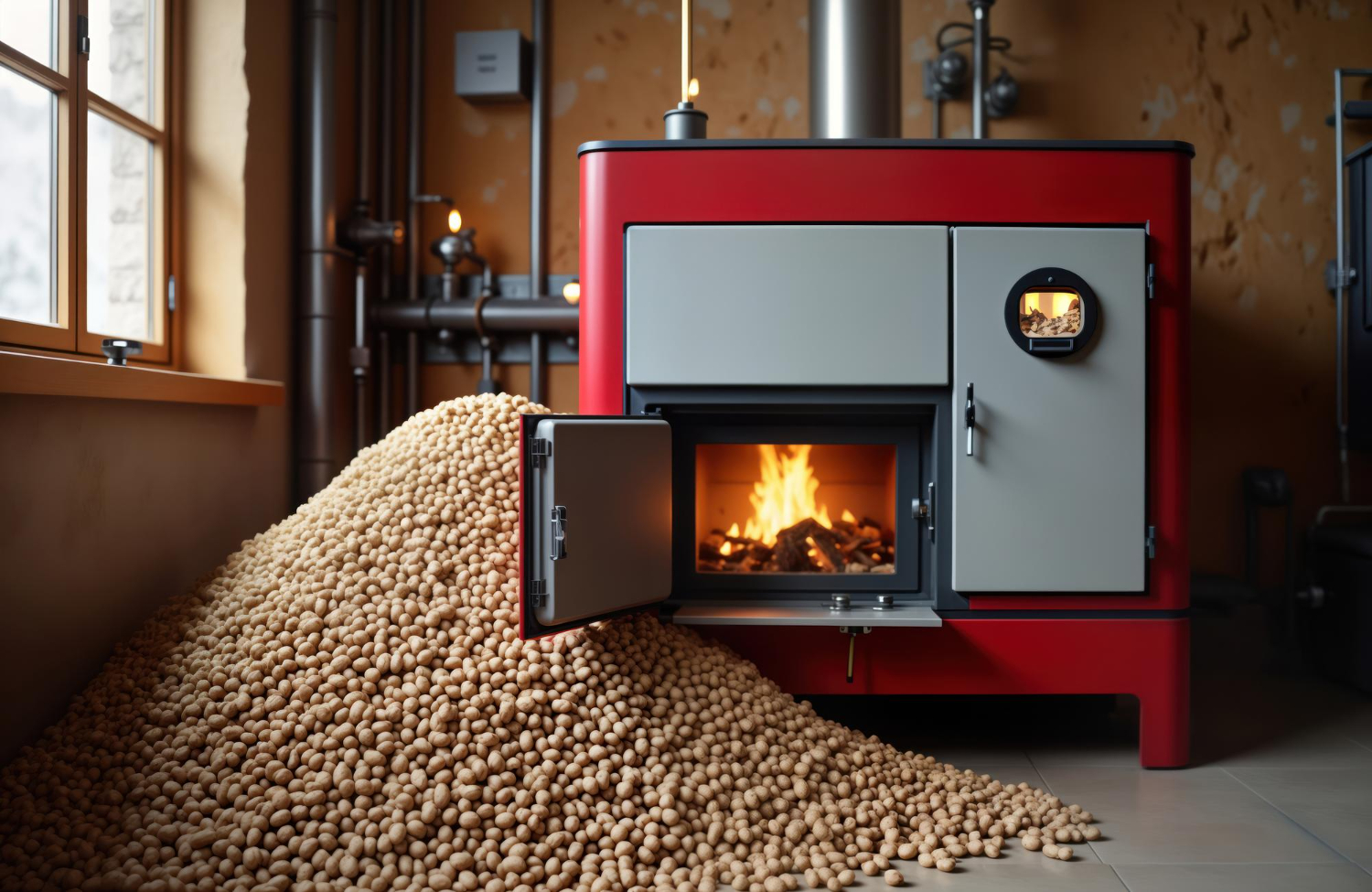
As the world increasingly shifts towards sustainable energy solutions, biomass boilers have emerged as a compelling alternative to traditional fossil fuel heating systems. These innovative heating solutions offer homeowners and businesses an opportunity to reduce their carbon footprint while potentially saving money on energy bills. In this comprehensive guide, we’ll explore everything you need to know about biomass boilers, from how they work to the various fuel options available and the financial considerations involved in making the switch.
What is a Biomass Boiler?
A biomass boiler is a heating system that generates heat by burning organic materials, commonly referred to as biomass. Unlike conventional boilers that rely on gas, oil, or electricity, biomass boilers utilise renewable plant-based materials to produce heat for space heating and hot water. This makes them an environmentally conscious choice for those looking to transition away from fossil fuels.
Biomass heating has actually been around for centuries – our ancestors burned wood for warmth long before modern heating systems existed. However, today’s biomass boilers represent a sophisticated evolution of this ancient practice, incorporating advanced technology to maximise efficiency and minimise emissions.
How Do Biomass Boilers Work?
Understanding the functionality of biomass boilers is essential for anyone considering this heating option. The basic principle is straightforward: organic material is burned in a combustion chamber, and the resulting heat is transferred to water, which is then circulated throughout the building via radiators, underfloor heating systems, or stored in a hot water cylinder.
The Combustion Process
Modern biomass boilers employ highly efficient combustion processes. The fuel is fed into the combustion chamber either manually or automatically, depending on the boiler type. Once ignited, the biomass burns at high temperatures, typically between 800°C and 1000°C. This controlled burning process ensures maximum energy extraction from the fuel while minimising harmful emissions.
Heat Exchange System
The heat generated during combustion is transferred to water through a heat exchanger. This heated water then circulates through the central heating system, providing warmth to the entire property. Advanced biomass boilers can achieve efficiency ratings of 90% or higher, meaning that the vast majority of energy contained in the fuel is successfully converted into usable heat.
Automated Features
Many contemporary biomass boilers come equipped with automatic fuel feeding systems, self-cleaning mechanisms, and sophisticated controls. These features significantly reduce the maintenance burden on users and ensure consistent, reliable heating throughout the year. Some systems can even be controlled remotely via smartphone applications, offering the same level of convenience as conventional modern boilers.
Types of Biomass Boilers
Biomass boilers come in various configurations to suit different needs and circumstances. Understanding these options will help you make an informed decision about which system is right for your property.
Log Boilers
Log boilers are the most basic type of biomass heating system. They require manual loading with logs and are typically suited to properties with ample storage space for fuel and owners who don’t mind the hands-on approach. While they require more user involvement, log boilers often have lower initial costs and are ideal for rural properties where wood is readily available.
Wood Pellet Boilers
Pellet boilers represent the most popular choice for domestic installations. Wood pellets are uniform in size and moisture content, making them ideal for automated feeding systems. These boilers offer convenience comparable to conventional heating systems, with automatic ignition, fuel feeding, and ash removal. Their consistent fuel quality also ensures reliable and efficient operation.
Wood Chip Boilers
Wood chip boilers are typically used in larger commercial or agricultural applications due to their higher output capacity and the bulk storage requirements for wood chips. They offer excellent fuel economy, particularly when wood chips are sourced locally or produced on-site from forestry operations or woodland management activities.
Combined Systems
Some installations utilise hybrid systems that combine biomass boilers with other renewable technologies, such as solar thermal panels. These combined systems can maximise efficiency and provide backup heating options, ensuring reliable warmth even during periods of high demand or when biomass fuel supplies are temporarily limited.
Fuel Sources for Biomass Boilers
One of the greatest advantages of biomass heating is the variety of fuel sources available. Each fuel type has its own characteristics, costs, and practical considerations.
Wood Pellets
Wood pellets are manufactured from compressed sawdust and wood shavings, typically sourced as by-products from timber processing industries. They have a low moisture content (usually below 10%) and high energy density, making them efficient and clean-burning. Pellets are sold in bags or delivered in bulk and can be stored in purpose-built hoppers that automatically feed the boiler.
Wood Chips
Wood chips are produced by chipping whole trees, branches, or waste wood. They have a higher moisture content than pellets and require more storage space per unit of energy. However, they’re often significantly cheaper and are an excellent choice for properties with access to local forestry resources or those requiring larger-scale heating solutions.
Logs
Seasoned logs remain a popular choice for smaller installations and properties with access to woodland. Logs should be dried to a moisture content of 20% or less for efficient burning. While they require manual loading, many homeowners appreciate the connection to traditional heating methods and the satisfaction of sourcing their own fuel.
Agricultural Biomass
Some biomass boilers can utilise agricultural by-products such as straw, miscanthus, or energy crops. These fuels are particularly relevant for farms and rural businesses that can produce their own biomass as part of their agricultural operations.
Cost Considerations
Investing in a biomass boiler involves several cost factors that potential buyers should carefully consider. Understanding these costs will help you develop a realistic budget and assess the long-term financial viability of biomass heating for your situation.
Initial Installation Costs
The upfront cost of a biomass boiler system typically ranges from £10,000 to £25,000 for domestic installations, depending on the boiler size, type, and complexity of installation. Commercial systems can cost significantly more. This investment includes the boiler itself, flue system, fuel storage facilities, and installation labour.
Additional costs may include building work to accommodate the boiler and fuel store, upgrades to existing heating distribution systems, and planning permission applications where required.
Fuel Costs
Biomass fuel costs vary depending on the type of fuel, local availability, and market conditions. Wood pellets typically cost between £200 and £300 per tonne, while wood chips are generally cheaper. Log prices vary widely based on local supply and whether you’re purchasing processed logs or sourcing raw timber.
When comparing fuel costs with traditional heating fuels, biomass often proves competitive, particularly against oil and electricity. However, the relationship between biomass and gas prices has been more variable, and potential savings depend heavily on local fuel availability and prices.
Maintenance and Running Costs
Biomass boilers require regular maintenance to ensure optimal performance and longevity. Annual servicing typically costs between £150 and £300. Additional ongoing costs include ash disposal and occasional replacement of wear parts such as ignition elements.
Unlike gas boilers, biomass systems produce ash that must be removed and disposed of. However, this ash can often be composted or used as a soil conditioner, turning a potential inconvenience into a useful by-product.
Grants and Incentives
Various financial incentives exist to support the adoption of biomass heating. The UK government has offered schemes to offset installation costs and provide ongoing payments for renewable heat generation. While specific schemes change over time, it’s worth researching current incentives, as they can significantly improve the financial case for biomass heating.
Return on Investment
For many installations, biomass boilers can offer attractive returns on investment over their operational lifetime, which typically spans 20 years or more. The payback period depends on the specific circumstances, including the fuel being replaced, local biomass fuel costs, and any incentive payments received.
Environmental Benefits
Beyond the financial considerations, biomass boilers offer compelling environmental benefits. Biomass is considered carbon-neutral because the carbon dioxide released during combustion is equivalent to the amount absorbed by the plants during their growth. This closed carbon cycle contrasts sharply with fossil fuels, which release carbon that has been locked underground for millions of years.
Additionally, using biomass fuels supports local woodland management and agricultural diversification, contributing to rural economies and biodiversity.
Is a Biomass Boiler Right for You?
Biomass boilers are particularly well-suited to properties that are off the gas grid, have adequate space for fuel storage, and where owners are committed to engaging with a more hands-on heating system. They’re also ideal for those with access to affordable local fuel supplies or who wish to make a meaningful reduction in their carbon footprint.
Ready to Make the Switch to Biomass Heating?
If you’re considering a biomass boiler for your home or business, expert guidance is essential to ensure you choose the right system and achieve optimal results. Proadvance, based in Reading, Berkshire, offers professional advice about installation and services for biomass heating systems.
Their experienced team can assess your property, recommend the most suitable biomass boiler for your needs, and handle the entire installation process with professionalism and care. Whether you’re looking to reduce your energy bills, lower your carbon footprint, or simply explore your options, Proadvance is ready to help.
Don’t wait to start your journey towards sustainable heating. Visit https://proadvance.co.uk/ today to learn more about their services and schedule your consultation. Take the first step towards a greener, more cost-effective heating solution with the trusted experts at Proadvance.

