





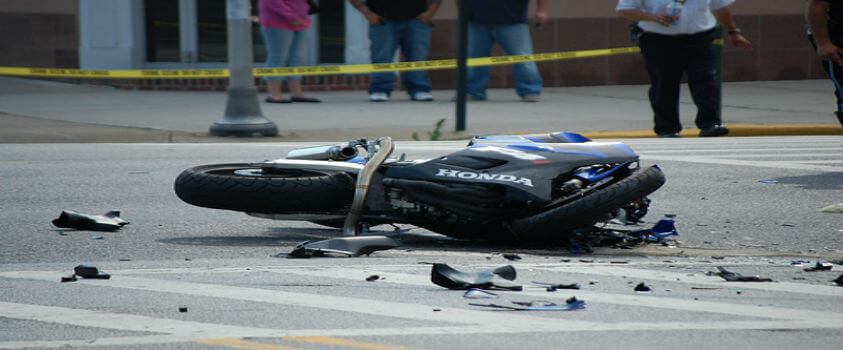
There’s a moment after a motorcycle crash where everything feels loud and blurry at the same time. Sirens. Shaky hands. Someone saying, “Are you okay?” even though it’s obvious you’re not. And then, weirdly fast, the world starts pushing you toward decisions. Statements. Forms. Calls. A tow. A ride. A “quick check” that turns into hours.
Here’s the thing. Those early choices can echo for months. Sometimes years. Not because anyone did something wrong on purpose, but because the system is built to reward the cleanest story, the clearest timeline, the best paper trail. And right after a crash, almost nobody is in a headspace to build a story.
So let’s make it simpler. Like a friend talking it through. No fluff.
The first few hours: treat it like it’s a scene, not a memory
Motorcycle collisions aren’t just “car accidents but with a bike.” The injuries behave differently. Road rash is obvious, but deeper damage can hide. Hands and wrists take hits. Knees twist. Necks snap forward. Adrenaline makes people swear they’re fine. Then the next morning, it feels like a different body showed up.
If the crash just happened, a few moves help later, even if later is the last thing on anyone’s mind.
- Get checked out even if the pride says no. A medical record created the same day is hard to argue with. A “waited two weeks” gap is easy for insurers to poke at.
- Photograph more than the bike. Boots, helmet damage, torn clothing, skid marks, debris, the intersection view from a rider’s height. Small details are weirdly powerful.
- Don’t guess while talking. If something is unclear, it’s okay to say it’s unclear. People get trapped by offhand guesses that turn into “statements.”
And yes, the police report matters. But it’s not a perfect document handed down from the sky. It can contain mistakes. It can miss key witness info. It can oversimplify. Treat it like one piece of the puzzle, not the whole picture.
Bias is real, and it shows up in quiet ways
A rider can be doing everything right, and still get painted like a thrill-seeker. Sometimes it’s subtle: “Motorcycle was traveling at a high rate of speed” when nobody actually clocked it. Sometimes it’s the classic assumption that the rider “came out of nowhere.”
This is why it helps to get a grip on the common crash patterns that hit riders in Michigan.
- Left-turn failures. A driver turns across a rider’s path like the motorcycle is invisible.
- Lane changes into the rider’s space. Blind spots, distraction, or just impatience.
- Rear-end impacts at stops. Bikes get crushed because drivers underestimate stopping distance or look at their phone.
- Dooring and curb hazards in dense areas. Especially around Detroit streets with tight parking and uneven pavement.
A fair claim often depends on flipping the narrative from “rider risk” to “driver negligence plus rider vulnerability.” Motorcycles offer less physical protection. That’s not drama. That’s physics.
This is also where it can help to understand how a case typically gets built, what evidence matters, and how Michigan’s rules play into it. One useful overview is found here: Michigan motorcycle accident lawyer.
Michigan-specific stuff that surprises people
Michigan’s system confuses a lot of smart people because it doesn’t always match what folks hear from friends in other states. There are insurance layers, benefit rules, and thresholds that can shape what’s even available.
A few practical points that often come up in motorcycle crashes:
- Coverage issues can get complicated quickly. If a motorcycle and an automobile are involved, different insurance rules may apply than a bike-only crash.
- Medical and wage-related benefits often trigger paperwork battles. Not because the injuries aren’t real, but because insurers look for reasons to limit what they pay.
- Fault still matters for certain types of compensation. Even in systems that provide some no-fault style benefits, proving negligence can still be central to recovering full damages.
And then there’s the everyday problem: life doesn’t pause. People still have rent. Jobs. Kids. Therapy appointments. The cost of “just getting back to normal” can be brutal.
Building a clean timeline without making it weird
A strong motorcycle crash claim usually looks boring on paper. That’s not an insult. It’s a compliment. Boring means consistent.
A simple method:
- Write down the crash story once, in private, while it’s fresh. Time, weather, traffic, what was seen, what was heard, what was felt.
- List symptoms day by day for two weeks. Headaches. Sleep problems. Hand tingling. Shoulder pain. Stuff that sounds minor but matters.
- Track every expense. Co-pays, prescriptions, rideshares, braces, bike storage fees, missed work hours, replacement gear.
People hate doing this. It feels petty. But it keeps the claim from turning into an argument about whether the injury “really affected” anything.
And speaking of gear, there’s an underrated angle that comes up in motorcycle cases: protective equipment. Not as a moral lecture, but as proof of how serious the impact was. Helmet scuffs, jacket tears, glove shredding. Those details can demonstrate force.
If anyone’s curious about how protective clothing is evaluated in practical terms, this quick guide on choosing a leather motorcycle jacket that actually protects you is a surprisingly decent reference point.
The settlement conversation people avoid until it’s too late
Most riders don’t want a lawsuit fantasy. They want their bills paid and their life back. Fair. The problem is that “fair” depends on what gets included.
A claim can involve more than the ER visit.
- Ongoing physical therapy
- Future surgeries or injections
- Reduced work capacity
- Pain that changes daily routines
- Emotional effects like anxiety around traffic
- Scarring or disfigurement
- Damage to the bike and gear
The trick is that insurers often try to settle before the full picture is visible. Quick money can look like relief. Then the next scan hits. Or the shoulder still doesn’t lift. Or the wrist won’t grip. And suddenly that early settlement feels like a trap.
So the smart approach is patience paired with documentation. Not panic. Not silence. Not over-sharing.
What to say, what not to say, and why that matters
People get nervous about “saying the wrong thing.” It’s not about being robotic. It’s about avoiding easy misinterpretations.
- Saying “I’m okay” can get repeated later as “no injury.”
- Saying “I didn’t see them” can morph into “rider wasn’t paying attention,” even if it was a sudden event.
- Posting “feeling blessed” on social media can get twisted into “not really hurt.”
Does that feel unfair? Yup. But it happens.
A safer pattern is simple: be honest, be measured, and keep crash details for the official channels.
When the crash becomes a long story, not a single event
Here’s the part nobody loves to admit. A motorcycle crash can become a lifestyle shift. Not always. But sometimes.
Maybe it’s months of PT. Maybe it’s a new fear around intersections. Maybe it’s losing a season of riding, which sounds small until it’s not. Riders often build their weeks around the bike. When that gets taken away, it’s not just transportation. It’s identity. Community. Stress relief.
So if recovery feels messy, that’s normal. If some days are fine and others are not, also normal. Healing isn’t a straight line. It’s more like a weird scribble.
And if the legal side feels confusing, that’s not a personal failure. It’s a complicated system with financial incentives baked in.
The goal is simple: protect the health, protect the timeline, protect the options. Everything else can be sorted out one step at a time.

