





Behind the walls, within floors, and under floors, there are many different plumbing elements that work tirelessly every day. They carry water where it is needed, and they carry water away from homes, all without much fanfare.
As these elements are not easily visible, small problems, like a small leak or a clogged drain, may not be addressed right away. However, small leaks and drain clogs can eventually contribute to many different problems, including increased energy and water bills, appliance failure, and weakening of different elements of a home.
Unlike major problems, small leaks and drain clogs do not happen overnight. They develop over a long period of time, making it easy to overlook the significant role that small leaks and drain clogs play in affecting home efficiency.
The Hidden Impact of Minor Leaks
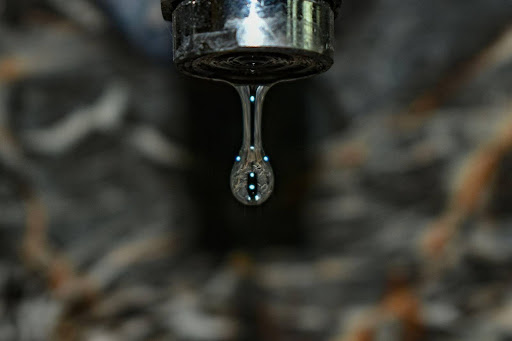
According to the United States Environmental Protection Agency, “If a faucet drips at a rate of one drip per second, that’s equivalent to 3,000 gallons of water wasted every year.” Not only does a small leak cause a loss of water, but it may also cause a loss of money.
If water is leaking, there is a good possibility that it is hot water. As hot water leaks, it causes a water heater to work harder to keep up with the demand for hot water. As a result, there is a significant energy cost associated with small leaks.
The best way to prevent small leaks from wasting water and energy is to seek professional assistance, like Koala Plumbing, which states, “Don’t wait until you’re faced with a costly repair. Replace a simple washer, gasket, or valve at the first signs of trouble.”
Drain Blockages and Flow Efficiency
Partial blockage in the drain can impair the efficiency of water removal. Kitchen drains are prone to blockage due to grease and food particles stuck to the walls of the drain pipes. Bathroom drains are also likely to get clogged due to hair and soap scum.
The water flowing through the drain may produce gurgling sounds due to the struggle to get past the blockage. The water may also accumulate in the sink and drain slowly.
The slower water removal process requires the plumbing system to work harder to drain water. This can cause appliances like washing machines and dishwashers to take longer to drain water. The problem can eventually become a complete blockage, which requires a lot of effort to clear.
Pressure Imbalances and Appliance Use
Leaks and partial blockages can create pressure imbalances in home water systems. Pressure imbalances affect everything from showers to faucets to home appliances. The home water heater, washing machine, and dishwasher all require consistent water pressure to run efficiently.
If water pressure drops because of pipe narrowing or small leaks, home appliances may take longer to run. These appliances may run outside their optimal performance range. Over time, pressure imbalances may increase wear on valves and seals.
Occasionally, pressure imbalances may create “water hammer” effects, in which pipes vibrate or bang because of sudden changes in water flow.
Energy Consumption and Water Heater Efficiency

Photo by Clay Banks on Unsplash
Water and energy usage go hand in hand. Leaks in home water systems can increase water heater usage. Water heater usage occurs when water heater elements reheat cold water instead of warm water. Drainage system inefficiencies can increase appliance usage, as appliances take longer to run.
In colder climates, water heater usage may be more intense. By solving small plumbing problems, homeowners can increase water heater efficiency. Over time, solving small home plumbing problems can decrease household energy consumption.
Seasonal Stress on Minor Plumbing Problems
Environmental changes can increase stress on small home plumbing problems. Colder weather can contract home pipes, potentially increasing small pipe leaks. Soils can shift during warm weather, increasing stress on home plumbing.
This is especially true for minor drainage obstructions, especially if the obstructions occur in an outside or near-foundation drainage system. For example, if the drain is already somewhat clogged and is currently functioning well, it might not be able to handle the increased water pressure during a rainstorm.
The Importance of Early Detection
One of the most powerful maintenance tools is awareness. For example, if the water bill is suddenly higher than usual, if there is evidence of faint water stains, if the inside of the cabinets is damp, or if the drains seem to be running slowly, there is likely an underlying problem.
It is always beneficial to visually inspect the pipes under sinks, near appliances, and near exposed pipes. If there is evidence of problems, it is likely that there is an underlying cause for these problems, and it is likely that the cause can be identified and addressed.
Efficiency Through Preventive Care
Industry recommendations always stress the importance of addressing plumbing irregularities early on as a means of ensuring maximum longevity. For example, it is often assumed that minor issues such as leaks and clogs do not really impact the entire household, and that these issues will likely be minor problems forever. However, this is not the case, and these issues can actually impact the longevity and efficiency of the entire household.
For example, if there is evidence of leaks and clogs, it is likely that there is waste and inefficiency, and it is likely that there is an impact on the longevity and efficiency of the household.

