





Consumer demand for sustainability is rising in the UK. Businesses must prove their environmental impact is positive to retain customers. Many companies use brown paper and green icons to appear responsible. This creates a problem for buyers. Does the packaging actually help the environment? True sustainability involves the entire material lifecycle. It requires analysis from the forest floor to the recycling facility. We must distinguish between packaging that looks green and packaging that actually is green.
The Aesthetic Trap: What Sustainability Doesn’t Look Like
Some packaging mimics environmental responsibility but causes harm. Greenwashing relies on surface aesthetics. It does not use verified data.
1. The “Biodegradable” Plastic Mirage
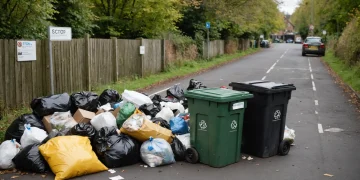
The “biodegradable” plastic bag is a common myth. Consumers believe these materials vanish safely. The reality is different. Labelled plastics often break down into microplastics. They do not return to nature. These fragments contaminate recycling streams. Uncertified materials persist in landfills like standard plastic.
2. The “Natural” Aesthetic
Brown paper does not always indicate a package is eco-friendly. Rustic boxes often use plastic laminate for water resistance. This layer prevents recycling. Sustainability prioritizes function over appearance. A design fails if consumers must peel film from cardboard.
3. Oversized “Green” Packaging
Shipping a small item in a large box is inefficient. This practice is known as “shipping air.” It requires more delivery vehicles to transport the same amount of goods. This increases carbon emissions. Recyclable materials do not cancel out the fuel waste generated by inefficient volume. Genuine sustainability requires transport efficiency.
The Anatomy of Genuine Sustainable Packaging
True eco-friendly packaging meets specific technical standards. It focuses on sourcing, design, and manufacturing.
1. Responsibly Sourced Materials
Material origin is the first step. New fibre must support forest growth. Effective packaging mixes recycled content with responsibly sourced FSC-certified materials. FSC certification is a chain of custody. It tracks wood pulp from forest to box. This standard prevents illegal logging.
2. Design for the Circular Economy
Genuine sustainable packaging fits the circular economy model. It focuses on end-of-life recoverability.
- Mono-materiality: A box made of a single material is easy to recycle. Tape and void fill should match the box material.
- Easy Separation: Mixed materials must separate easily. Consumers should be able to remove plastic windows from cake boxes without tools.
3. Right-Sizing and Efficiency
Genuine eco-packaging fits the product snugly. Bespoke corrugated solutions eliminate the need for excessive void fill. Modern manufacturers use “intelligent design.” They engineer strength into the box structure rather than relying on thick walls. This reduces the material weight. Lighter boxes use less fuel during transport. This lowers Scope 3 emissions for the retailer.
4. Carbon-Conscious Manufacturing
Energy usage is invisible to the consumer. It determines the total emissions. UK manufacturers are shifting to renewable energy. Facilities use solar power or anaerobic digestion. This lowers the carbon footprint before delivery. Buyers must verify energy sources.
The Future is Transparency
Blind trust in labelling is ending. The UK government enforces strict guidelines through the Green Claims Code. Businesses cannot use vague terms like “eco-friendly.” Proof is mandatory.
Consumers must look for specific data.
- Check the percentage of recycled content.
- Read the recycling instructions.
- Verify certification labels.
Businesses must prioritize transparency. Using certified materials and renewable energy is necessary. Sustainable packaging protects the product. It enters the recycling stream easily. Success relies on data.

